Title: Addressing the Importance of Respectful Parking in Disabled Spaces
Recent experiences highlight ongoing concerns about the respectful use of designated disabled parking spots. A situation involving proper parking etiquette underscores the importance of awareness and consideration for individuals with disabilities.
A scenario unfolded when a couple visited a local pub. Upon arriving, they noticed a high-end sports car occupying a disabled parking space without a visible disability permit. The woman in the vehicle has multiple sclerosis (MS), making accessible parking essential for her mobility and comfort. Recognizing the importance of proper use of designated spots, the individual approached the driver of the sports car to address the issue.
This intervention led to an unexpected and tense confrontation, with others becoming involved. While it’s understandable to feel protective of accessible spaces, the incident raises questions about the broader social responsibility regarding parking etiquette.
Understanding the Impact of Improper Parking
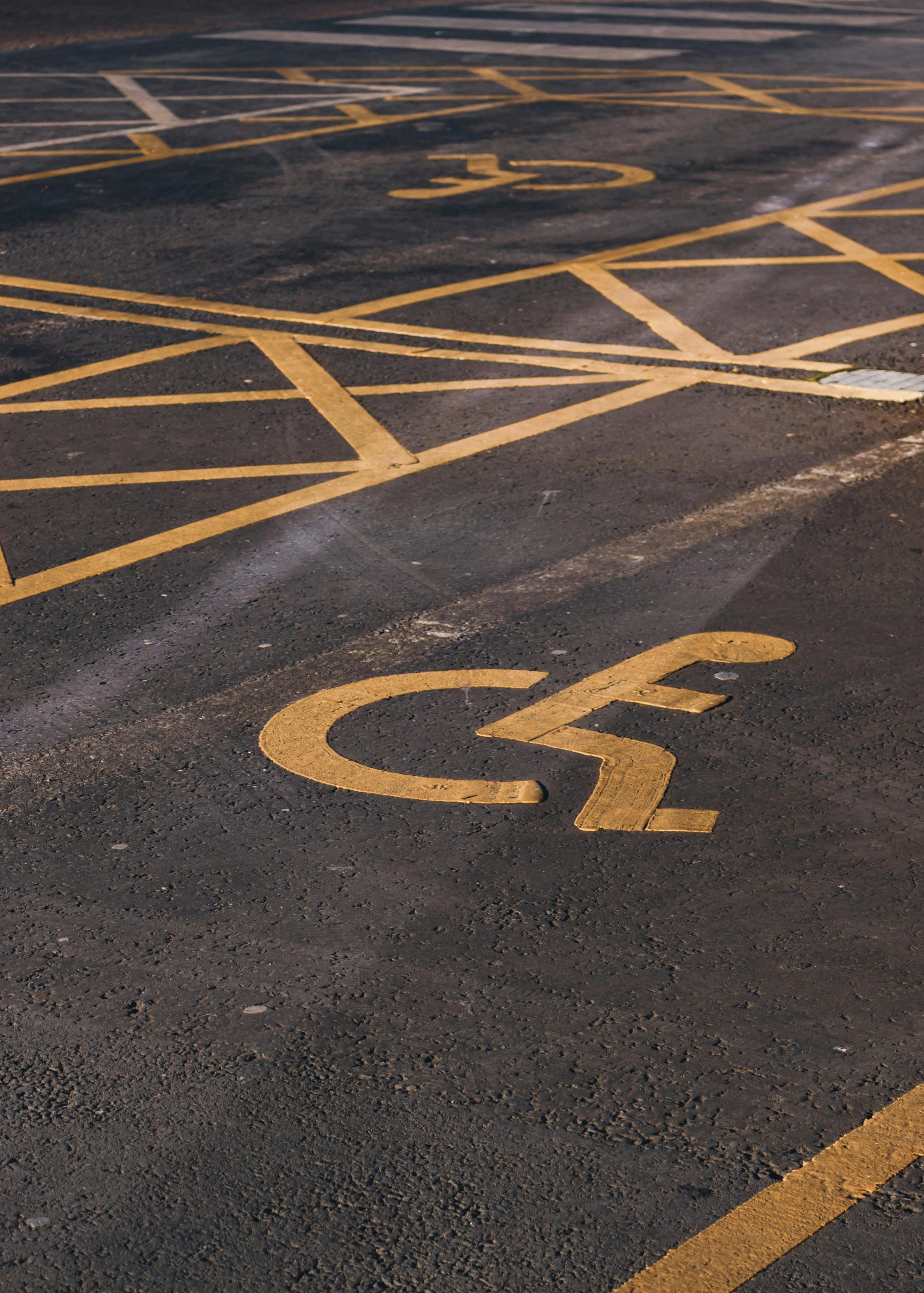
Disabled parking spots are reserved for individuals with mobility challenges to ensure they have convenient access to venues. Misuse of these spaces by unpermitted vehicles not only contravenes legal requirements but also undermines the needs of those relying on accessible parking.
Promoting Awareness and Respect
Community members can play a vital role in promoting respectful parking behaviors. If you observe a disabled parking space being used improperly, consider addressing the issue calmly and respectfully. Such actions help foster an environment of understanding and support.
Legal and Ethical Considerations
In many regions, parking in marked disabled spots without appropriate authorization is illegal and subject to fines or penalties. Beyond legal ramifications, ethical considerations emphasize the importance of empathy and fairness in parking practices.
Conclusion
Parking in designated disabled spots should always be reserved for those with the appropriate permits. Respectful awareness and considerate actions ensure that these vital spaces serve their intended purpose, helping create a more inclusive and equitable community for everyone.