The Evolving Landscape of Civil Liberties in Australia: A Deep Dive into Recent Developments
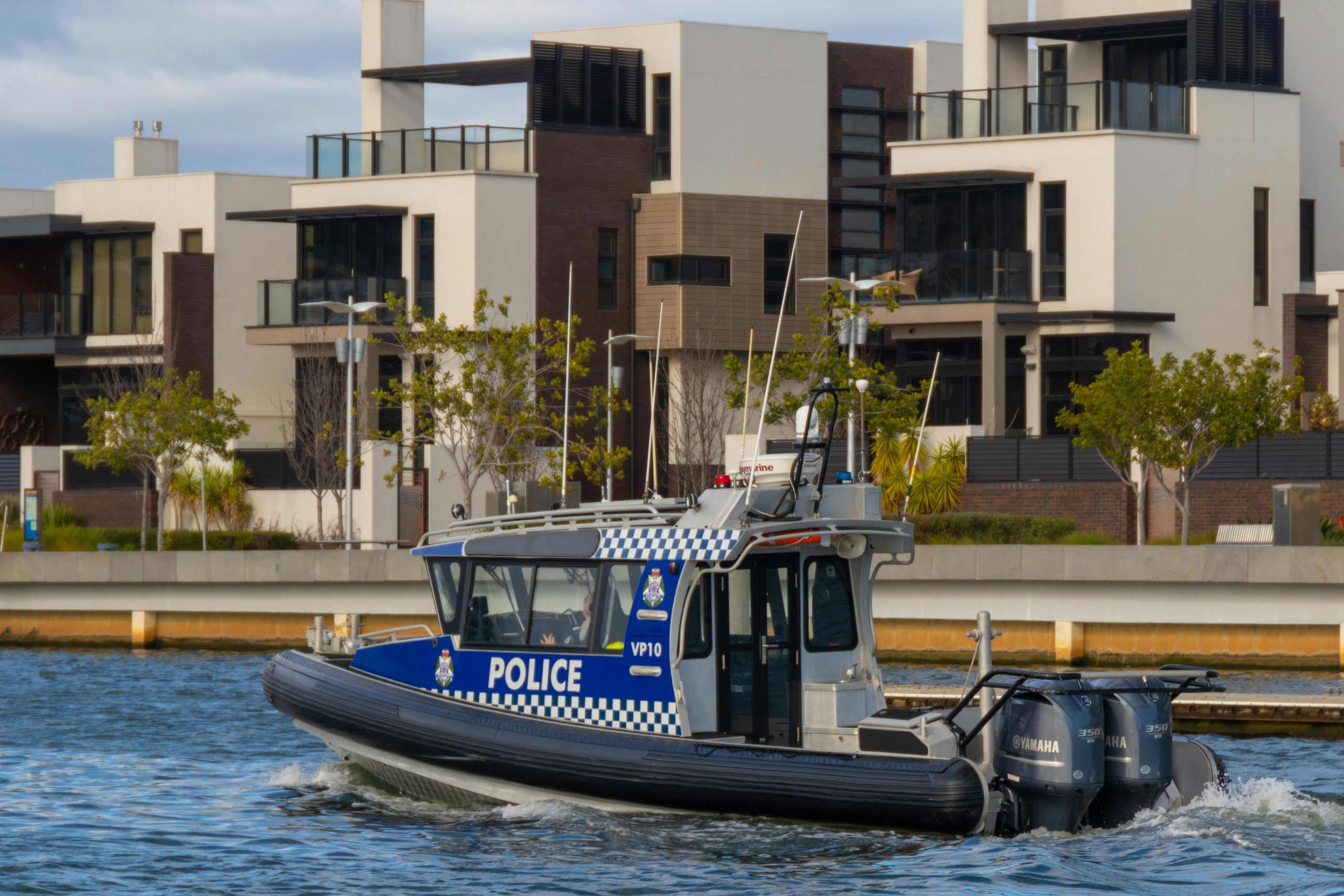
In recent years, Australia has experienced a series of significant policy changes and governmental actions that raise questions about the state of civil liberties and personal freedoms within the country. From increased surveillance to restrictions on public assembly, the trajectory of these measures suggests an increasingly authoritative approach to governance. This article explores some of the key issues, trends, and public perceptions surrounding this complex situation.
Warrantless Searches and Personal Privacy
One concerning trend involves law enforcement agencies conducting warrantless searches, including strip searches of minors and adults alike. Reports indicate that police have performed searches on individuals without prior warrants, raising questions about the balance between security and individual rights. Such practices, especially when involving young people, provoke apprehension about the potential for abuse and the erosion of privacy protections.
Suppression of Dissent and Media Freedom
Another area of concern pertains to the silencing of whistleblowers and journalists who seek to expose government misconduct or shed light on sensitive issues. Legal challenges and increased scrutiny of media outlets have created an environment where transparency may be compromised, and free expression can be at risk of chilling effects. Restrictions on protesting and assembly—whether through de facto bans or new legislation—further threaten fundamental democratic rights to peaceful dissent and civic engagement.
Surveillance and Data Control
Australia has seen a notable expansion of surveillance infrastructure, including widespread deployment of CCTV cameras and facial recognition technologies designed for citizen tracking. These initiatives aim to enhance security, but they also pose significant questions about mass data collection, privacy rights, and the potential for misuse. Efforts to weaken encryption standards and remove digital protections further escalate concerns over individual control of personal information.
Asset Transfers and Foreign Influence
Decisions such as the sale of publicly owned land and assets to foreign entities—including notable deals like the lease of Darwin Port to China—highlight broader issues of national sovereignty and economic dependency. These transactions may have lasting implications for security, sovereignty, and the balance of power, especially amid global geopolitical tensions.
Public Perception and Civic Response
Despite the gravity of these developments, public debate remains relatively muted in mainstream discourse. While some citizens express concern over the direction of government policies, there appears to be a prevailing acceptance—whether due to misinformation, lack of awareness, or cultural attitudes—that tolerates, or even supports, certain infringements on personal freedoms. This passivity raises important questions about civic engagement and the role of citizens in safeguarding democratic principles.
International Context and Growing Trends
Globally, many democracies are experiencing similar shifts toward increased state control and restricted civil liberties. Reports of social credit systems inspired by China’s model, border security measures involving digital device seizures, and restrictions on public gatherings are indicative of a broader tendency toward authoritarian practices. Such developments warrant careful scrutiny, especially considering their potential to undermine democratic norms.
A Shift in Democratic Ratings
Recent assessments of Australia’s democratic health have reflected these concerns, with the country’s democracy rating downgraded from ‘Open’ to ‘Narrowed.’ This change underscores the rising trend of restricted civil liberties and the need for ongoing vigilance to protect democratic institutions and individual rights.
Conclusion
The evolving policies and practices in Australia highlight a critical juncture in the country’s constitutional and civil liberties landscape. While national security and public safety are legitimate concerns, they must be balanced against fundamental rights to privacy, free expression, and assembly. As citizens and observers, it is vital to remain informed and engaged to ensure that democratic principles are upheld amidst the changing tide.
For those interested in exploring these issues further, numerous articles and reports are available examining specific concerns such as surveillance expansion, restrictions on public protests, and the impact of foreign influence. Staying informed is essential in fostering a civic environment where rights are protected and accountable governance is maintained.