Title: Has the COVID-19 Pandemic Altered Society’s Approachability?
The COVID-19 pandemic has profoundly impacted many facets of daily life, prompting reflection on how societal interactions have evolved in its wake. One emerging observation concerns the perceived shift in approachability among individuals in public spaces.
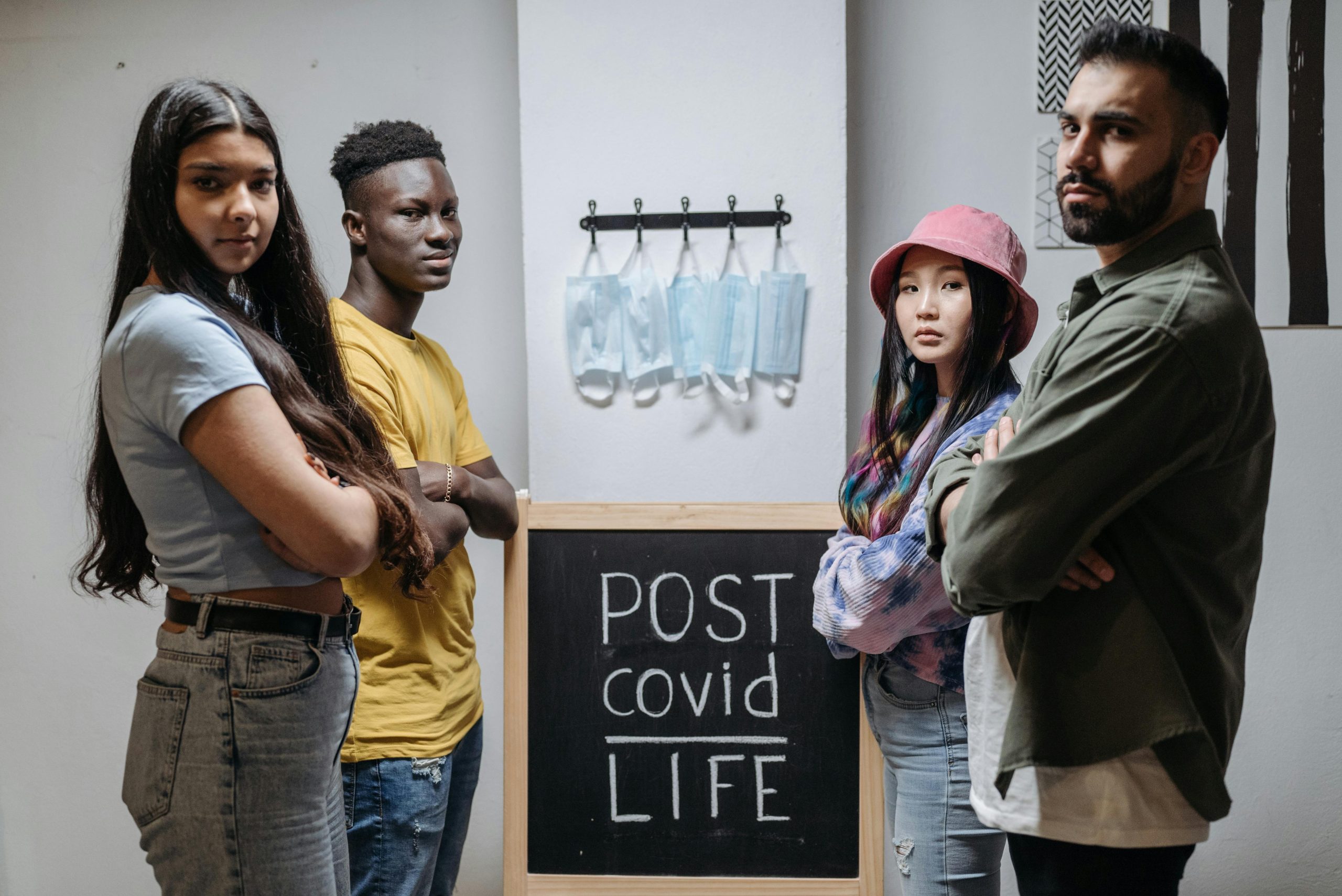
Many individuals have noted that, post-pandemic, people seem less receptive and less inclined to engage in friendly interactions. Common gestures of politeness, such as smiling and expressing gratitude, often appear to go unnoticed or unreciprocated. This phenomenon may be linked to the collective fatigue and emotional toll caused by prolonged health and safety measures, which have redefined social norms.
This change manifests in everyday environments—including grocery stores, cafés, retail shops, and other communal settings—where the warmth and openness previously commonplace seem diminished. Interactions often feel more detached or ‘deadpan,’ leading some to question whether their own perceptions are influenced by memory or if society has indeed become more reserved.
Understanding these shifts requires empathy and acknowledgment of the broader context. The collective experience of the pandemic has undoubtedly left many individuals navigating new emotional landscapes, which can impact their social behavior and responsiveness.
As society continues to adapt, it is valuable to observe how communal interactions evolve and what this might mean for community connectedness moving forward. Recognizing these trends can foster greater understanding and patience as we rebuild and redefine social engagement in a post-pandemic world.