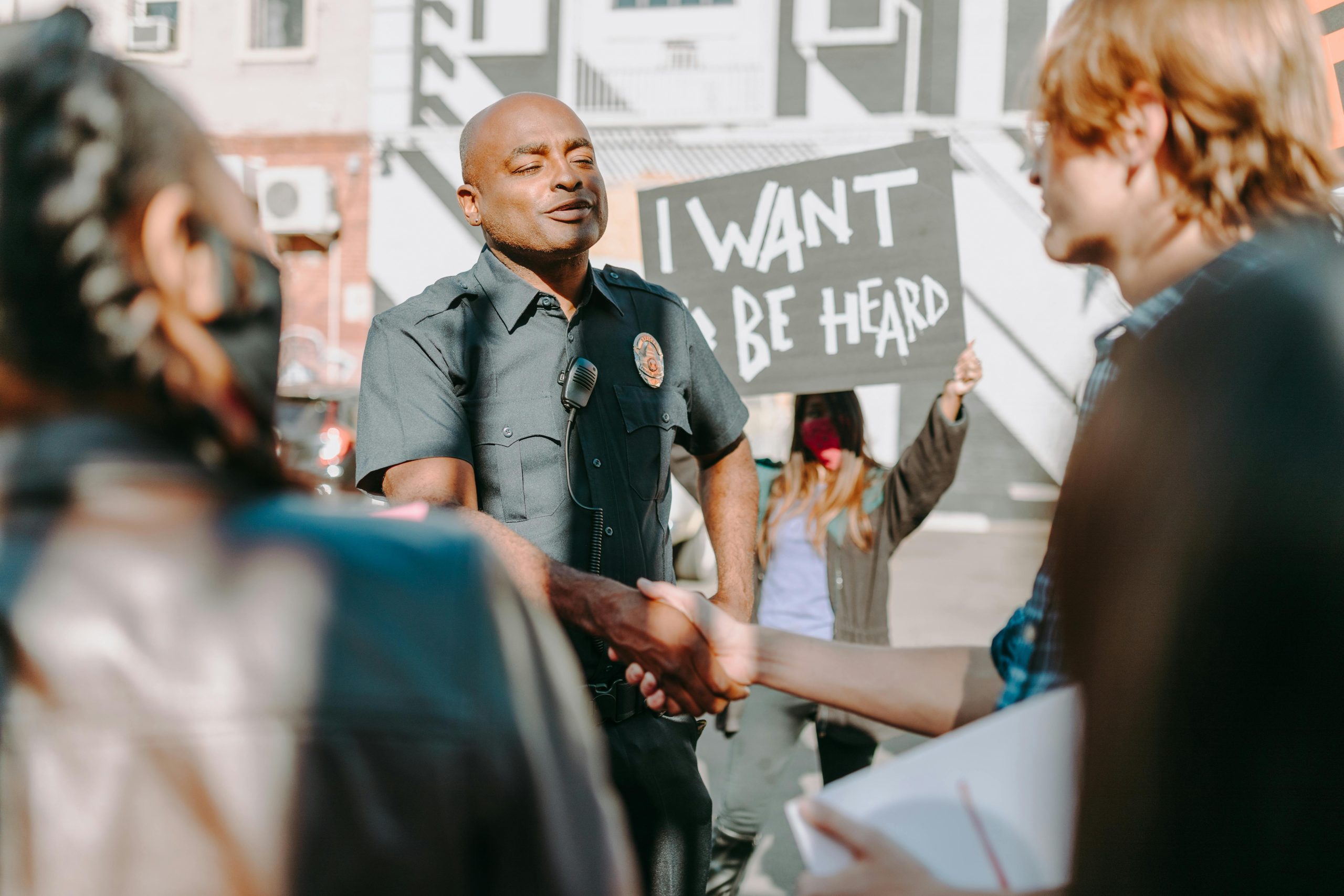
Understanding the Purpose of Protests: Disruption as a Fundamental Element
Protests are a vital form of civic expression designed to bring attention to social, political, and environmental issues. Unlike quiet letter-writing campaigns or private conversations, effective protests often involve noise, disruption, and inconvenience. This intentional disturbance aims to challenge complacency, rally public awareness, and motivate action.
It is common for individuals to feel frustrated when protests interrupt their daily routines. However, this discomfort is often a sign that the protest is achieving its purpose—drawing attention to critical issues that may otherwise be overlooked. The fundamental goal of protests is to create a space for dialogue and change, which sometimes requires temporarily disrupting normal activities.
Many issues addressed by protests are interconnected with global concerns or personal ties, such as friends and family living abroad. Supporting causes that extend beyond national borders is a moral responsibility, especially when these issues involve human rights, justice, and equity. Historically, progress on many social issues—such as women’s suffrage—has been achieved through acts of civil disobedience and disruptive protest strategies.
It is also worth noting that those who feel most inconvenienced by protests are often the ones most directly affected by the issues being highlighted. Unless individuals are facing physical harm or serious threats, tolerance for peaceful disruption demonstrates maturity and understanding. Remember, change often requires challenging the status quo and accepting short-term disruptions for long-term benefits.
Ultimately, protests serve as a reminder that societal progress does not happen in silence. They are an essential mechanism for holding power accountable and advocating for justice, even if that means temporarily upsetting the comfort of those who prefer to remain uninvolved.