Community Tensions Rise Following Bondi Beach Shooting: Muslim Leaders Highlight Decade-Long Concerns Over Radical Preacher
In the aftermath of the recent attack at Bondi Beach, Sydney’s Muslim community faces increased scrutiny and heightened security measures. Islamic leaders have come forward to reveal that they have been raising concerns about a radical preacher connected to one of the gunmen for over ten years, emphasizing the longstanding tensions and the complexities surrounding community-police relations.
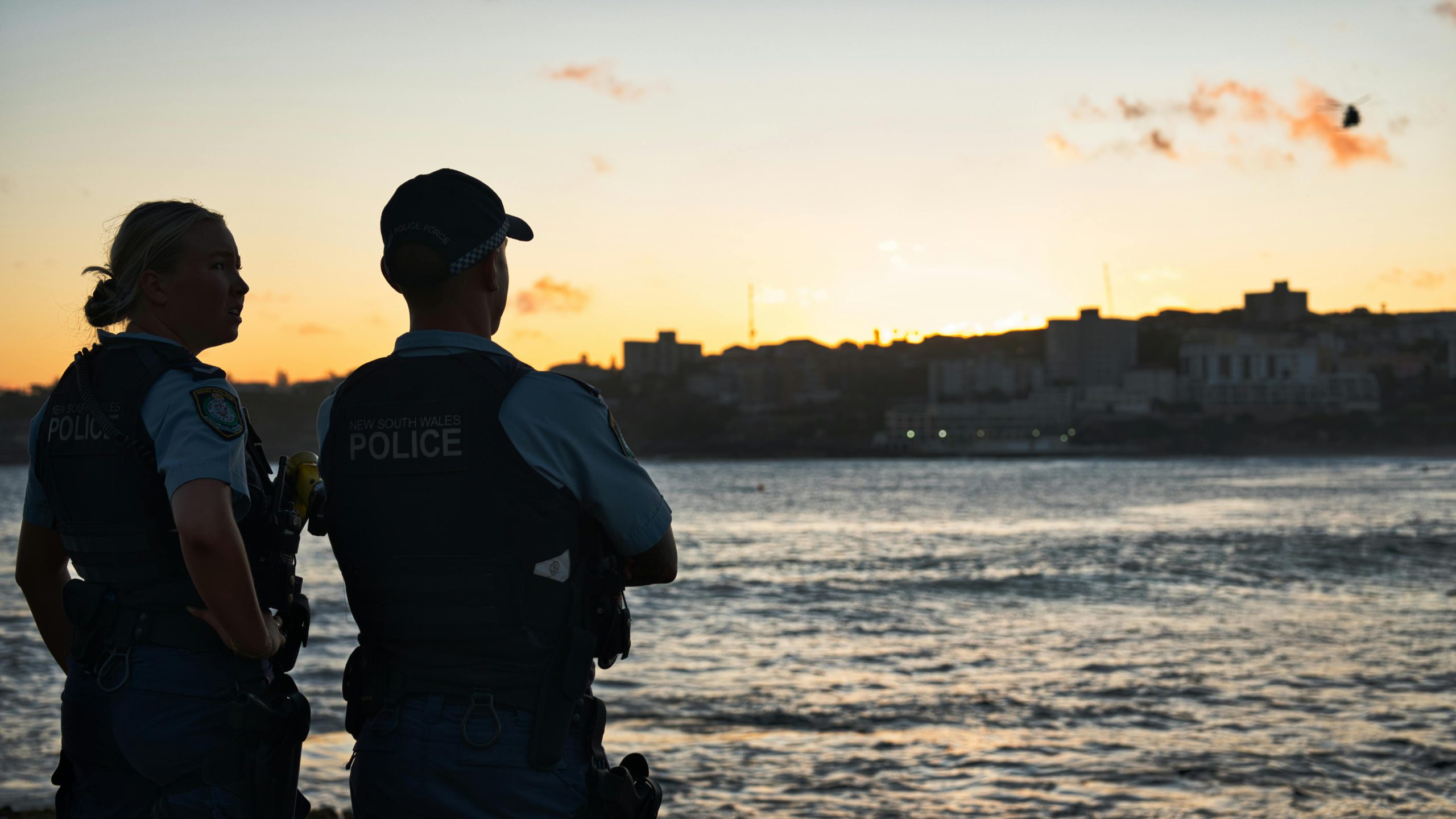
Recent reports indicate that police held a confidential meeting on Thursday night, during which community representatives were briefed about upcoming counterterrorism operations. Authorities expressed their expectation that community members would actively participate in monitoring extremism within their circles, an approach that has sparked mixed reactions from community leaders.
Notably, two senior figures within Sydney’s Muslim community disclosed that they previously alerted NSW Police about the behavior of Wissam Haddad, a Bankstown-based cleric whose association with the Bondi shooter has intensified scrutiny. These leaders emphasized that their concerns about Haddad’s influence and the network he has cultivated have been ongoing, with some followers having been convicted of terrorist-related offenses.
According to anonymous sources, police maintained that Haddad’s Islamic center was considered a valuable source of intelligence, which influenced decisions to keep it operational despite concerns. However, community leaders expressed frustration over the approach, describing the police’s recent engagement as patronizing and dismissive. Some attendees characterized the meeting as lacking meaningful dialogue, with police leaving without addressing questions or clarifying their plans, which they found offensive.
Leaders also voiced criticism of the notion that they should police their own community, viewing it as an unfair imposition amidst broader efforts to combat extremism. They reaffirmed their commitment to working alongside authorities, emphasizing that such collaboration is vital for protecting youth from radical influences and ensuring community safety.
In a broader context, NSW Police Commissioner Mal Lanyon acknowledged the community’s grief and reiterated ongoing conversations with Muslim leaders, though some have noted a decline in the strength of these relationships since the tenure of former Commissioner Andrew Scipione. Today, a closer partnership is maintained with the Australian Federal Police, which community representatives describe as more effective and respectful.
During a national press conference, Prime Minister Anthony Albanese and Home Affairs Minister Tony Burke announced an upcoming gun buyback scheme, aimed at addressing the surge in firearm-related incidents. Commissioner Barrett also highlighted the troubling increase in antisemitic attacks across Australia, revealing that numerous investigations are currently underway, with ten individuals charged in relation to recent incidents.
Meanwhile, a series of counterterror raids resulted in the detention of seven men in Liverpool last Thursday. However, these individuals were released less than a day later after authorities determined that there was insufficient justification for continued detention. The men, who identified themselves as tourists visiting Sydney, expressed confusion and described the arrests as a misunderstanding.
As communities navigate the aftermath of this incident, dialogue and cooperation remain crucial. Leaders continue to advocate for a balanced approach that prioritizes community trust and safety, emphasizing that tackling extremism requires sustained engagement, transparency, and mutual respect between authorities and community members.