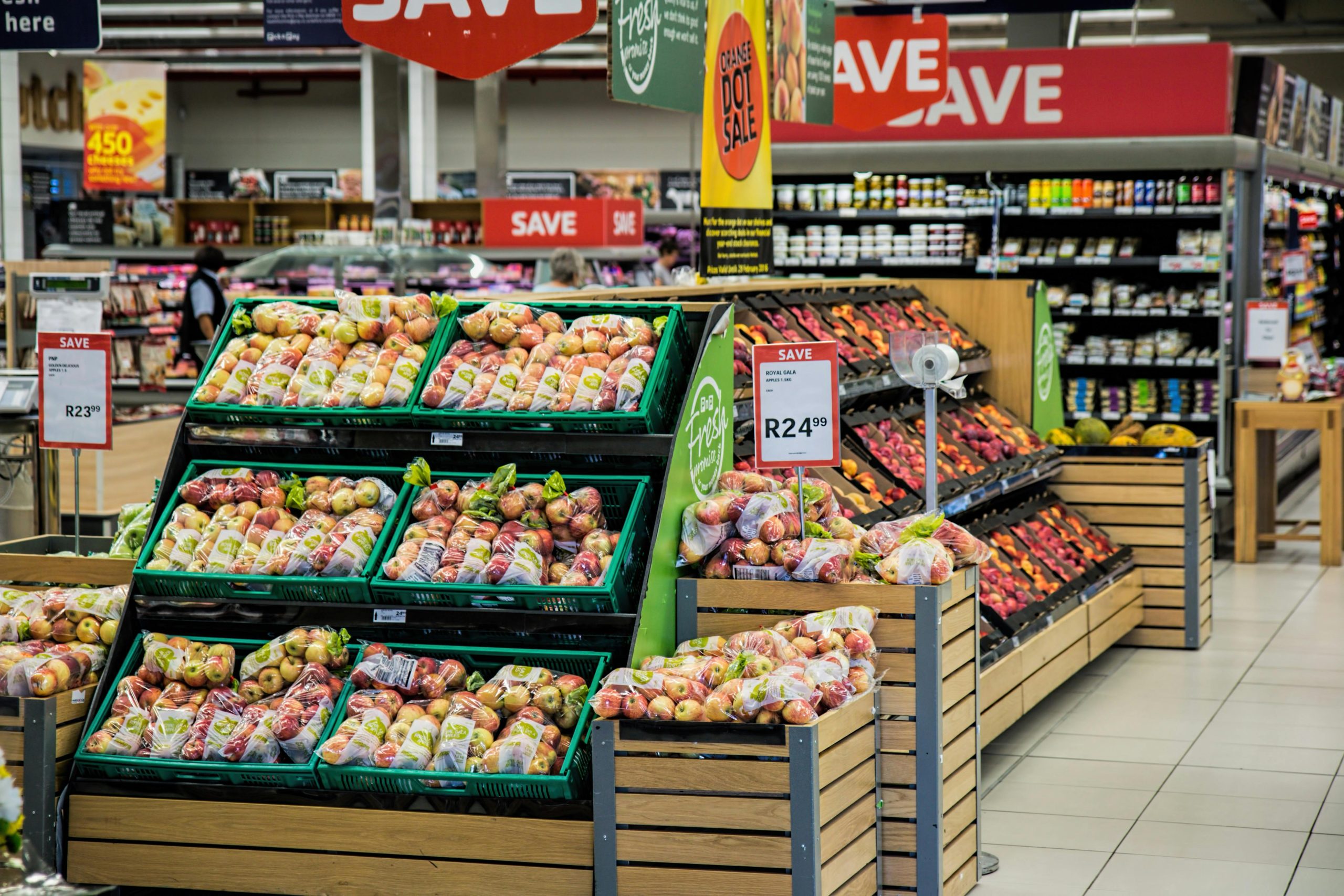
Global Grocery Price Comparison: Analyzing the Cost of Lamb Across Borders
Grocery shopping has always been a fascinating reflection of global economics, supply chains, and consumer markets. Recently, I found myself comparing the prices of Australian Lamb Loin Chops in different regions, and the results raised some compelling questions.
Australian Perspective: Affordable Quality in Sydney
In Sydney, at Aldi, Australian Lamb Loin Chops are priced at approximately AUD $29.99 per kilogram. Aldi’s reputation for cost-efficient quality makes this relatively accessible for local consumers seeking fresh, locally sourced meat options.
American Market: A Comparative Look in California
On the other side of the Pacific, in California, Costco offers Australian Lamb Loin Chops for USD $7.99 per pound, after factoring in a 10% tariff and accounting for 20% less fat content. Converting this to metric, the price approximates AUD $27.25 per kilogram.
It’s important to note that this price increase from USD $6.99 per pound to $7.99 per pound reflects recent adjustments, potentially driven by supply chain costs, tariffs, or market demand. Additionally, the product undergoes international transportation—halfway across the globe—adding to the final cost.
Questions Arising
At first glance, the prices seem remarkably comparable—AUD $29.99/kg in Sydney versus AUD $27.25/kg in California. Yet, considering factors like tariffs, transportation, and differences in fat content, the similarity prompts reflection:
- Are we truly getting comparable value?
- How do supply chain costs, tariffs, and logistics influence meat prices internationally?
- What does this mean for consumers in both regions striving for quality at a reasonable price?
Conclusion
Global grocery prices can often defy simple expectations, illuminating the intricate web of economics that impacts everyday shopping. While the numbers here suggest similar costs for high-quality Australian lamb on both sides of the globe, the underlying factors highlight the complexities behind what we pay and why.
As consumers, staying informed about these intricacies can help us make better choices and appreciate the fascinating interplay of global markets in our daily lives.