Understanding Your Rights When Landlords Alter Rental Property Amenities: A Case Study from Melbourne
Navigating rental property agreements can be complex, especially when landlords make changes that affect the comfort and amenities of a leased property. Recently, a tenant in Melbourne raised concerns after their landlord replaced a functioning cooling system with a heating-only unit. This situation highlights important considerations for tenants regarding maintenance, upgrades, and their rights under current tenancy laws.
The Background
The tenant moved into a property in Melbourne, where the initial inspection revealed a dual ducted system capable of providing both heating and cooling. At the time of moving in, the cooling was fully operational, offering the tenant the comfort of temperature control throughout the year. However, the heating component of the system was malfunctioning.
The Landlord’s Response
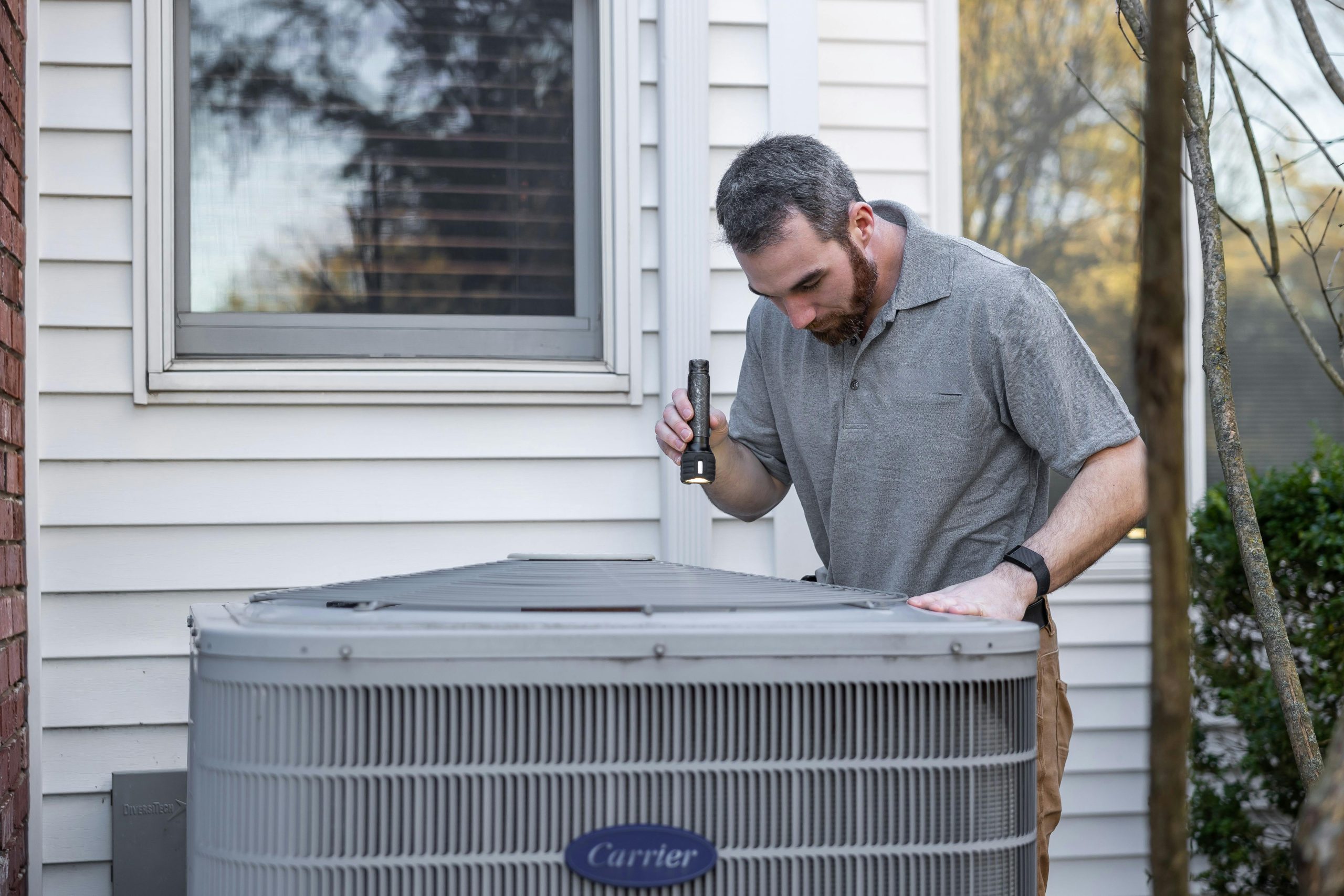
The landlord took steps to repair the heating issue by replacing the malfunctioning unit. Interestingly, instead of restoring the original dual system, the landlord installed a heating-only unit, removing the cooling capability altogether. This effectively reduced the property’s amenities, leaving the tenant without air conditioning—an essential feature, especially with Melbourne’s hot summer weather just around the corner.
Tenant’s Concern and Legal Perspective
The tenant argued that since the property initially included a functioning cooling system when they signed the lease, the removal of this feature constitutes a downgrade in the property’s amenities. They are questioning whether they have grounds to demand the installation of cooling equipment again or to seek a rent reduction due to the reduced amenity.
The agent representing the landlord responded by stating that, under Victorian tenancy standards, cooling is not considered a “mandatory minimum standard.” Therefore, the landlord is not legally obliged to restore or provide cooling equipment. However, the tenant’s position is rooted in the understanding that amenities included at the commencement of a lease form part of the agreed-upon rental terms.
Legal Rights and Recommendations
In Victoria, tenancy laws aim to protect tenants from unreasonable alterations that diminish the habitability or value of the rental property. While cooling might not be classified as a mandatory standard, tenants generally have the right to enjoy the amenities they reasonably expected at the start of their tenancy—especially if those amenities are implied in the lease and part of the property’s condition at move-in.
Tenants faced with such situations should consider the following steps:
-
Review the Lease Agreement: Confirm what amenities and features were explicitly included and whether the cooling system was specified.
-
Document the Change: Keep records of the property’s condition, including photographs and correspondence with the landlord or managing agent.
-
Communicate with the Landlord or Agent: Express concerns and request that amenities initially provided be restored or discuss potential compensation or rent adjustments.
-
Seek Formal Advice: Contact consumer protection agencies such as Consumer Affairs Victoria or consult with a tenant advocacy organization to clarify legal rights and possible courses of action.
-
Legal Recourse: If negotiations do not lead to a satisfactory resolution, tenants may consider formal dispute resolution processes or seek legal advice to explore further options.
Conclusion
While landlords have the right to make certain changes to their properties, such alterations should not unfairly diminish the tenant’s living conditions or amenities that were part of the lease agreement. Tenants in Melbourne and across Victoria are encouraged to be proactive in understanding their rights and to advocate for their right to a habitable, fully equipped residence. When in doubt, seeking legal guidance or assistance from tenant support organizations can help ensure that your rights are protected and that any changes to your rental property are handled fairly.
If you find yourself in a similar situation, remember that informed communication and knowledge of your legal rights are your best tools for resolving disputes effectively.