Understanding Food Labeling: Best Before vs. Use By Dates
In today’s food landscape, understanding food expiration labels is essential for consumer safety and informed decision-making. Many people find the distinction between “best before” and “use by” dates confusing, leading to uncertainty about whether food remnants past these dates are safe to consume. This article aims to clarify these labels and provide guidance on how to handle foods approaching or surpassing their expiration dates.
What Do “Best Before” and “Use By” Mean?
Best Before Date:
The “best before” date indicates the period during which the manufacturer guarantees the product’s optimal quality—this includes flavor, texture, and nutritional content. Food consumed after this date is generally still safe to eat, provided there are no signs of spoilage. The emphasis here is on maintaining the best possible quality rather than safety.
Use By Date:
Conversely, the “use by” date is more critical for safety. It signifies the date until which the product is considered safe to consume. Eating food after the “use by” date increases the risk of foodborne illness because the product may have spoiled or become hazardous to health.
Can Food Still Spoil After the Best Before Date?
Yes, it is possible for certain foods to spoil even before their “best before” date or to remain safe beyond it—though this depends on various factors such as storage conditions, packaging integrity, and the nature of the food itself.
Particularly with perishable items like dairy products, the risk of spoilage and food poisoning is higher. For example, Greek yogurt often bears a “best before” date because its safety window is relatively short, and spoilage can occur if stored improperly or past that date. While the date provides a guideline, actual safety depends on factors such as smell, appearance, and texture.
Why Relying Solely on Senses Can Be Tricky
One complicating factor is that food spoilage isn’t always obvious. Some spoiled foods may not display visible signs of deterioration, and harmful bacteria like Salmonella or Listeria cannot be detected through taste or smell alone. Relying solely on sensory evaluation can be risky, especially for high-risk foods like dairy, meats, and seafood.
Best practices suggest checking for signs of spoilage—such as sour or off odors, discoloration, slimy textures, or mold—and considering the type of food, storage duration, and conditions before consumption.
Practical Recommendations
-
For dairy and perishable foods: Aim to consume them by the “use by” date. If you choose to eat them after this date, assess their condition carefully and when in doubt, discard.
-
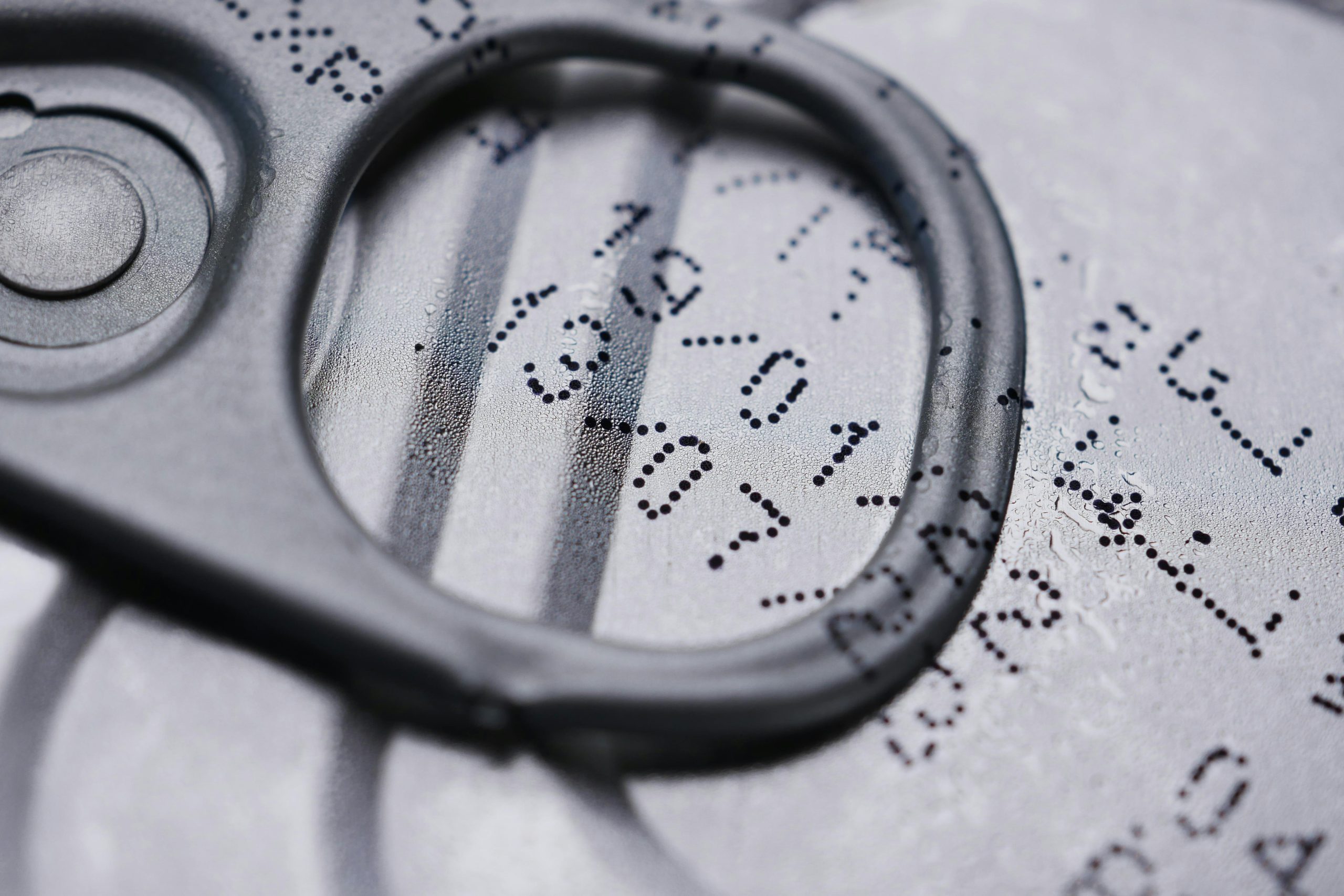
For non-perishable foods: Such as canned goods or dry staples, the “best before” date is less critical; these foods can often be consumed safely after the date if stored properly and free of spoilage signs.
-
When in doubt: Trust your senses but also recognize their limitations. When dealing with potentially hazardous foods, err on the side of caution and heed expiration dates.
In summary, understanding the difference between “best before” and “use by” dates helps you make safer, more informed choices. Always consider the nature of the food, how it has been stored, and physical signs of spoilage before deciding to consume products past their labeled dates. When uncertain, consulting guidance from food safety authorities or discarding questionable items is the safest approach.
Your safety and well-being are worth the extra caution. When in doubt, throw it out.