Understanding the High Cost of Real Estate in Australia: An In-Depth Analysis
Australia’s housing market has become a topic of widespread concern, with many questioning why property prices appear so prohibitively high compared to other countries, particularly in relation to average incomes. To better understand this phenomenon, it’s essential to examine the underlying factors contributing to Australia’s elevated real estate costs and how they impact prospective homeowners.
Comparative Housing Costs: Australia Versus the United States
For context, in the United States, especially in places like Texas, affordable housing options are still prevalent. For approximately $300,000 USD, buyers can often find spacious three-bedroom houses that include yards, garages, and other amenities—even in suburban areas. These properties typically offer considerable value relative to income levels, making homeownership accessible for many.
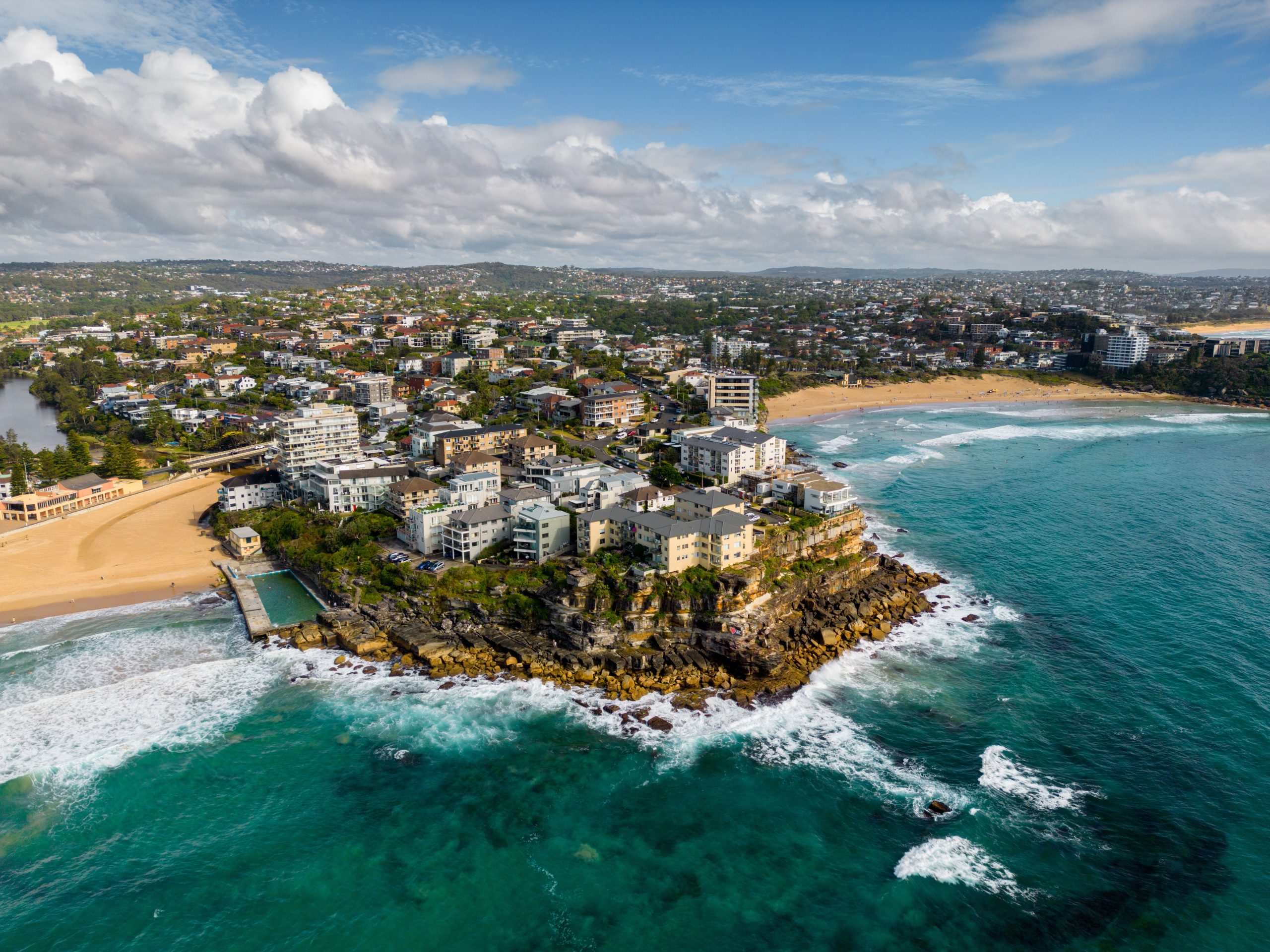
In contrast, Australian cities such as Sydney and Melbourne showcase a different landscape. Here, a budget of around AUD 1 million often secures buyers a much smaller property—sometimes an older, narrow house that resembles a hallway with a kitchen or compact apartments situated far from the central business districts. Despite the hefty price tags, these properties may not come with significant land or space, leading to questions about affordability and value.
Factors Contributing to Australia’s Housing Affordability Challenges
Several interconnected elements explain the high property prices in Australia:
-
Supply and Demand Imbalances: Rapid population growth and internal migration to urban centers have increased demand for housing, often outpacing supply. Limited land availability near major cities further constrains development options.
-
Investment and Speculation: Australian real estate is often viewed as a safe investment, attracting both domestic and international investors. This influx of capital drives prices upward, sometimes detached from local income levels.
-
Interest Rates and Lending Policies: Historically low-interest rates have made borrowing easier and more attractive, encouraging higher mortgage uptake and bidding wars for desirable properties.
-
Zoning and Regulatory Constraints: Stringent zoning laws and building regulations can limit new construction, exacerbating supply shortages and anchoring prices at elevated levels.
Impact on Australians and Homeownership Trends
The high cost of housing raises significant concerns about affordability for the average Australian. Many residents find themselves needing substantial financial support—such as family assistance or inheritance—to enter the property market. Additionally, it often results in couples working full-time jobs, sometimes both partners, solely to meet mortgage payments.
Furthermore, a trend toward moving further from city centers is evident, as some seek more affordable options in suburban or regional areas. While this can alleviate cost pressures, it also impacts commuting times and lifestyle preferences.
Broader Context and Geographic Scope
While Sydney and Melbourne are often highlighted as the primary drivers of the housing affordability crisis, these issues are increasingly spreading to other cities and regional areas across Australia. The overall housing market landscape suggests that the challenge is systemic rather than isolated to specific urban centers.
Conclusion
The Australian housing market’s high prices relative to income levels reflect complex economic, geographic, and regulatory factors. Addressing these challenges requires a multifaceted approach, including policies aimed at increasing supply, regulating investment activity, and enhancing affordability for everyday Australians. As the conversation around the “housing crisis” continues, understanding these underlying dynamics is essential for stakeholders and prospective homeowners alike.