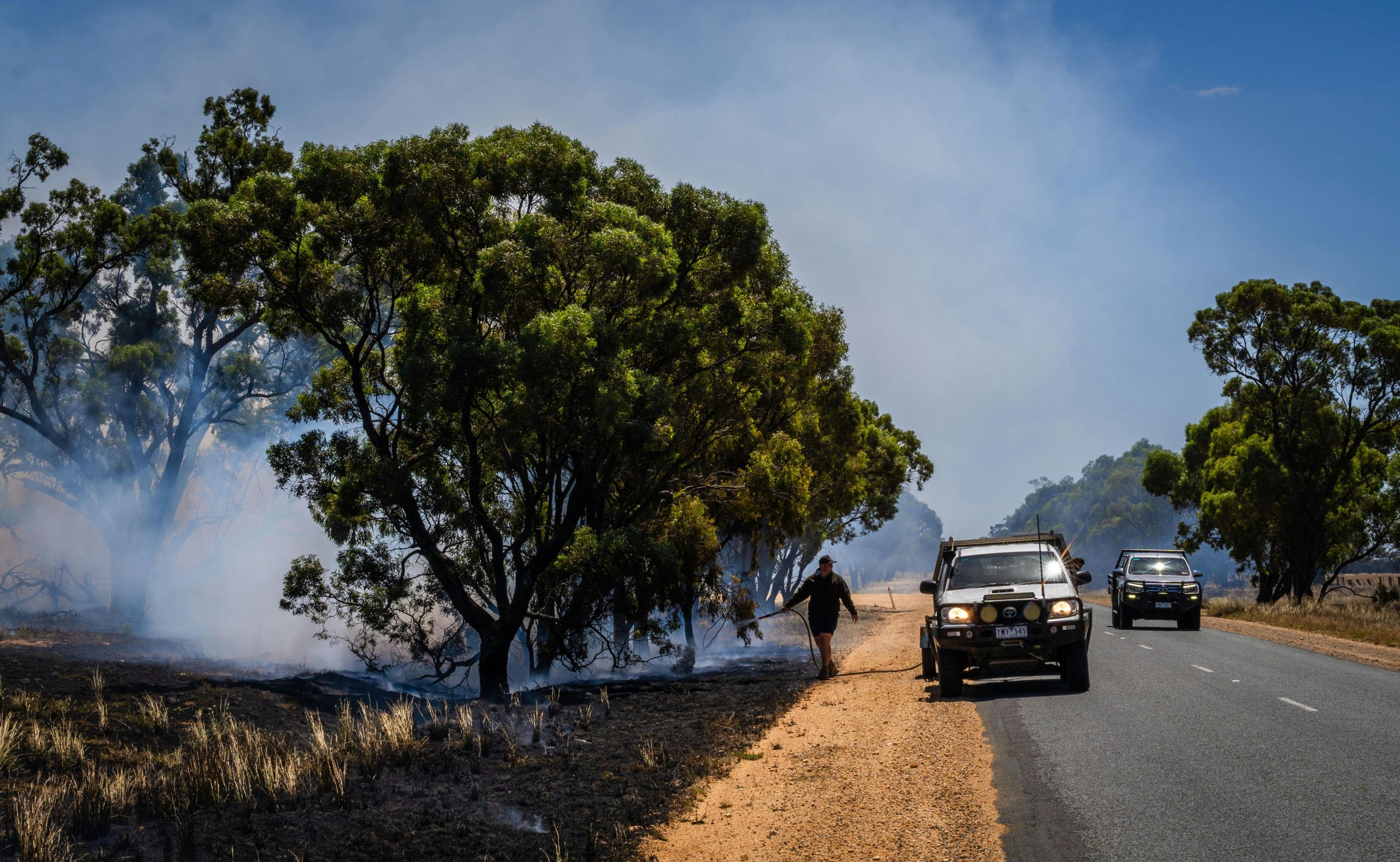
Rural Firefighting in Australia: Addressing the Compensation Gap and Its Impacts on Community Safety
Australia’s vast rural landscapes are frequently threatened by devastating wildfires, placing incredible demands on firefighters who operate in some of the most challenging conditions. These brave individuals—whose skills, courage, and dedication are vital in safeguarding lives, property, and wildlife—often work without compensation, particularly in rural firefighting roles. This reality raises a critical question: Why does a nation so deeply affected by these fires tolerate such a lack of remuneration for these essential services?
The Value of Rural Firefighters and the Current System
Rural firefighters, including volunteers and part-time personnel, form the backbone of Australia’s fire response, especially during peak wildfire seasons. Despite their crucial role, many of these firefighters operate without pay, which can lead to issues of motivation, retention, and overall efficiency. Their work demands specialized training, physical endurance, quick decision-making, and an unwavering commitment—attributes that deserve recognition and fair compensation.
Potential Benefits of Implementing Paid Roles
Introducing remuneration for rural firefighting roles could have multiple positive outcomes:
- Enhanced Recruitment and Retention: Offering compensation can attract more individuals to serve, ensuring a ready workforce during emergencies.
- Increased Motivation and Morale: Paid roles can foster a sense of value and recognition, leading to higher levels of commitment.
- Improved Efficiency and Response Times: Well-supported firefighters are more likely to respond swiftly and effectively, potentially containing fires more quickly.
- Community Confidence: Demonstrating that firefighters are valued through fair pay can strengthen public trust and support.
A Sustainable Funding Model: An Army Reserve-Style Approach
Rather than full-time salaries, a practical model might resemble an Army reserve system—paying volunteers a competitive wage during call-outs and crises. This structure would honor their service and expertise, without imposing the financial burden of full-time employment, while providing a safety net and incentive.
Including the SES in the Discussion
The State Emergency Service (SES), which plays a pivotal role in response efforts across a range of emergencies, also merits similar consideration. Ensuring that SES volunteers and personnel are adequately compensated and supported can enhance overall emergency preparedness and response capabilities.
Conclusion
Given the increasing frequency and severity of wildfires across Australia, it is imperative to reevaluate the current approach to rural firefighting and emergency response roles. Recognizing these men and women with fair remuneration, whether through an Army reserve-style system or other innovative funding models, can lead to more effective fire management, better community protection, and a sincere appreciation of their vital contributions. It is about time that Australia invests appropriately in those who stand on the front lines during its most challenging times.