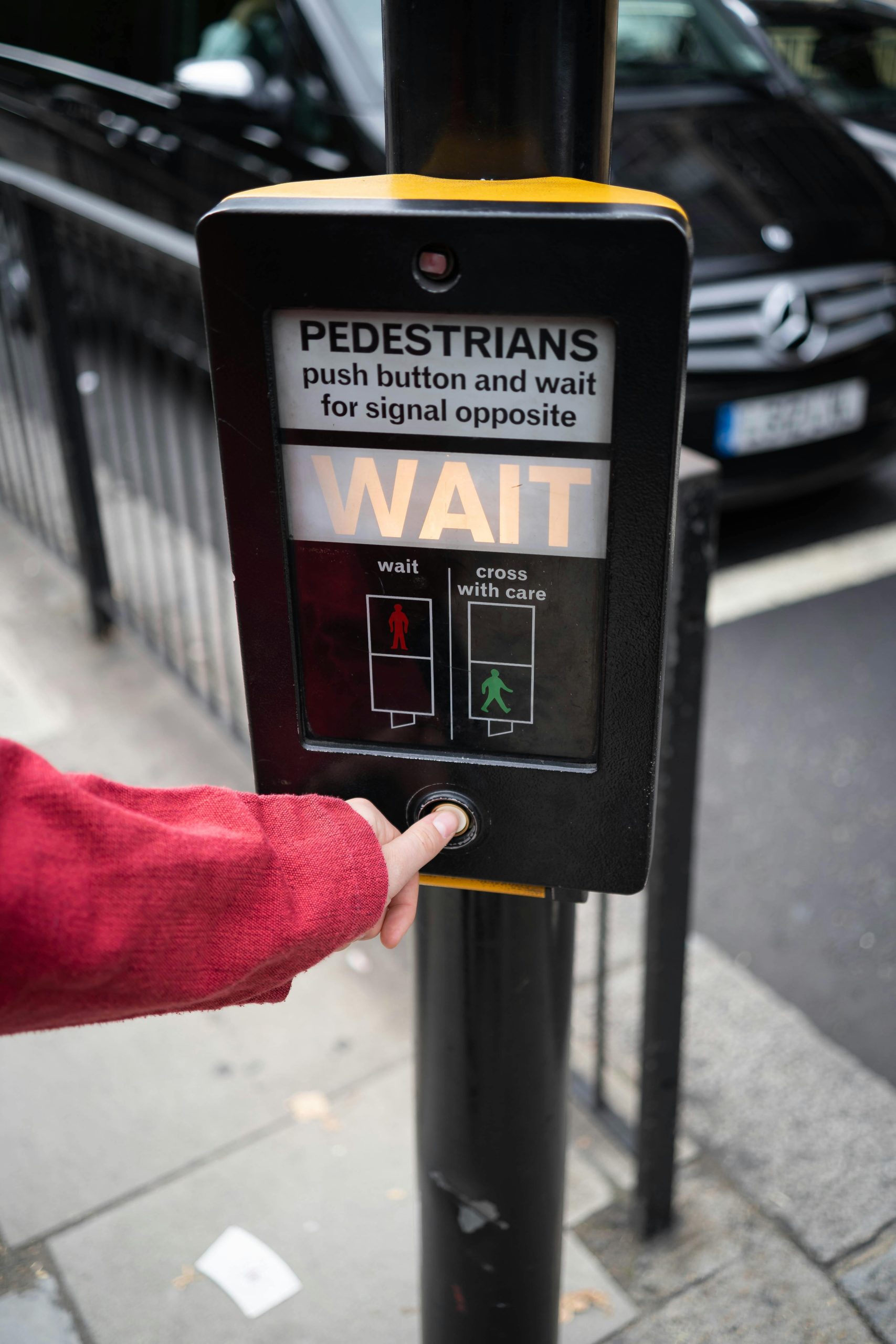
The Effectiveness of Multiple Pedestrian Button Presses at Traffic Lights
Many pedestrians observe that when waiting to cross a busy intersection, some individuals repeatedly press the pedestrian crossing button, seemingly in an effort to expedite the signal change. This common behavior prompts the question: Does pressing the crossing button multiple times have any actual impact on how quickly the traffic lights change from red to green?
Understanding Traffic Light Activation Systems
Traffic lights equipped with pedestrian crossing buttons are typically designed to serve as a request system for pedestrians. When the button is pressed, it signals the traffic management system to prepare for a phase change that will allow pedestrians to cross safely. However, the underlying mechanics and timing of these systems vary based on local traffic management configurations.
Impact of Multiple Button Presses
In most cases, traffic management systems are set up to recognize a single crossing request within a certain timeframe. Repeatedly pressing the button does not usually accelerate the change because the system either:
- Registers Only the First Press: The system records the initial request and ignores subsequent presses until the cycle is complete or until the system resets for the next cycle.
- Has a Debounce Mechanism: To prevent false triggers or system overload from multiple presses, the system may ignore additional requests for a brief period after the initial press.
- Operates on Fixed Timetables or Sensors: Some systems rely on fixed timers or vehicle sensors to determine when to change signals, and pedestrian button presses merely request that the system consider pedestrians during the next cycle.
Australian Traffic Light Systems
In Australia, traffic management systems adhere to local standards and regulations. While some regions may incorporate advanced sensors or adaptive signaling, most pedestrian crossing buttons function primarily as requests rather than controls that can force an immediate change. Therefore, pressing the button multiple times does not significantly affect the timing of the pedestrian walk signal.
Best Practices for Pedestrians
To ensure a safe and efficient crossing experience, pedestrians should:
- Press the crossing button once and wait patiently for the signal change.
- Avoid multiple presses, which generally do not influence the signal timing and may congest the system’s functioning.
- Remain attentive to traffic conditions and signals to cross safely.
Conclusion
Pressing the pedestrian crossing button multiple times typically does not speed up the transition from red to green for pedestrians. Most traffic light systems are designed to process a single request per cycle to maintain smooth traffic flow and ensure safety. Patience and adherence to crossing protocols remain the best approach for pedestrians at traffic signals.