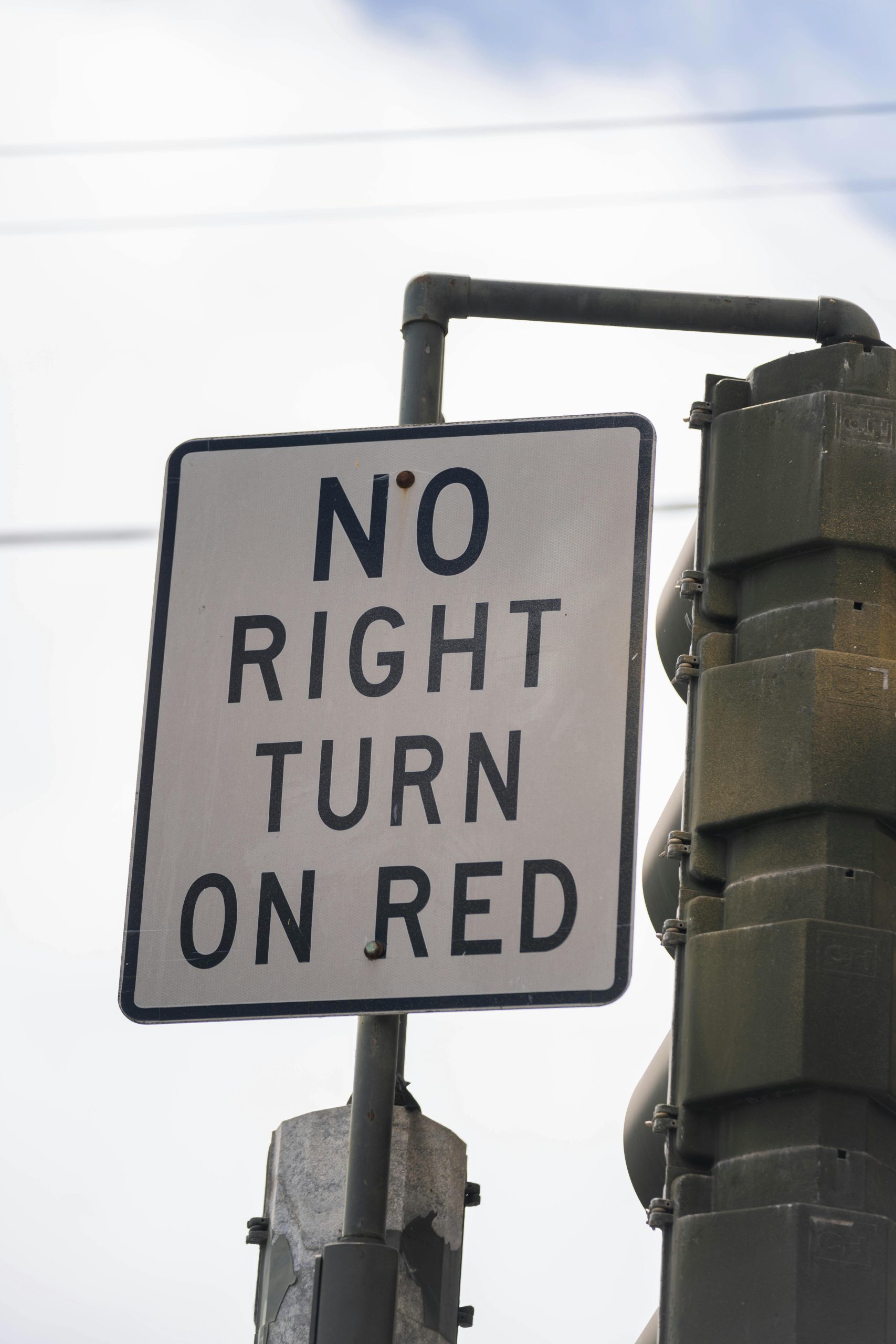
Understanding Proper Intersection Turning Etiquette: Edge Forward or Stay Behind the Line?
Navigating intersections can sometimes be a nuanced aspect of driving, especially when it comes to turning right at traffic signals. One common question among drivers is whether it’s permissible to edge forward into the intersection while waiting for the light to turn green, even when there’s no dedicated turning arrow.
The Scenario: Turning Right at a Green Light Without a Green Arrow
Imagine approaching an intersection with a green light, no dedicated right turn arrow, and intending to turn right. Should you wait behind the painted stop line or proceed carefully into the intersection’s center, giving way to oncoming traffic going straight? Many drivers wonder if advancing slightly—sometimes called “edging forward”—is allowed, with the idea that it may facilitate a smoother turn once the light changes.
Legal and Safety Considerations
In many traffic jurisdictions, it is legal to cautiously edge forward into an intersection when turning right at a steady green light, provided you yield to oncoming traffic and pedestrians. This can help improve traffic flow and position your vehicle better for the turn, especially in situations where the lane can accommodate such movement and it’s clear that oncoming traffic is stopping.
However, it’s essential to exercise caution: always ensure your movement does not obstruct the crosswalk, block the intersection, or create safety hazards. Be aware of local traffic laws, as rules regarding such maneuvers can vary by region.
The Debate: To Edge or Not to Edge
Some drivers feel that staying behind the stop line until the light turns green is a sign of patience and compliance. Others believe that carefully edging forward is courteous and efficient, enabling a quicker and smoother turn.
Conversely, some motorists refrain from edging forward to avoid any potential legal issues or misunderstandings, preferring to wait until they have a dedicated turn signal or arrow.
Impact on Traffic Flow and Courtesy
Allowing drivers to edge forward can reduce congestion by preventing long lines of vehicles waiting behind the stop line and can make traffic movement more seamless. However, it’s crucial that such maneuvering is done responsibly and in accordance with local traffic rules.
Summary
When approaching a right turn at an intersection with a green light and no dedicated arrow, it is generally acceptable—where legal and safe—to edge forward into the intersection, provided you yield appropriately. Such courteous driving can enhance traffic flow but must be balanced with safety considerations and compliance with jurisdiction-specific regulations.
Final Thoughts
Good driving involves understanding both the letter of the law and the essence of road courtesy. When in doubt, consult your local traffic regulations or road safety guidelines to ensure you’re making safe and lawful decisions at intersections.