Understanding the Impact of Media Narratives and Public Perceptions on Muslim Communities
In recent times, online platforms have seen a surge of posts and comments that depict Muslims in a negative light, often fueled by misconceptions and incomplete information. It is essential to recognize that the vast majority of Muslims around the world oppose extremism and violence, standing alongside communities committed to peace and coexistence.
Statistics from the Global Terrorism Index provide a sobering perspective on the nature of global terrorism. In 2023, there were approximately 21,596 victims of terrorist attacks worldwide. Of these, an estimated 94% were from Muslim-majority countries. This data highlights that regions with predominantly Muslim populations bear the brunt of terrorism-related violence, often as a result of geopolitical conflicts, extremist insurgencies, or other complex factors.
It’s significant to understand that extremist ideologies represent a tiny fraction—approximately 0.1%—of the Muslim population. Associating the beliefs or actions of this small minority with the entire religion is both inaccurate and unjust. Drawing parallels, blaming all Baptists for the actions of an individual like George Pell is an analogy that underscores the importance of not generalizing based on the actions of a few.
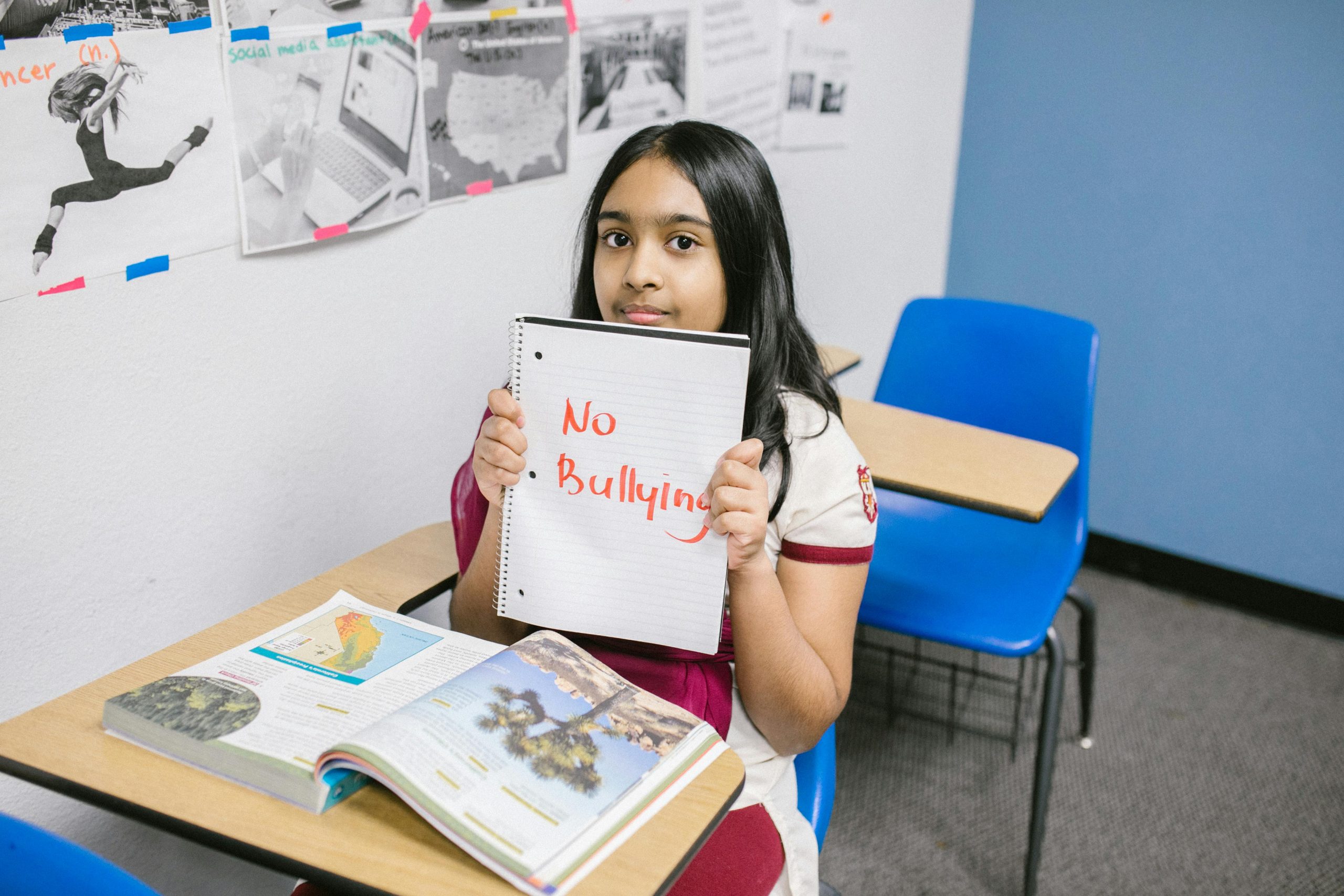
Public discourse should be grounded in factual information and genuine engagement. Rather than relying solely on sensationalized news reports or online narratives, engaging directly with Muslim communities can foster understanding, dispel misconceptions, and promote tolerance. It is crucial for communities to approach such topics with a balanced perspective and a commitment to seeking the truth.
Promoting awareness, empathy, and informed discussions can significantly contribute to reducing prejudice and building a more inclusive society where diversity is respected and valued.