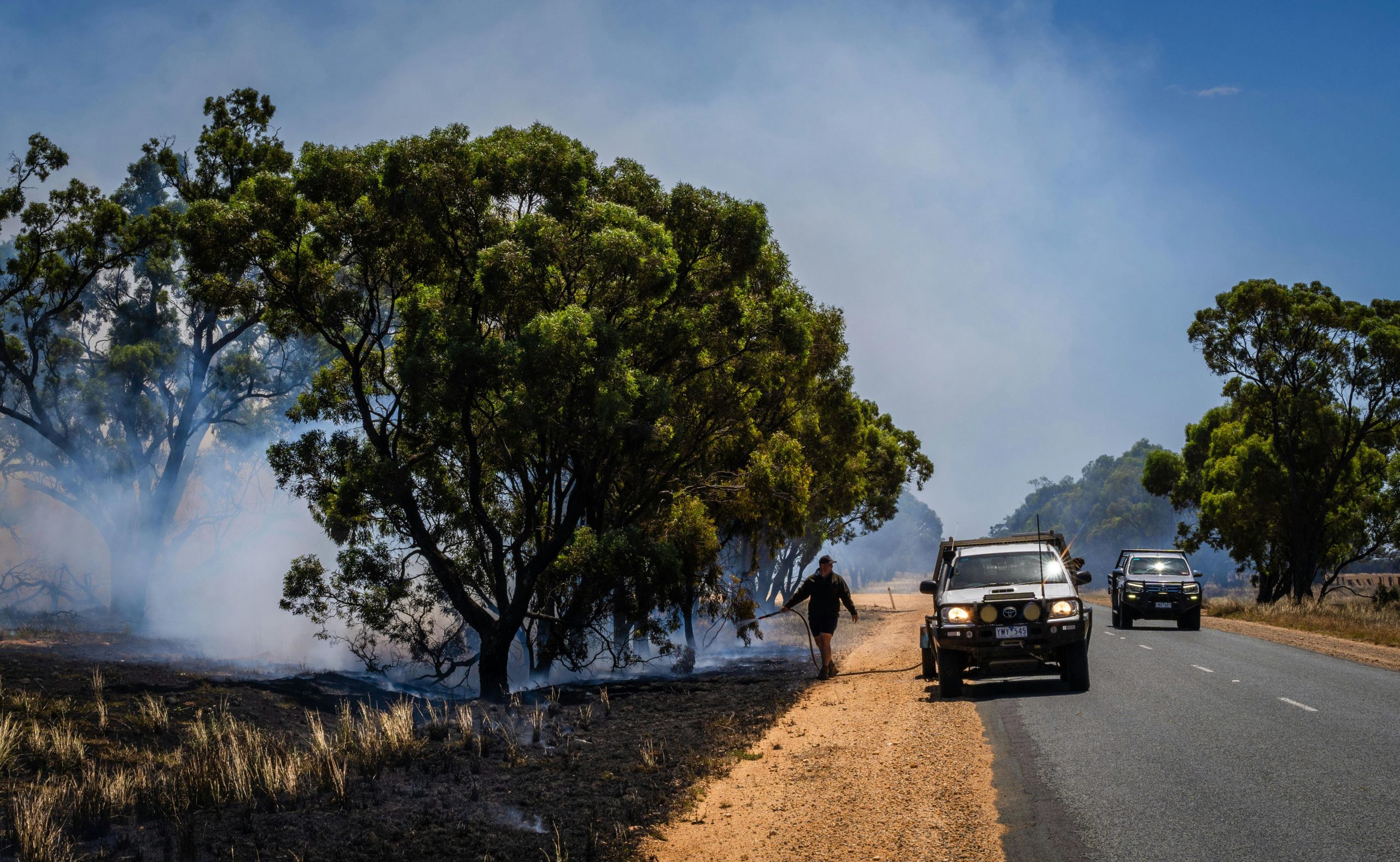
Addressing the Compensation of Rural Firefighters in Australia: A Call for Fair Recognition and Support
Australia’s rural firefighting personnel play a crucial role in protecting communities, wildlife, and property from devastating natural fires. These individuals often demonstrate remarkable skill, bravery, and dedication, risking their lives to mitigate disasters that threaten countless lives and ecosystems. Despite their vital contributions, many of these firefighters do not receive direct payment for their efforts, raising important questions about recognition, motivation, and support within the sector.
The Importance of Rural Firefighters in Australia
During fire season, rural firefighters are typically called upon to combat some of the most challenging blazes across remote and difficult terrains. Their work is physically demanding, mentally taxing, and often performed under dangerous conditions. Their efforts are instrumental in containing fires swiftly, thereby saving lives, preventing property loss, and protecting Australia’s unique wildlife. Their commitment extends beyond regular duty hours, often requiring volunteers to step up in times of crisis, sometimes at great personal expense.
The Case for Fair Compensation
While the current reliance on volunteers and unpaid roles underscores community spirit and dedication, it also highlights systemic issues in supporting those who serve in such critical capacities. Making all rural firefighting roles paid would serve multiple purposes:
- Recognition and Appreciation: Offering compensation acknowledges the expertise and sacrifices of these firefighters, fostering a sense of value and respect.
- Increased Recruitment and Retention: Providing paid roles would attract more individuals to the profession, helping to alleviate shortages and ensuring a sustainable workforce.
- Enhanced Motivation and Efficiency: Financial incentives can boost morale, leading to higher productivity levels and more effective firefighting efforts.
- Improved Response Times: With motivated personnel, fire containment can be expedited, ultimately reducing damage and saving more lives.
A Sustainable Funding Model
Rather than full-time, year-round salaries comparable to typical employment, a practical approach might involve an Army reserve-style system. In this model, individuals would receive a rewarding wage during times of fire crisis or emergency responses, while otherwise engaging in their regular livelihoods. Such a system balances fiscal responsibility with fair recognition, ensuring that personnel are compensated when it matters most.
Considering the Role of SES and Other Volunteer Agencies
It is also vital to include the State Emergency Service (SES) in this conversation. SES volunteers and paid staff form a backbone of emergency response in Australia, providing essential firefighting, rescue, and relief services. Ensuring that all facets of rural and emergency firefighting are appropriately supported and compensated will strengthen the entire disaster response framework.
Conclusion
The dedication of Australia’s rural firefighters and emergency personnel deserves acknowledgment through fair compensation. By implementing a structured, incentive-based system, Australia can better support its courageous volunteers, improve firefighting efficiency, and ultimately safeguard its communities and environment more effectively. Recognizing and rewarding these efforts is not just an act of fairness—it is a strategic investment in national resilience and safety.