Understanding the Significance of the Sydney Harbour Bridge Protest: Addressing Misconceptions and Recognizing Genuine Advocacy
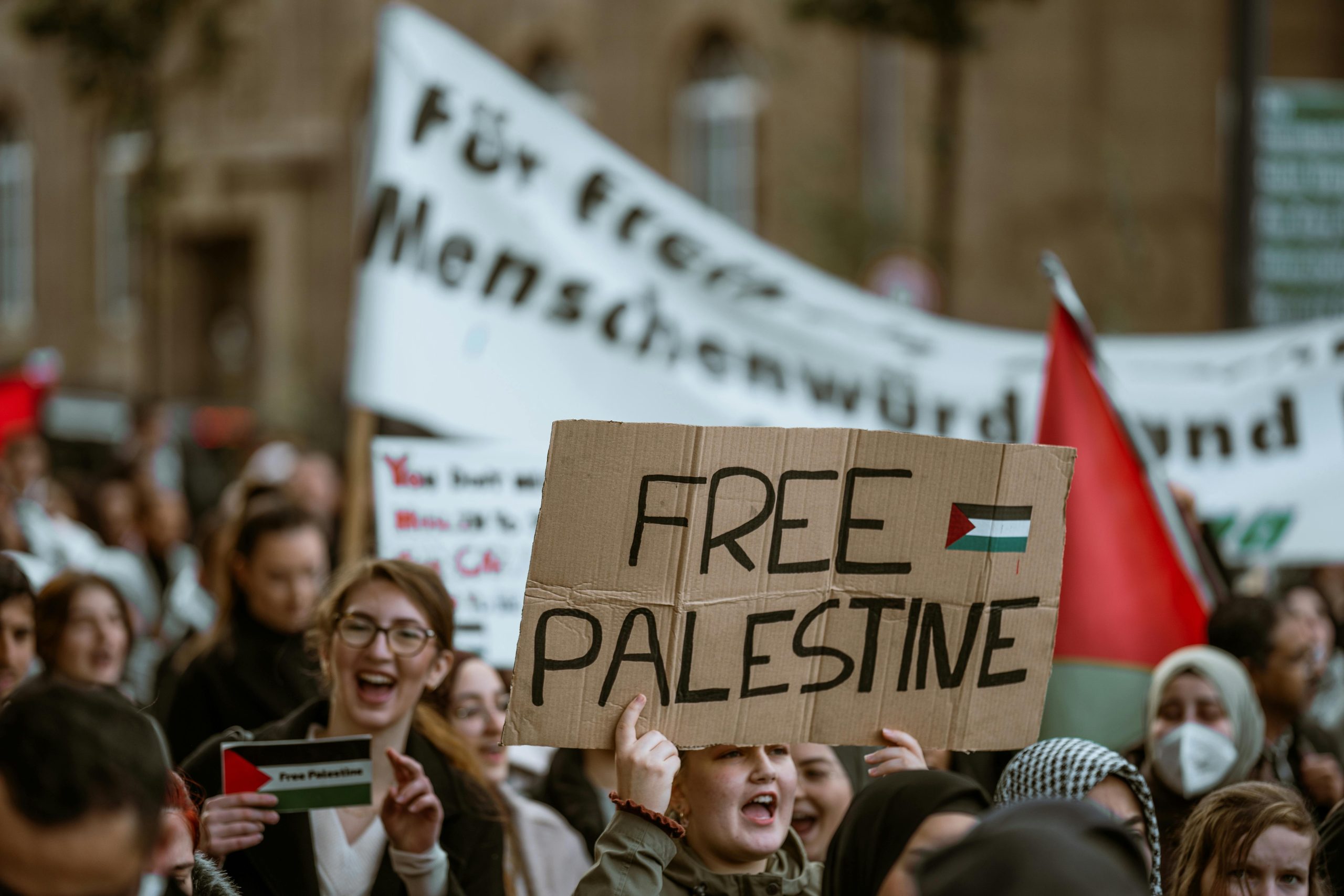
Recently, a major demonstration took place on Sydney’s Harbour Bridge, drawing over 100,000 participants—including families, union groups, students, activists, and even some politicians—who peacefully assembled despite inclement weather. The purpose was to highlight the humanitarian crisis in Gaza, where populations face starvation, deprivation of aid, and ongoing violence.
However, public discourse has, at times, centered on a small number of fringe signs and images seen at the protest. This focus risks overshadowing the core message: a call to end mass killings and collective punishment inflicted upon innocent civilians. It is important to recognize that the actions of a few individuals do not define the intent or legitimacy of the entire movement.
Drawing parallels, it’s unreasonable to judge entire protests based on isolated incidents—just as we would not label all anti-lockdown protests as driven by extremism because some participants displayed offensive symbols, or assume all Black Lives Matter demonstrations endorse violence because of a few looters. Such generalizations distort the broader causes and undermine genuine advocacy efforts.
Participants in the Sydney protest are not driven by trends or political allegiances; rather, they are rallying against the ongoing humanitarian crisis in Gaza—where children are suffering, aid is blocked, and entire communities are under threat. Their activism stems from a moral imperative to respond to human suffering and to advocate for international attention and aid.
Critics sometimes attempt to discredit these demonstrations by highlighting fringe elements or offensive posters, but doing so is both misleading and dangerous. It risks providing cover for the very violence and inaction protesters seek to end. Recognizing the difference between the core movement and isolated incidents is crucial in maintaining honest and respectful discourse.
Moreover, it is valid to condemn hateful ideologies such as antisemitism, and at the same time, acknowledge that most protesters are advocating against war crimes and human rights violations. Supporting the legitimate motives behind such a significant gathering does not diminish the importance of addressing abhorrent behaviors; rather, it underscores the multifaceted nature of grassroots activism.
Ultimately, this protest was about human rights, compassion, and justice, not hate. It is vital that the narrative remains focused on these principles, rather than allowing fringe elements or misrepresentations to distort the movement’s purpose.
In conclusion, collective action plays a vital role in raising awareness about pressing humanitarian issues. If individuals feel compelled to organize protests, social media provides a powerful platform to do so—so rather than dismiss or criticize, encouraging active participation can foster greater understanding and real change.
Let us prioritize empathy, accuracy, and respect in discussing these critical issues, ensuring that genuine voices are heard and their messages upheld.