The Importance of Open Debate on the Burqa ban in Australia
In recent years, several countries have enacted bans or restrictions on the burqa, with over twenty nations—including majority Muslim countries such as Algeria and Chad—taking measures to limit or prohibit full-body, full-face coverings. This global trend underscores a broader conversation about cultural integration, security, and societal values. Given this context, it is worth examining whether Australia should consider a similar approach, particularly regarding the full-face covering that some Muslim women choose or are compelled to wear.
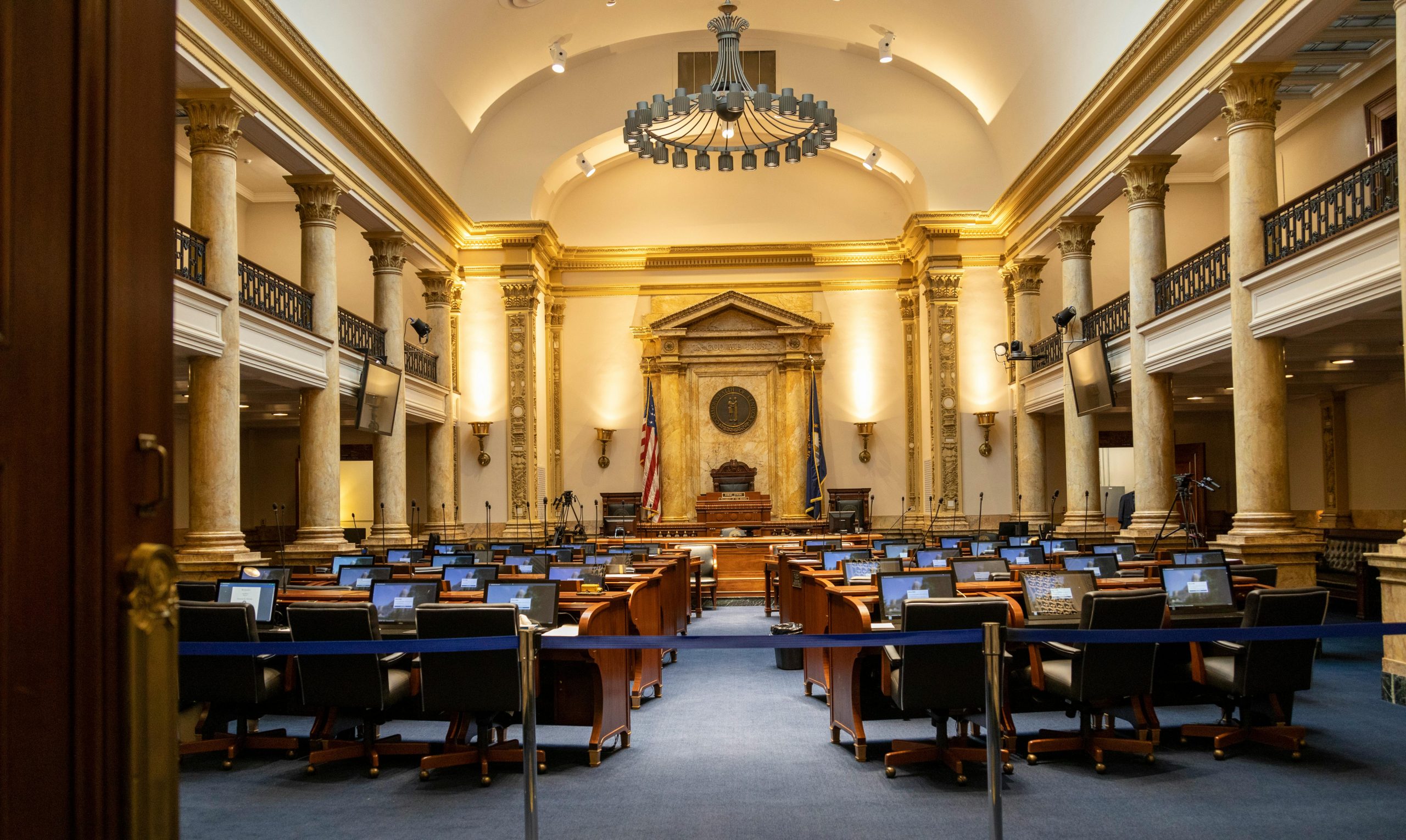
The case for open parliamentary discussion is compelling. In October, Portugal engaged in a mature and comprehensive debate on this issue, ultimately deciding to ban the burqa. In contrast, the Australian Senate chose to shut down any formal discussion of a potential ban, instead opting to censure Senator Pauline Hanson for raising the topic. Such actions raise questions about the willingness of the legislative process to address complex societal issues in a transparent and respectful manner.
The immediate reaction to Senator Hanson’s efforts to present her bill reveals a heightened sensitivity within Australian political culture—especially regarding anything perceived as challenging Muslim practices. This hypersensitivity was exemplified by the swift condemnation and censure she received, highlighting a tendency to avoid debate—perhaps out of a fear of offending or alienating Muslim communities. However, this approach can be problematic; a society that permits or even encourages insults directed at other religions should be capable of engaging in honest discussions about practices like the burqa.
Supporting this view, Labor’s Senate leader Penny Wong and Greens leader Larissa Waters justified their actions by emphasizing the importance of respecting and protecting religious faith. Yet, in a landscape where Christianity and Judaism frequently face criticism and debate, their claim of religious freedom seems inconsistent. The core issue is whether the discussion is about safeguarding religious expression or about examining societal implications of such attire.
Critics argue that rather than resorting to formal censure, the Senate should facilitate an open debate—allowing propositions like Hanson’s to be tabled and examined thoroughly. Parliaments are institutions meant to deliberate on pressing issues in a balanced, respectful manner. Avoiding discussion altogether can push contentious topics underground, making genuine dialogue more difficult. Ultimately, dismissing or ridiculing proponents of such debates only fuels misunderstandings and entrenches divisions.
It’s instructive to look at international examples. Portugal’s decision to ban the burqa is a recent instance, joining countries such as France, Austria, Denmark, Belgium, Bulgaria, Luxembourg, Switzerland, the Netherlands, Norway, and parts of Germany and China in restricting full-face coverings. Several African nations, including Cameroon, the Congo, and Gabon, as well as Muslim-majority countries like Chad, Tunisia, Tajikistan, Uzbekistan, Kazakhstan, Azerbaijan, and Kyrgyzstan, have also implemented bans or limitations. These diverse nations share a common concern: how such coverings impact social cohesion, security, and women’s integration.
The question arises—how can a broad spectrum of countries with different cultures, histories, and societal structures arrive at similar restrictive policies on the burqa? The answer often lies in considerations of security, public safety, and social cohesion. Many countries impose partial bans or restrictions aimed at balancing religious freedoms with societal interests.
It is important to clarify that Senator Hanson’s proposed ban targeted the full-face covering, not the more benign headscarf or hijab, which has historical and religious significance and allows for visibility and facial expression. Many religions—including Islam, Judaism, and even traditional Catholic practices—have long encompassed head coverings. Such coverings serve spiritual or cultural purposes while maintaining individuals’ connection and participation within society.
Concerning Islamic teachings, some prominent religious authorities have clarified that full-face veiling is not an obligatory practice—many emphasize modest dress without necessitating the complete concealment of the face. For example, Egypt’s leading Muslim cleric, Mohammed Tantawi, in 2009, issued a fatwa stating that wearing a face veil was not a religious requirement, thus framing modest dressing as a matter of personal choice rather than religious mandate.
While protesters might have used symbolic gestures—such as Hanson donning a burqa—their actions, like other forms of political expression, are part of the democratic process. Parallels can be drawn to other legislative stunts: Green Senators wearing keffiyehs or footy jerseys in Parliament to make political points. Such acts, while provocative, serve to stimulate dialogue rather than silence it.
The broader concern is whether the intensity of opposition to Hanson’s proposal is intended to silence a legitimate segment of public opinion—namely, those who view the wearing of the burqa as incompatible with Australian cultural norms. If open, respectful debate is stifled, society risks missing a vital opportunity to address meaningful societal questions.
In conclusion, an honest, mature discussion about cultural attire—including the potential regulation of full-face coverings—is necessary in Australia. The Parliament should provide space for these debates, ensuring that policies are crafted through transparent and inclusive processes. Only by doing so can societal cohesion be maintained, and diverse perspectives be genuinely understood and respected.