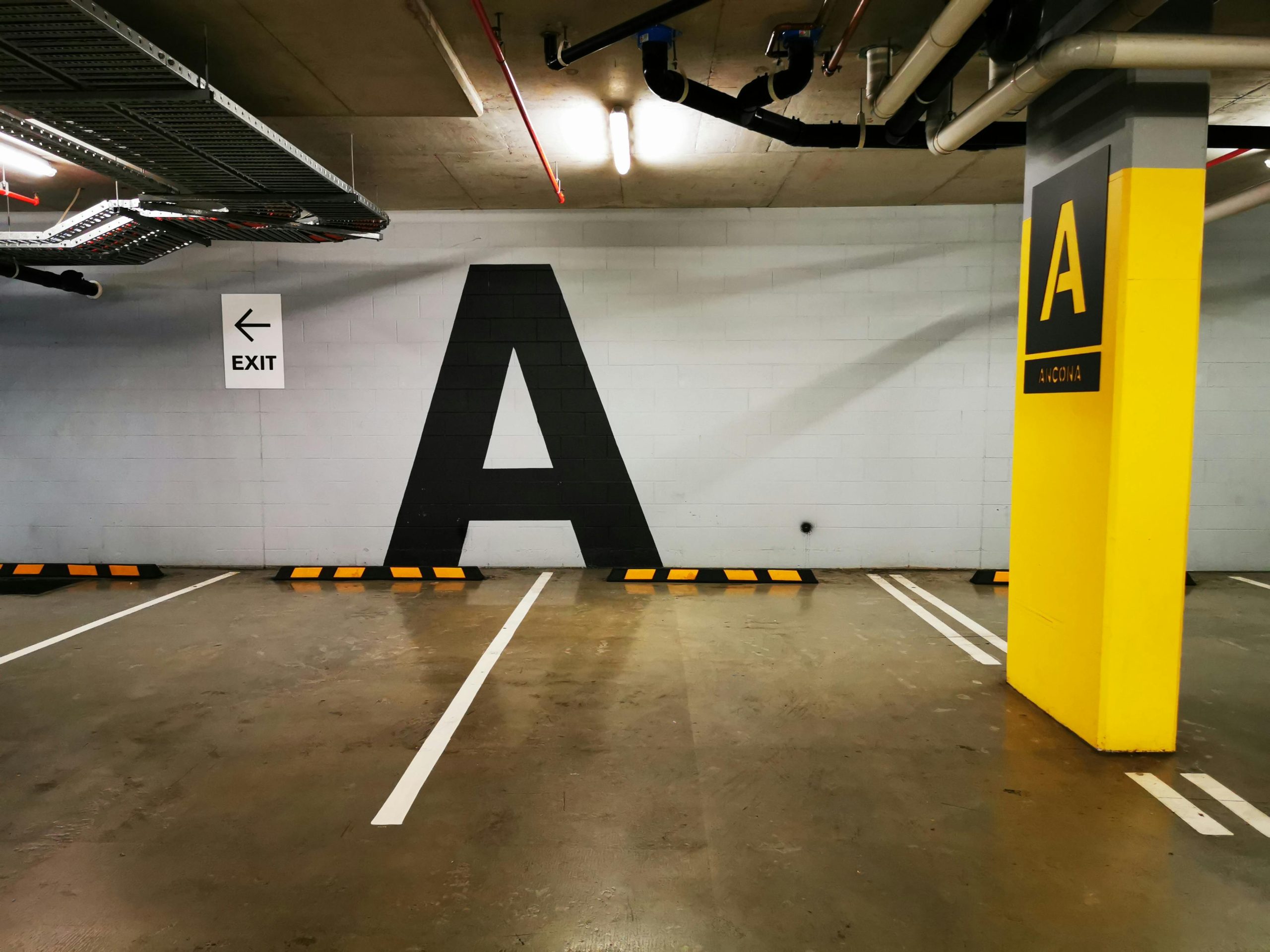
Are Basement Constructions Less Common in Australia? Exploring the Reasons
Basements are a familiar feature in many homes across North America, especially in the United States. Their presence often relates to regional factors such as climate and land use. For example, in certain parts of the U.S., basements originated as a protective measure against tornadoes, especially in the Midwest and the South. Over time, they have also become popular for additional living space, storage, or utility purposes.
Interestingly, when observing real estate listings in Australia, basements are rarely mentioned or visible. This raises the question: why are basements not a typical feature in Australian residential architecture?
Factors Influencing the Absence of Basements in Australian Homes
Geographic and Geological Conditions
One of the primary reasons is the geological makeup of Australia. The country’s soil and bedrock compositions vary widely but often include sandstone or other hard, stable minerals that make excavation challenging and costly. In many regions, the underground water table is also relatively high, complicating basement construction and increasing the risk of water ingress.
Climate Considerations
Unlike tornado-prone areas in the U.S., Australia generally does not face the same natural threats that necessitate underground shelter spaces. Consequently, the timeliness and economic justification for building basements are less compelling.
Construction Practices and Building Regulations
Australian residential building standards tend to prioritize above-ground living spaces. Foundations are often designed for stability without subterranean levels, especially given the additional costs and logistical challenges associated with basement construction.
Land and Planning Regulations
In densely populated urban centers such as Sydney and Melbourne, land use restrictions, height limitations, and planning policies tend to favor vertical rather than subterranean expansion. While this is somewhat similar to trends in cities like Los Angeles where space is at a premium, the strategies differ due to local building codes and land characteristics.
The Modern Trend in American Urban Developments
In contrast, certain American cities like Los Angeles are witnessing a rising popularity of basements. High land costs, strict height restrictions, and limited yard space motivate homeowners and developers to create underground areas to maximize usable space without expanding their property footprint. This approach provides additional living areas, storage, or even home offices, making efficient use of land in densely populated regions.
Conclusion
While basements are a common feature in many parts of North America, their rarity in Australia is largely attributable to geological, climatic, regulatory, and cultural factors. Understanding these regional differences offers valuable insight into how architecture adapts to local conditions, shaping the unique character of each country’s residential landscape.
For those interested in architectural design and regional building practices, understanding the factors that influence home features like basements can inform better planning, investment, and development decisions.