The Influence of American Culture War Politics on Australian Society: A Growing Concern
In recent years, many Australians have observed an increasing infiltration of American sociopolitical issues into our domestic landscape. This phenomenon appears to transcend individual opinions, shaping public discourse, political debates, and even social dynamics across the nation. As residents of Queensland and other Australian regions encounter the evolving nature of local politics, a question arises: to what extent are American culture war narratives influencing our society?
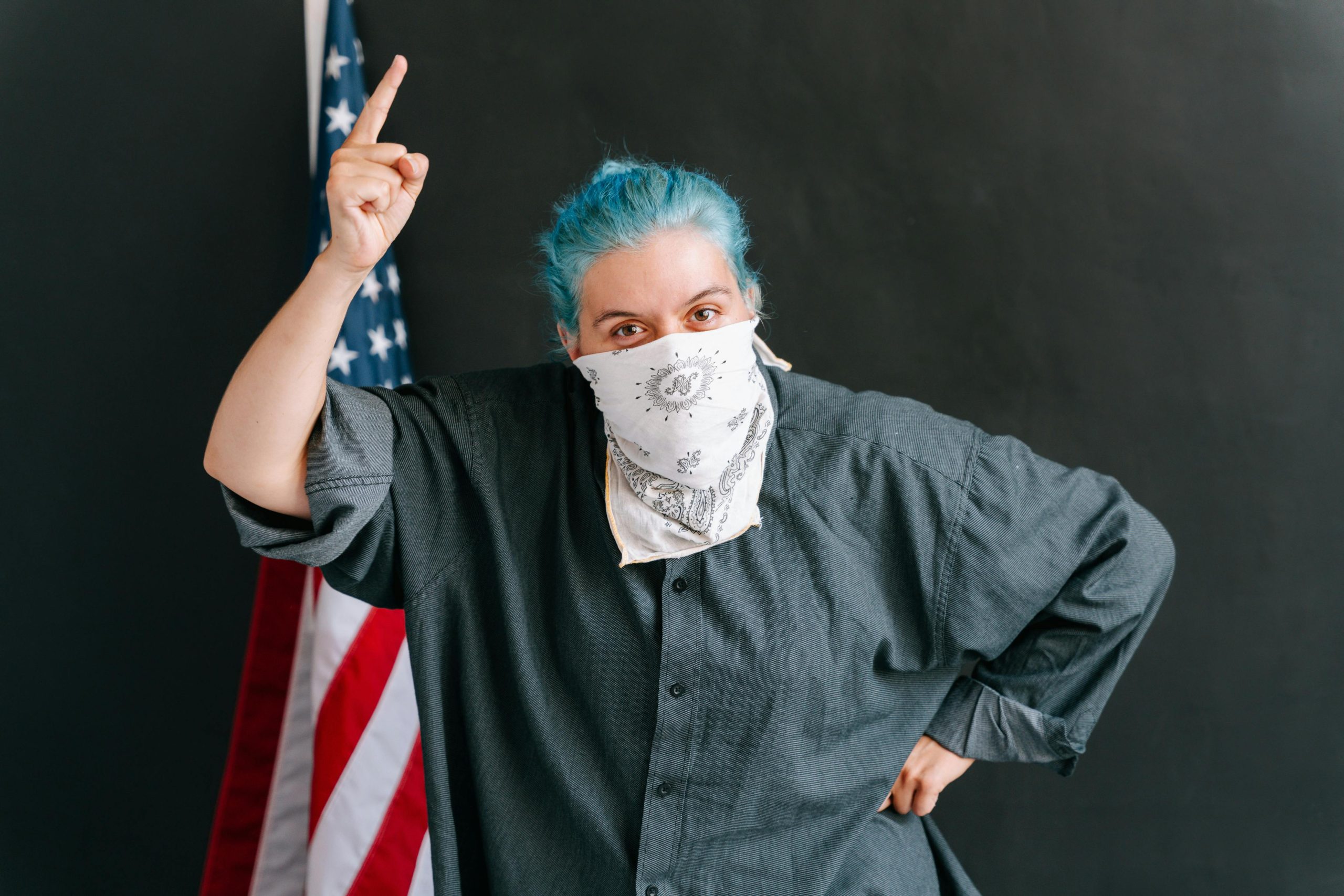
A noticeable trend involves the proliferation of American political events on Australian soil. For instance, the hosting of conservative conferences like the Conservative Political Action Conference (CPAC) within Australia reflects a broader adoption of American-style political engagement. Simultaneously, Australian political parties are adopting rhetoric and policy positions that echo U.S. conservative debates, such as efforts to restrict abortion rights using tropes aligned with the Republican platform.
Furthermore, there’s been a visible rise in American political figures touring Australia, alongside an increase in individuals within social circles and extended families adopting American political identities or supporting prominent U.S. figures such as Donald Trump. This includes adopting conspiracy theories and narratives that appear disconnected from Australia’s unique social and historical context. Legislative initiatives, like proposed “It’s OK to be White” bills, and the activities of organizations such as the Australian Christian Lobby endorsing controversial ideologies, further illustrate this influence.
Despite Australia’s long-standing history of grappling with issues like racism and homophobia, there is a sense that these problems are increasingly being framed through an American lens. Rhetoric often echoes American talking points rather than reflecting Australian realities or values, leading to a perception of cultural dissonance.
This trend is not limited to conservative spheres. Even among progressive communities, there is a tendency to adopt American social justice terminology—terms like “houselessness,” “People of Color (POC),” and others—that may feel somewhat disconnected from the Australian context or the ways communities here discuss similar issues. These imported narratives, statistics, and policies—while sometimes valid—can distort or oversimplify the complex social fabric of Australian society.
In the digital age, algorithms and social media platforms serve as conduits for this influence, often amplifying American cultural and political discourse among everyday Australians. The COVID-19 pandemic and the presidency of Donald Trump have accelerated this trend, seemingly reshaping perceptions and conversations beyond traditional borders.
This raises a critical question: is the dominant influence of American media and online propaganda obscuring genuine Australian societal concerns? Are we losing sight of our unique social, cultural, and political identity amid this influx of American-style discourse? Recognizing these patterns prompts reflection on how we can preserve the integrity of national conversations and ensure that Australian issues are addressed on their own terms.
While the global interconnectedness of today’s media landscape offers many benefits, it also necessitates a mindful approach to the narratives we absorb and promote. Understanding and resisting the unwelcome transfer of American culture war rhetoric into Australian discourse is vital to maintaining a society grounded in its own values and realities.