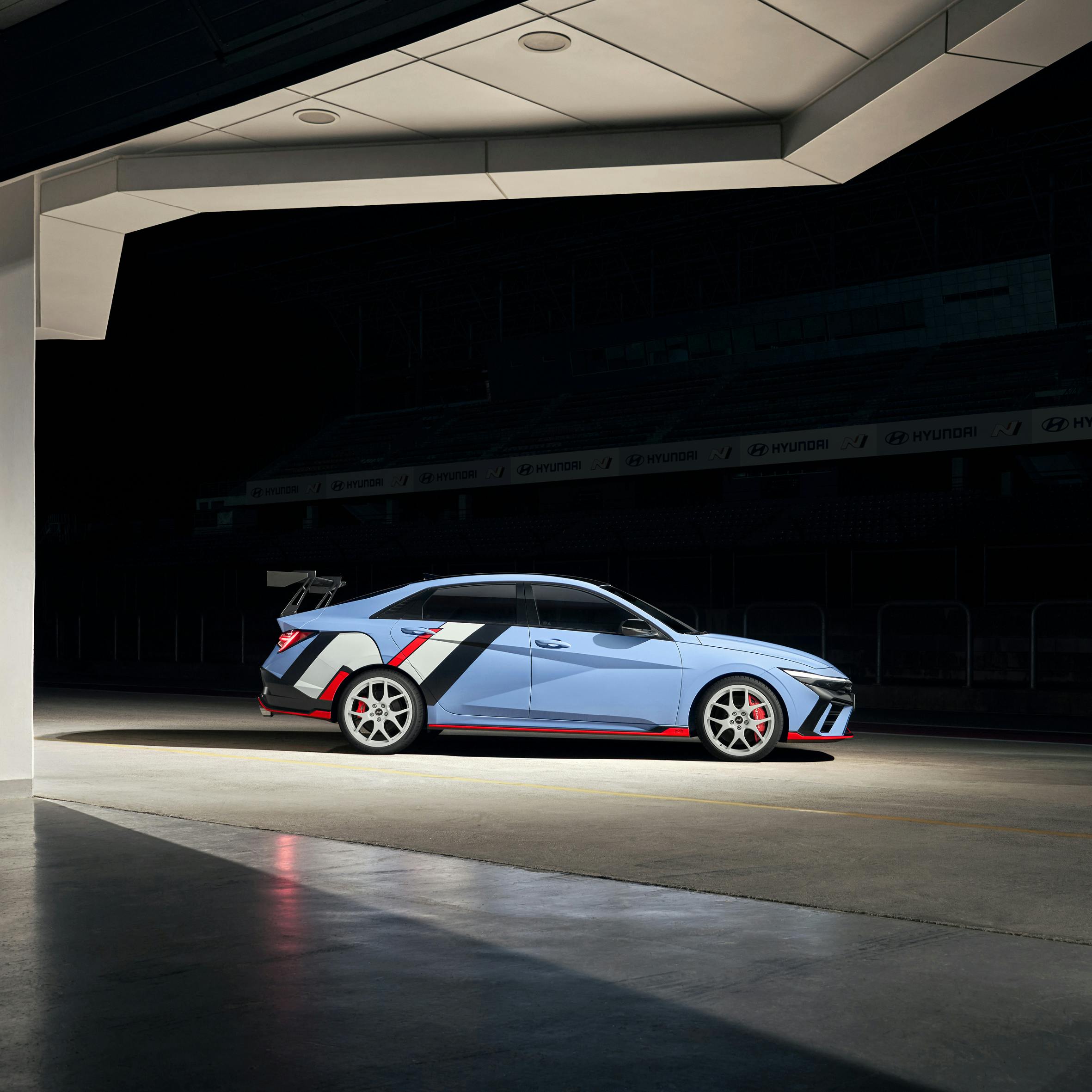
Experiencing Frustration with Speed Limit Assist in the Hyundai i30 N-Line 2025
The introduction of advanced driver assistance features in modern vehicles promises enhanced safety and convenience—yet, in some cases, they can also bring unexpected frustrations. Recently, I became the owner of a 2025 Hyundai i30 N-Line (base model, not the premium version), and I’ve encountered significant challenges with its Speed Limit Assist (SLA) system.
Initial Expectations vs. Reality
When investing in a new vehicle, especially at a substantial cost, we expect that all safety features will function smoothly and intuitively. The Hyundai i30 N-Line’s SLA was marketed as a helpful tool to manage speed regulation, but my experience has been quite the opposite. Instead of simplifying driving, the system often feels more like a source of constant distraction and annoyance.
Persistent False Alarms and Misreadings
One of the primary issues is how frequently the SLA misreads speed signals and sets off alerts unnecessarily. For instance, even during late-night hours outside of school zones—such as midnight—the system elevates warning sounds and messages, disrupting the driving experience without reason. These false alerts not only create irritation but also diminish trust in the system’s reliability.
Inconsistent Performance
The SLA’s performance appears to be inconsistent, failing to activate or function properly approximately 60% of the time. This unreliability makes the feature more of an obstacle than an aid, turning what should be a seamless safety feature into a source of frustration. Such inconsistent behavior complicates the driving process and can be distracting, especially during longer trips or in complex traffic scenarios.
Software Limitations and Lack of Customization
Adding to the inconvenience, my vehicle operates on older software versions. This limits my ability to customize settings or mitigate issues, such as setting shortcut buttons to quickly mute alerts—a feature available in updated software versions that require a specific hold-duration toggle. Until a software update is implemented, these limitations remain unresolved.
The Lack of Turn-Off Options
Perhaps the most surprising aspect is the apparent inability to disable the SLA entirely. It’s puzzling that such a system, which in some applications can be turned off, remains permanently active or impossible to deactivate through standard settings. This rigidity can be frustrating for drivers who prefer full control over their vehicle’s features, especially when the system’s performance is subpar.
Reflections and Next Steps
Experiencing these issues has left me feeling not just disappointed but somewhat blindsided—like a “sucker punch” after making what I believed was a well-informed purchase. It raises broader questions about the consistency of feature implementation and user control in modern vehicles.
Conclusion
While advanced driver assistance systems are designed to elevate safety and convenience, their successful integration depends heavily on software reliability, user flexibility, and transparency. If you’re considering a vehicle equipped with similar features, I recommend thoroughly researching their performance, software update policies, and customization options beforehand. For current owners facing these challenges, staying in contact with the manufacturer and requesting software updates or feature adjustments may help alleviate some frustrations.
Have you experienced similar issues with driver assistance systems? Share your stories and solutions below.