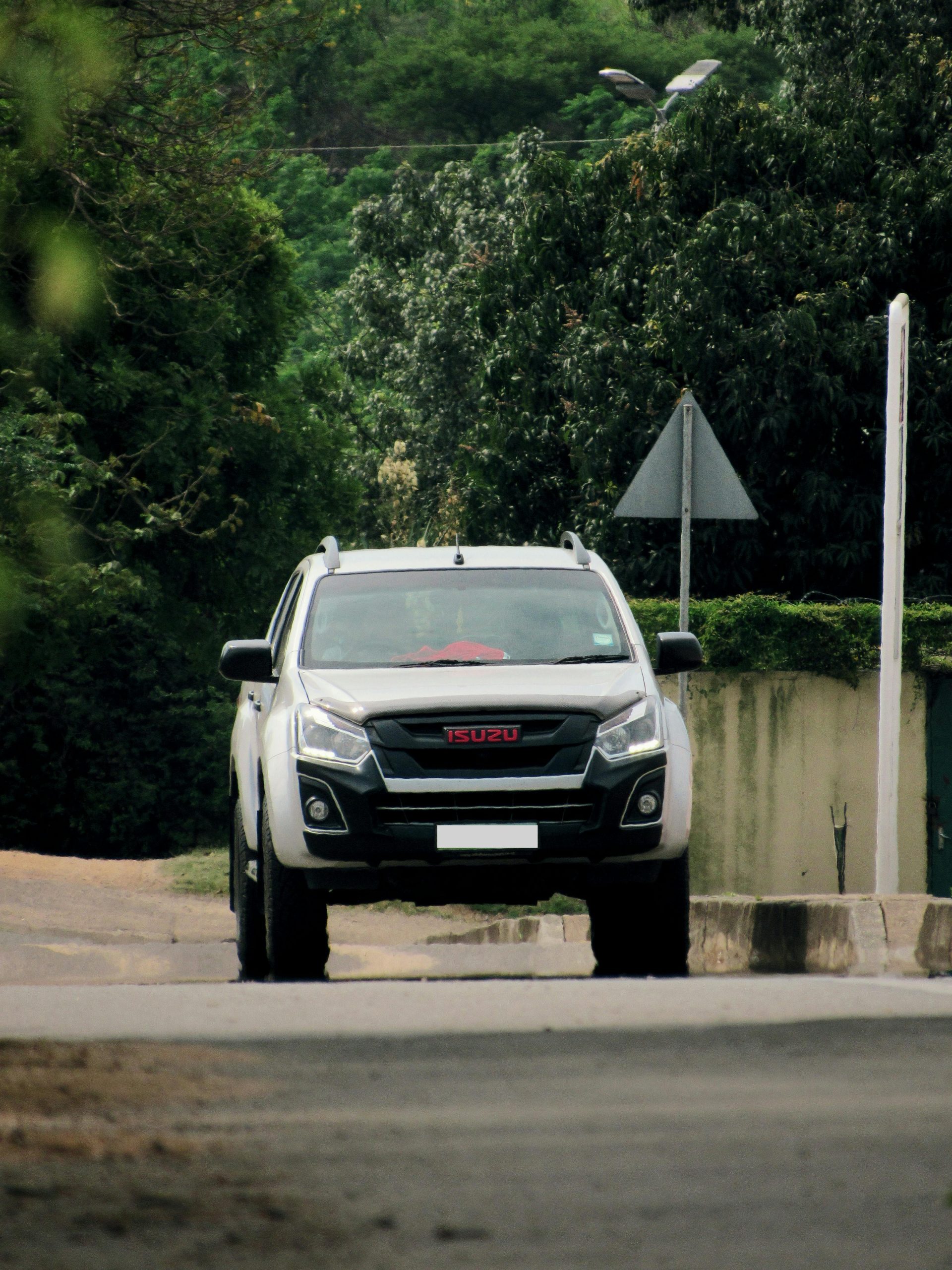
Understanding Car Insurance Options for a 2011 Isuzu D-Max: A Guide for Vehicle Owners
Purchasing a reliable vehicle is an exciting milestone, especially when aiming for longevity and cost-effectiveness. If you’ve recently acquired a 2011 Isuzu D-Max or are considering one, understanding your insurance options is a crucial step toward protecting your investment. This guide aims to clarify the different types of car insurance available and help you make an informed decision based on your specific circumstances.
Introduction
For many vehicle owners, especially those accustomed to older, used vehicles, the topic of car insurance can seem complex. Whether you’re a seasoned driver or new to vehicle ownership, choosing the right coverage involves balancing potential expenses against the level of protection you desire. This is particularly relevant when purchasing a used ute like the 2011 Isuzu D-Max, a model appreciated for its durability and practicality.
Consider Your Personal Situation
Age and Location: As a 31-year-old male residing in Queensland, you might have specific considerations, such as regional theft rates or driving habits, influencing your insurance choices.
Vehicle Type and Usage: The Isuzu D-Max is a manual transmission vehicle. While manual gearboxes can sometimes discourage opportunistic thieves, it’s important to assess how this factor impacts your insurance premiums and coverage options.
Insurance Types Explained
-
Comprehensive Insurance
Comprehensive coverage provides the broadest protection, covering damage to your vehicle regardless of fault, as well as damage to other vehicles and property. It often includes benefits like roadside assistance, rental car coverage, and protection against theft, vandalism, or natural disasters. Although premiums are higher, comprehensive insurance offers peace of mind for those who want to safeguard their investment fully. -
Fire and Theft Insurance
Fire and theft coverage is a more focused policy that protects you against specific risks. It typically covers damage caused by fire, as well as loss or theft of the vehicle. This option can be more affordable and might suit drivers of older or less valuable vehicles, or those looking to minimize costs.
Should You Opt for Comprehensive Insurance?
Deciding whether comprehensive insurance is worth the extra expense depends on several factors:
- Vehicle Value: The Isuzu D-Max, though durable, depreciates over time. Assess if the cost of comprehensive coverage aligns with the current value of your vehicle.
- Driving Habits: If you regularly commute or travel long distances, full coverage might be advisable.
- Theft Risk: Given that Queensland has identified theft as a concern in some areas, comprehensive insurance can provide added security. However, features like manual transmission might reduce theft risk, potentially lowering premiums.
- Financial Situation: Consider your ability to absorb repair or replacement costs out-of-pocket in case of an incident.
Cost-Saving Tips
- Shop Around: Obtain quotes from multiple insurers to find the best rates for the coverage level you need.
- Increase Deductibles: A higher deductible can reduce premium costs but requires available funds in case of claim.
- Safety Features: Installing anti-theft devices and safety equipment can sometimes lower your premiums.
- Review Policy Details: Ensure you understand what each policy covers and any exclusions.
Conclusion
Selecting the right car insurance for your 2011 Isuzu D-Max involves evaluating your personal circumstances, financial situation, and risk tolerance. Comprehensive coverage offers extensive protection and peace of mind, especially if your vehicle is still relatively valuable or if theft risk is a concern. Alternatively, fire and theft policies might suffice if cost-saving is a priority and you’re confident in your vehicle’s security features.
Always take the time to compare different insurance providers and carefully review policy conditions to ensure you choose the coverage that best suits your needs. Protecting your vehicle is an essential part of responsible ownership, and informed decisions today can save you money and headaches in the future.
Disclaimer: This article is for informational purposes only and does not constitute insurance advice. Always consult with a registered insurance broker or provider to determine the most suitable coverage for your specific situation.