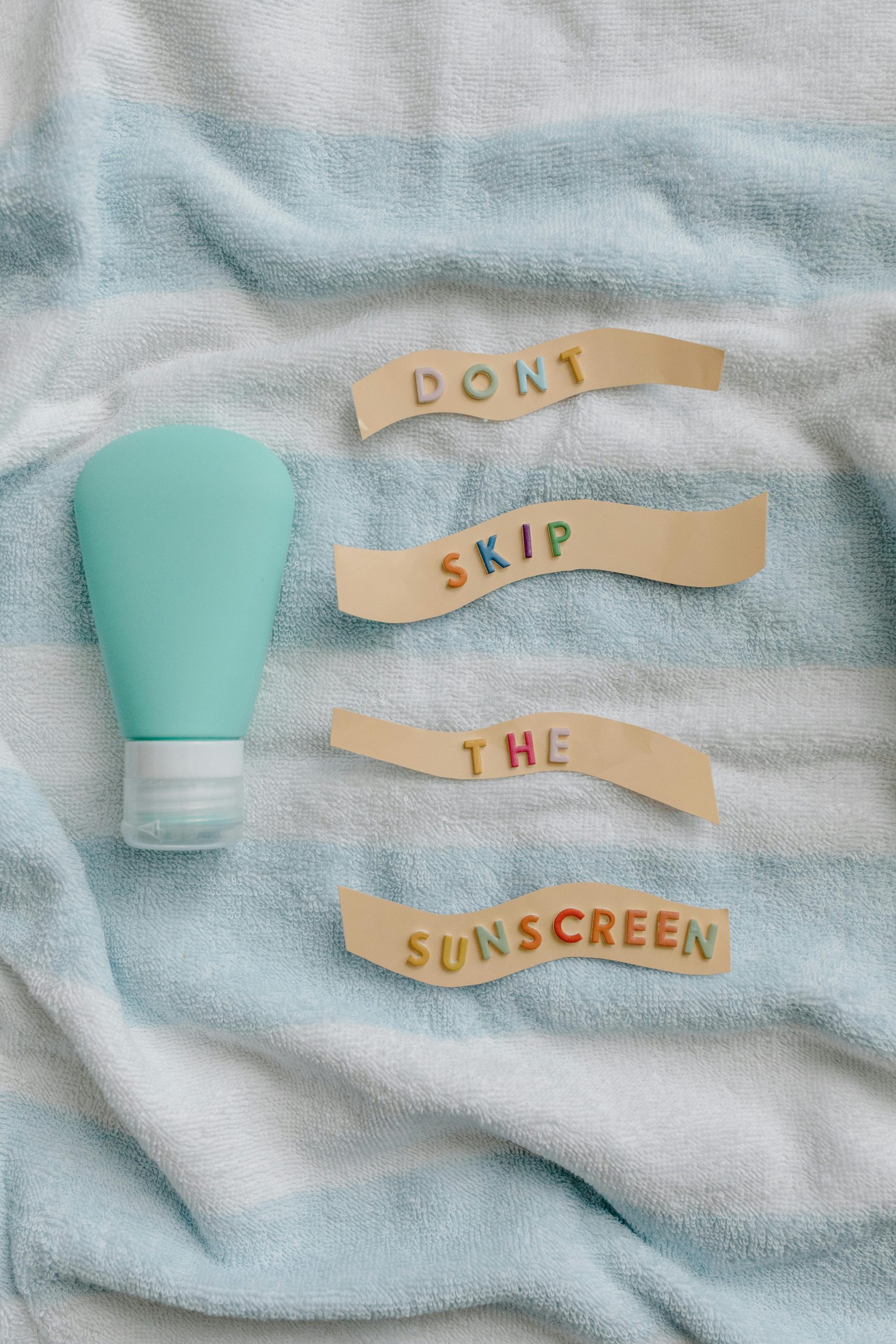
Choosing the Right Sunscreen for Summer: Tips and Recommendations for a Light, Non-Greasy SPF50+ Option
As the summer season approaches, ensuring skin protection becomes increasingly important. Selecting an effective sunscreen that feels comfortable and suits your skin type can be a challenge, especially when many high-SPF options tend to be thick or greasy. If you find yourself frustrated with sunscreens that leave a greasy residue or are difficult to apply, you’re not alone. Here’s a guide to help you navigate your options and find a lightweight, non-greasy SPF50+ sunscreen suitable for everyday use.
Understanding the Common Challenges with SPF50+ Sunscreens
Many consumers report that high-SPF sunscreens, particularly those labeled SPF50 or higher, often have a thick consistency and a greasy feel. This can lead to discomfort during application and may discourage consistent use—an essential factor in effective sun protection. Some popular brands, including Cancer Council and Banana Boat, offer a range of formulations; however, not all appeal to those seeking a lighter touch.
Product Formats and Their Pros and Cons
- Creams and Lotions: Traditional sunscreen products are usually available as creams or lotions. While effective, they often have a heavier texture, especially in higher SPF varieties.
- Aerosol Sprays: Brands like Banana Boat offer spray formulations, which can be quick and convenient. However, sprays may be uneven if not applied carefully and could lead to product wastage or inhalation concerns.
- Facial Sunscreens: Specially formulated face sunscreens, such as Le Tan Sensitive Face Sun Protection, tend to have a lighter, more comfortable feel. These are often free from fragrances and oils, making them suitable for sensitive skin.
Tips for Selecting a Suitable Sunscreen
- Look for Labels Indicating Lightweight Formulations: Many brands now offer “sheer,” “instant absorb,” or “matte” finishes designed to minimize greasiness.
- Opt for Mineral or Chemical Formulations Suited to Your Skin: Mineral sunscreens with zinc oxide or titanium dioxide often provide a matte finish, while chemical sunscreens can be lightweight.
- Consider Water-Resistant Options: Especially if you’ll be swimming or sweating, water-resistant formulas help maintain protection and reduce reapplication.
- Test Different Brands: Personal preference plays a significant role, so try various formulations to find the one that feels best on your skin.
**Recommended Products for a Light, Non-Gre