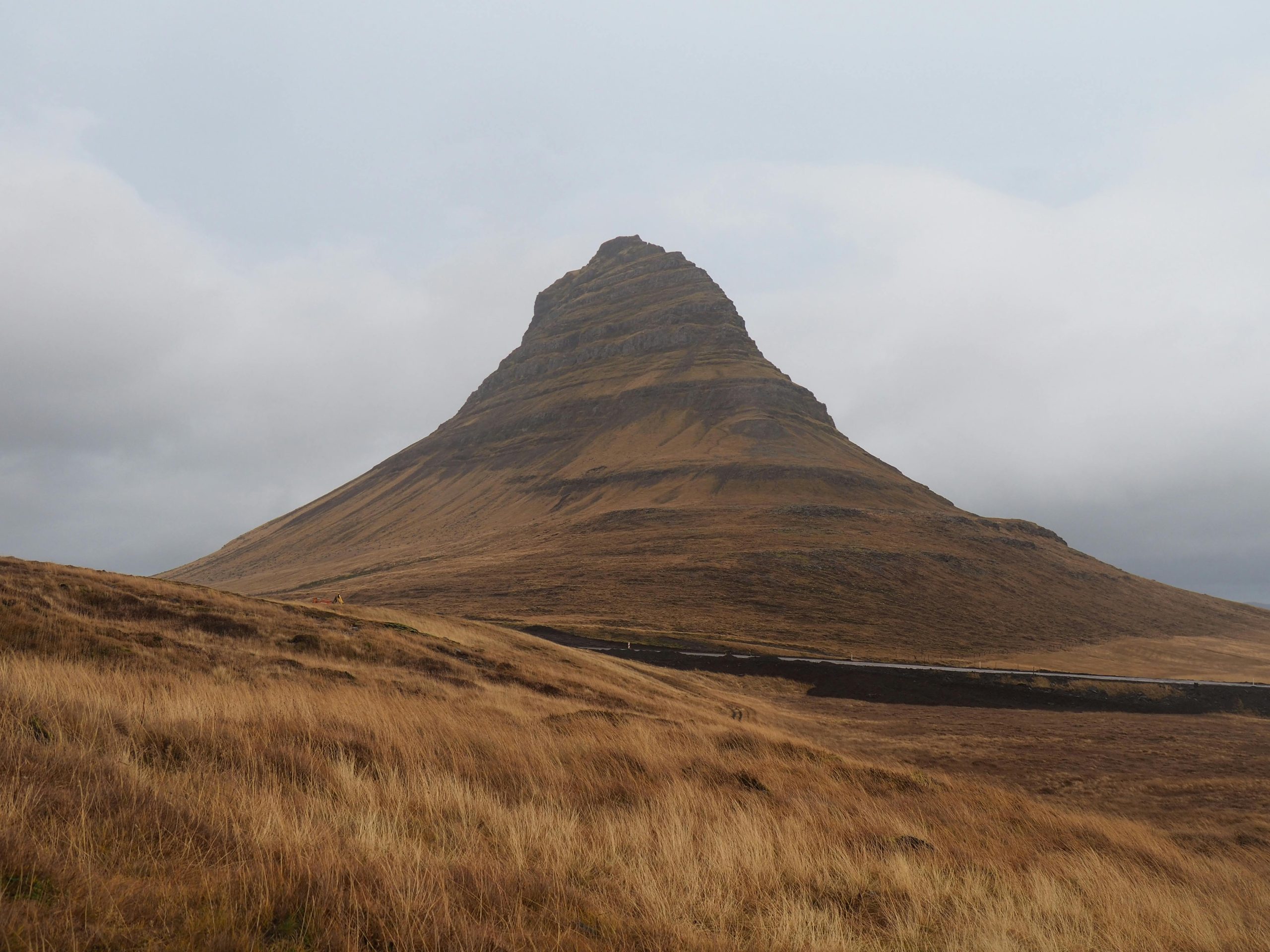
Investing in Rural Land for Conservation: Insights and Considerations
Embarking on a journey to acquire rural land with the primary goal of conservation is an admirable and increasingly common endeavor. For individuals and families passionate about safeguarding native ecosystems, protecting wildlife, and fostering biodiversity, this path offers both meaningful impact and personal fulfillment. However, before diving into such a significant commitment, it is essential to understand the practicalities, legal frameworks, and potential challenges involved. This article explores key considerations for those interested in purchasing land for conservation purposes, drawing on experiences and expert advice to help inform your decision-making process.
Defining Your Conservation Goals and Scope
Before identifying suitable properties, clarify your objectives. Are you aiming to preserve existing native vegetation, restore degraded habitats, or create corridors to connect fragmented ecosystems? Understanding whether your focus is solely on conservation, lifestyle, or a combination will influence land selection, management strategies, and long-term planning.
Selecting Appropriate Land: Location and Condition
Potential areas include the ranges or coastlines of New South Wales, Victoria, and other parts of Australia. Preference often goes to land that remains largely uncleared and under native vegetation, as transforming cleared farmland back into natural habitat can require extensive resources and time. When evaluating properties, consider soil quality, topography, access to water, and proximity to conservation facilities or communities engaged in similar efforts.
Financial and Ongoing Management Considerations
Owning land for conservation involves recurring costs that must be factored into your plans:
- Rates and Taxes: Understand local government levies and whether land qualifies for conservation rate concessions or rebates.
- Bushfire Mitigation: Develop and maintain firebreaks, access routes, and hazard management plans to protect both the land and neighboring communities.
- Fencing and Infrastructure: Secure boundaries to prevent trespassing and invasive species incursions, and maintain access tracks.
- Insurance: Adequate coverage for bushfire, flood, and liability is essential, especially when human activity or eco-tourism is involved.
- Maintenance: Regular upkeep of fencing, tracks, water sources, and native plantings is vital to long-term success.
Some newcomers may find these ongoing commitments surprising; engaging professional land managers or ecologists can streamline operations.
Legal Mechanisms for Long-Term Conservation
Ensuring that your land remains protected beyond your ownership is crucial. Several legal tools facilitate enduring conservation:
- Conservation Covenants: Legally binding agreements registered on the land title, restricting development and land