Assessing the Safety Risks of Bare Phone Line Wires Contacting Stobie Poles During Storm Events
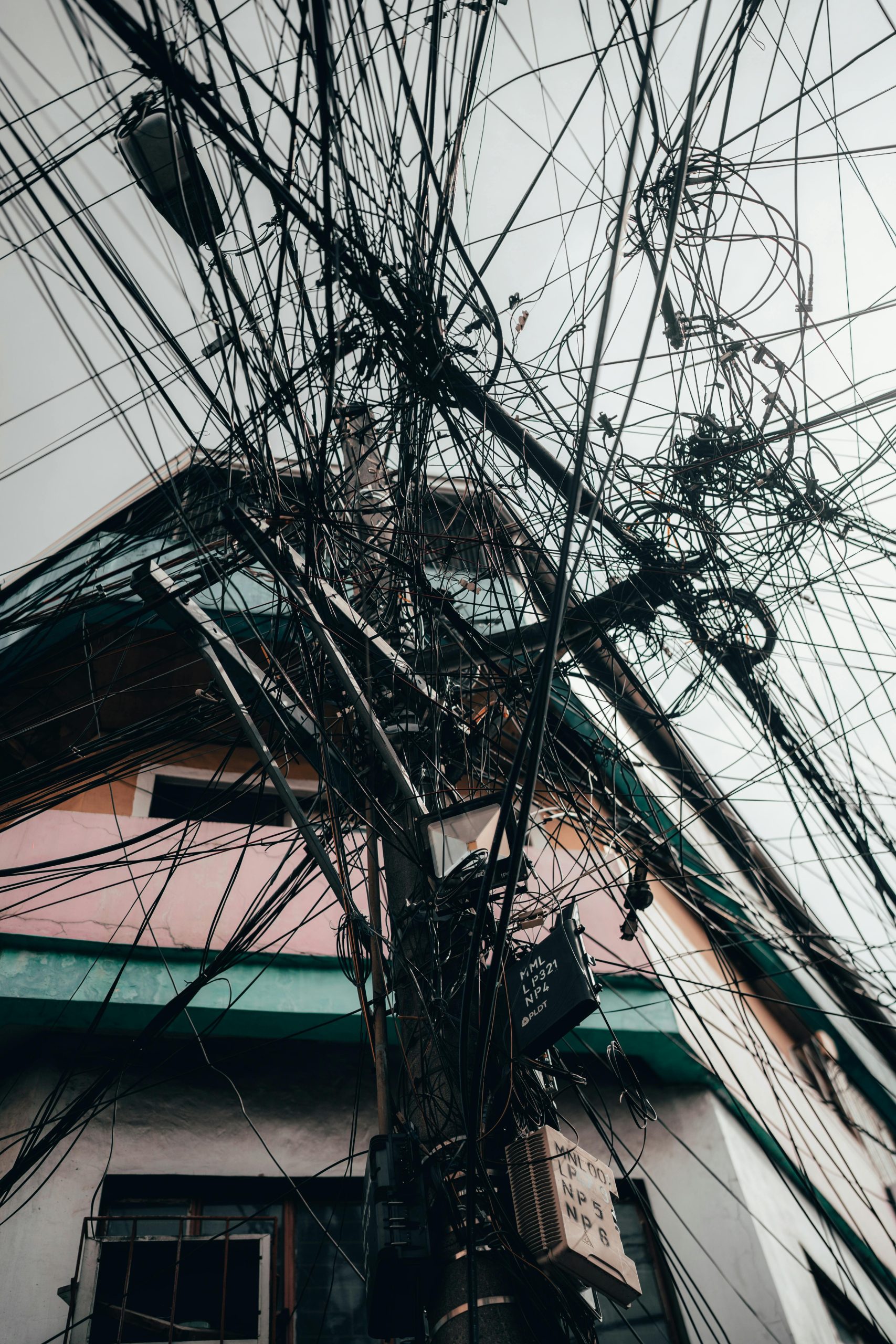
Recently, a mild storm caused some disruptions to the local telecommunications infrastructure. Specifically, the storm resulted in a section of phone lines, which run through nearby trees, becoming loosened or displaced. In the aftermath, it was observed that the telephone wires appear to be in contact with a nearby Stobie pole, with sections of the wire now exposed or ‘bare.’
Understanding the potential safety implications of this situation is essential for ensuring public safety and maintaining reliable telecommunications services. While the contact between bare wires and utility poles might seem minor, it raises important questions regarding electrical safety, risk of service interruption, and the responsibilities of utility providers—particularly NBN Co., which manages the broadband infrastructure in many areas.
Potential Hazards of Bare Wires Contacting Utility Structures
-
Electrical Conductivity and Safety Risks:
Though telephone lines generally operate at low voltage levels, exposed or damaged wiring contacting metallic structures like Stobie poles may pose safety concerns. In the event of secondary faults or if the wires were to carry higher voltage levels (such as power lines), this contact could increase the risk of electrical hazards, including shocks or fire. -
Interruption of Services:
Dislodged or damaged wiring can lead to service outages or degraded performance. For residents relying on NBN broadband, such displacements could affect internet stability and communication capabilities. -
Damage to Infrastructure:
Continuous contact between wires and poles can cause wear and deterioration of the cables or the pole itself over time, potentially leading to more severe infrastructure failures.
Recommended Actions
-
Report the Issue to Authorities:
It is crucial to notify NBN Co. or the relevant telecommunications service provider promptly. Their technicians are trained to assess and rectify such hazards safely. -
Avoid Physical Contact:
Residents and passersby should steer clear of the area and avoid attempting to modify or repair the wires themselves. -
Schedule Inspection and Repairs:
Utility companies typically prioritize such issues, especially if there is a risk of electrical hazards. A professional assessment will determine whether repairs are necessary and ensure the safety of the infrastructure.
Conclusion
While the situation might appear minor initially, the presence of bare wires in contact with Stobie poles—especially following storm events—warrants immediate professional evaluation. Ensuring that telecommunications infrastructure remains intact and safe protects both service continuity and public safety. If