Australian Defence Officials Clarify F-35 Jet Part Shipments Amidst International Supply Chain Concerns
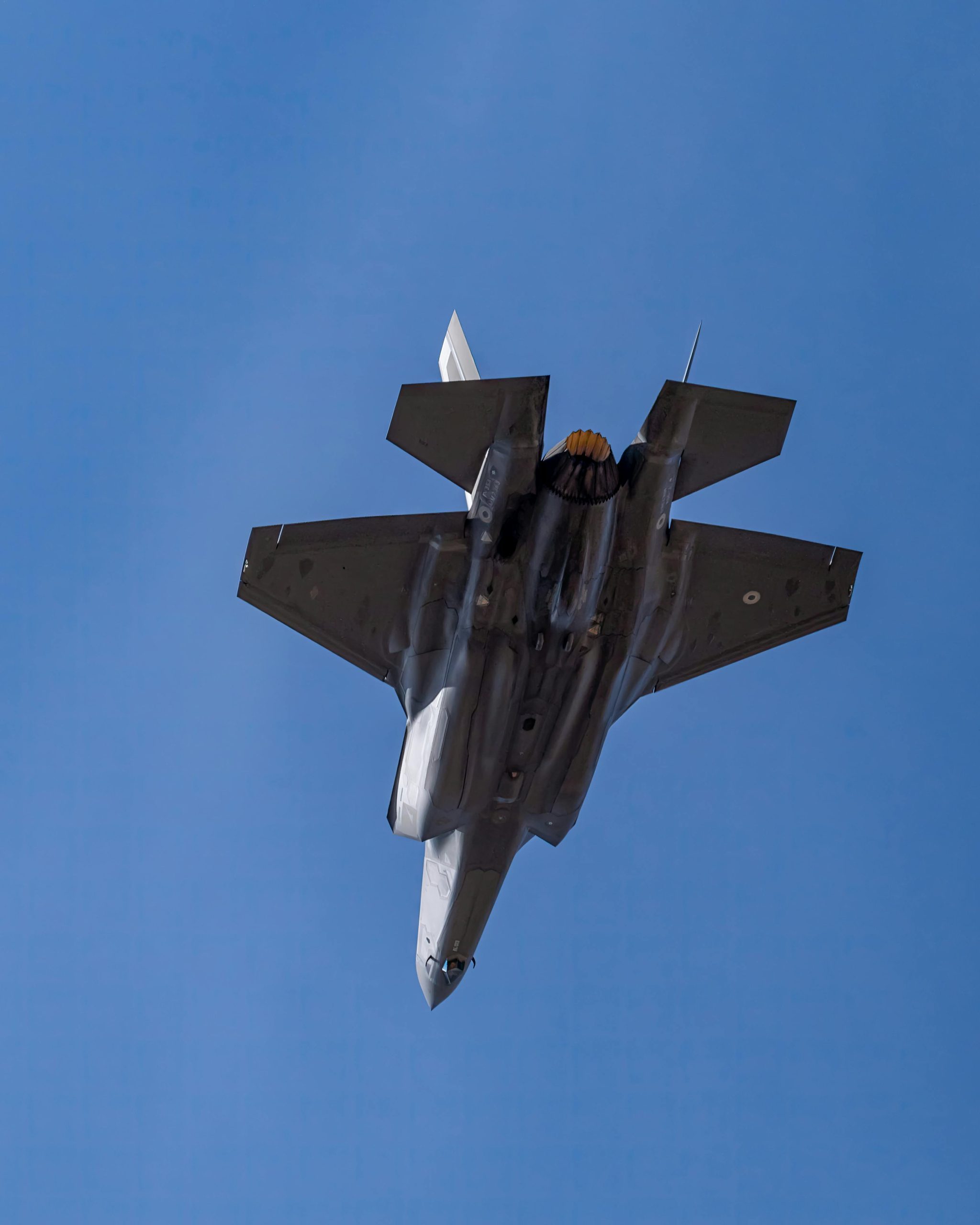
In a recent development at a Senate estimates hearing, Australian defence officials addressed concerns regarding the shipment of F-35 fighter jet components from Australia to Israel. The officials emphasized that the parts in question are owned by Lockheed Martin, the primary manufacturer of the F-35, and clarified Australia’s role in the supply chain.
Key Details of the Report
It has been reported that between October 2023 and September 2025, at least 68 shipments of F-35 components were transported from Australia to Israel. These allegations have raised questions about Australia’s involvement in the international transfer of military equipment, especially amidst the ongoing Gaza conflict.
Australia’s Role in the F-35 Global Supply Chain
Australia is a significant participant in the F-35 program, contributing to a worldwide network of manufacturing and assembly. The components shipped to Israel are believed to be part of this broader supply chain, which is operated under the oversight of Lockheed Martin and the United States government. Australian manufacturers produce non-lethal parts that are integrated into the F-35 fleet globally, and these are managed through a centralized coordination system.
Government’s Stance on Military Exports
Labor government ministers have consistently stated that Australia has not exported any weapons or military parts to Israel since the escalation of hostilities in Gaza began in October 2023. They have reiterated that the F-35 components supplied from Australia are non-lethal and are part of the standard supply chain managed jointly by Lockheed Martin and the US authorities.
Implications and Ongoing Oversight
This clarification underscores Australia’s adherence to international export controls and defense regulations. As global tensions continue, the Australian government remains vigilant in ensuring that its contributions to international defence projects are transparent and compliant with legal frameworks.
Conclusion
The recent discussions highlight the complexities of international military supply chains and Australia’s role within them. While participating in essential defence manufacturing, Australia strives to maintain clarity regarding its exports, ensuring alignment with both national and international standards.
As the situation develops, further official statements and reviews are anticipated to provide additional clarity on Australia’s involvement in the international defence market.