Transforming a neglected cattle property into a thriving wildlife habitat: A 13-year journey of rewilding
Introduction
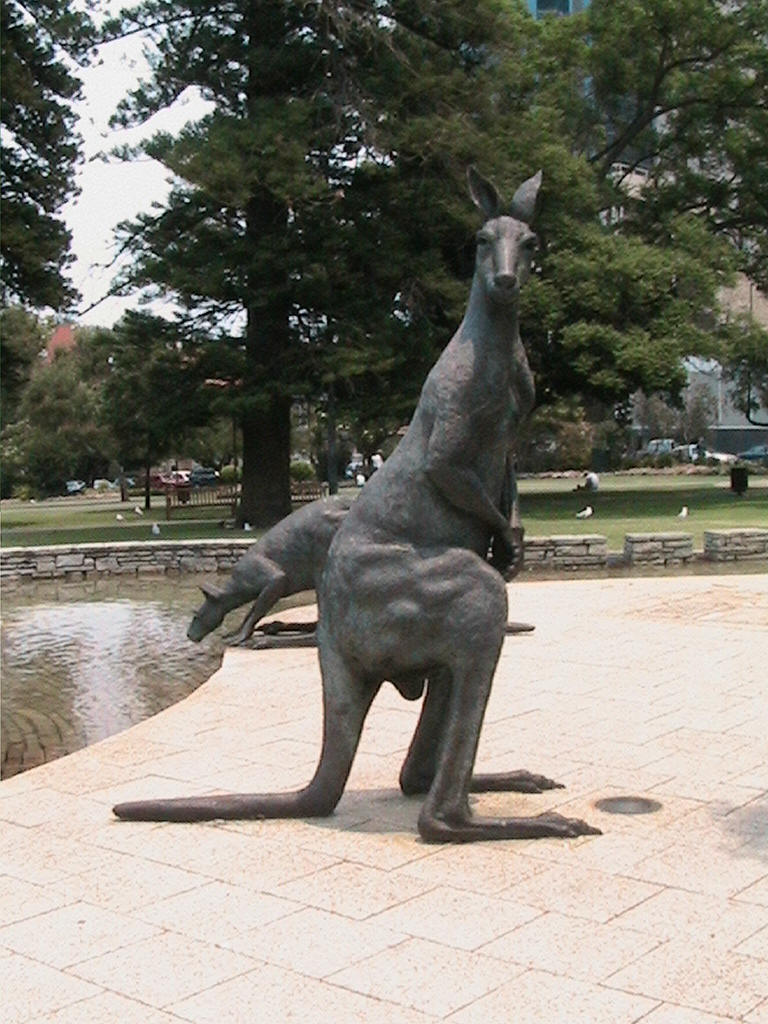
Twelve years ago, my partner and I embarked on a life-changing adventure. We purchased a neglected, overgrazed cattle property, initially seeking a peaceful sanctuary away from city life. At the time, the land was largely barren, with only a few kangaroos and wombats calling it home. Little did we know how much effort and patience would be required to restore its natural beauty and biodiversity. Today, we celebrate the incredible transformation achieved through dedicated rewilding efforts, witnessing a remarkable return of native wildlife and plant life.
Initial Challenges and Misconceptions
As city dwellers new to rural property ownership, we often relied on information provided by real estate agents. One keen oversight was believing they assured us that the land had no significant weed problem. Was naive then—an oversight that prompted us to take proactive measures. Our journey has involved years of clearing invasive weeds, controlling feral animals, and allowing the land to heal naturally.
Restoration and Wildlife Revival
Slowly but surely, the landscape began to recover. Native trees started to grow, providing essential habitat for various species. Over the years, we’ve watched an impressive resurgence of native animals and birds, including kangaroos, wombats, red-necked wallabies, echidnas, bandicoots, and even platypuses.
The birdlife is particularly vibrant. We are treated to the sounds of lyrebirds almost daily. Though elusive and wary of human presence, their remarkable songs and behaviors enrich our lives. To capture these moments, I’ve dedicated myself to photographing and recording their calls. This pursuit has involved dressing in camouflage, moving quietly through the forest, and carrying an extensive 600mm lens—an endeavor often akin to Wile E. Coyote pursuing the Roadrunner.
Wildlife Monitoring and Unique Behaviors
A highlight of our rewilding project has been setting up wildlife cameras near ceremonial mounds created by lyrebirds. Male lyrebirds dig these mounds to serve as stages for elaborate dance displays and vocal performances aimed at attracting mates. Their songs are complex, often mimicking other bird species, with the most talented imitating multiple calls simultaneously.
In a recent footage clip captured from the camera, we observe a fascinating array of species participating in this avian theatrical. The scene features kookaburras, wattlebirds, whipbirds, yellow-tailed