We need to examine the true cost—not just in terms of finances, but to our society as a whole—when the wealthiest among us receive support to amass even greater wealth.


We need to examine the true cost—not just in terms of finances, but to our society as a whole—when the wealthiest among us receive support to amass even greater wealth.
You must be logged in to post a comment.

Can anyone help me identify this drink? I’m not sure who to ask, so I apologize if this type of post isn’t allowed. Back in September, I visited Australia and
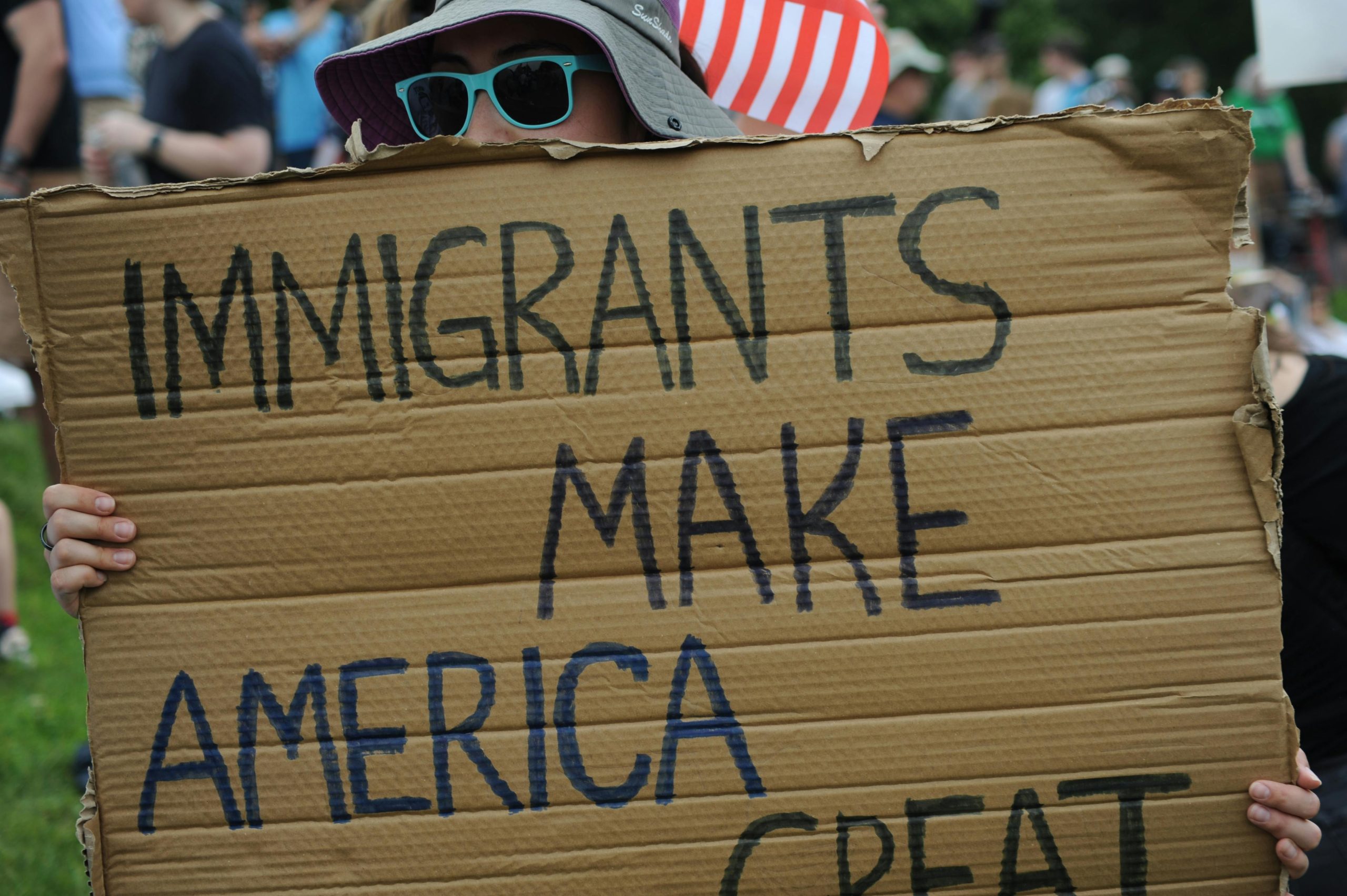
Analyzing Trends in Immigration Patterns to Australia: A Closer Look Australia has long been a diverse and multicultural nation, attracting individuals from around the world seeking new opportunities and a

Project Caymus: Military Fuel Tanks Constructed Illegally at Darwin Harbour Author: audadmin
That’s a thought-provoking question. The cost to society when wealth is concentrated among the richest can be profound. Firstly, it can exacerbate income inequality, leading to social tensions and divisions. When resources become increasingly scarce for the majority, it can hinder access to essential services like education and healthcare, perpetuating cycles of poverty.
Moreover, when wealth is primarily accumulated by a small fraction of the population, it can undermine democracy. Political influence tends to follow money, meaning that the interests of the many may be sidelined in favor of the few. This can result in policies that favor the wealthy, further entrenching inequality.
Additionally, investing in the wealthy does not always lead to reinvestment in the broader economy. The trickle-down effect often fails to materialize as wealth is hoarded rather than spent or reinvested in local communities. This stifles economic growth and innovation that could benefit society as a whole.
In considering these factors, it becomes clear that the broader implications of policies that favor the rich extend far beyond economic metrics. They can impact social cohesion, democratic processes, and overall societal well-being. It’s crucial to engage in a more equitable approach to wealth distribution to foster a healthier, more inclusive society.