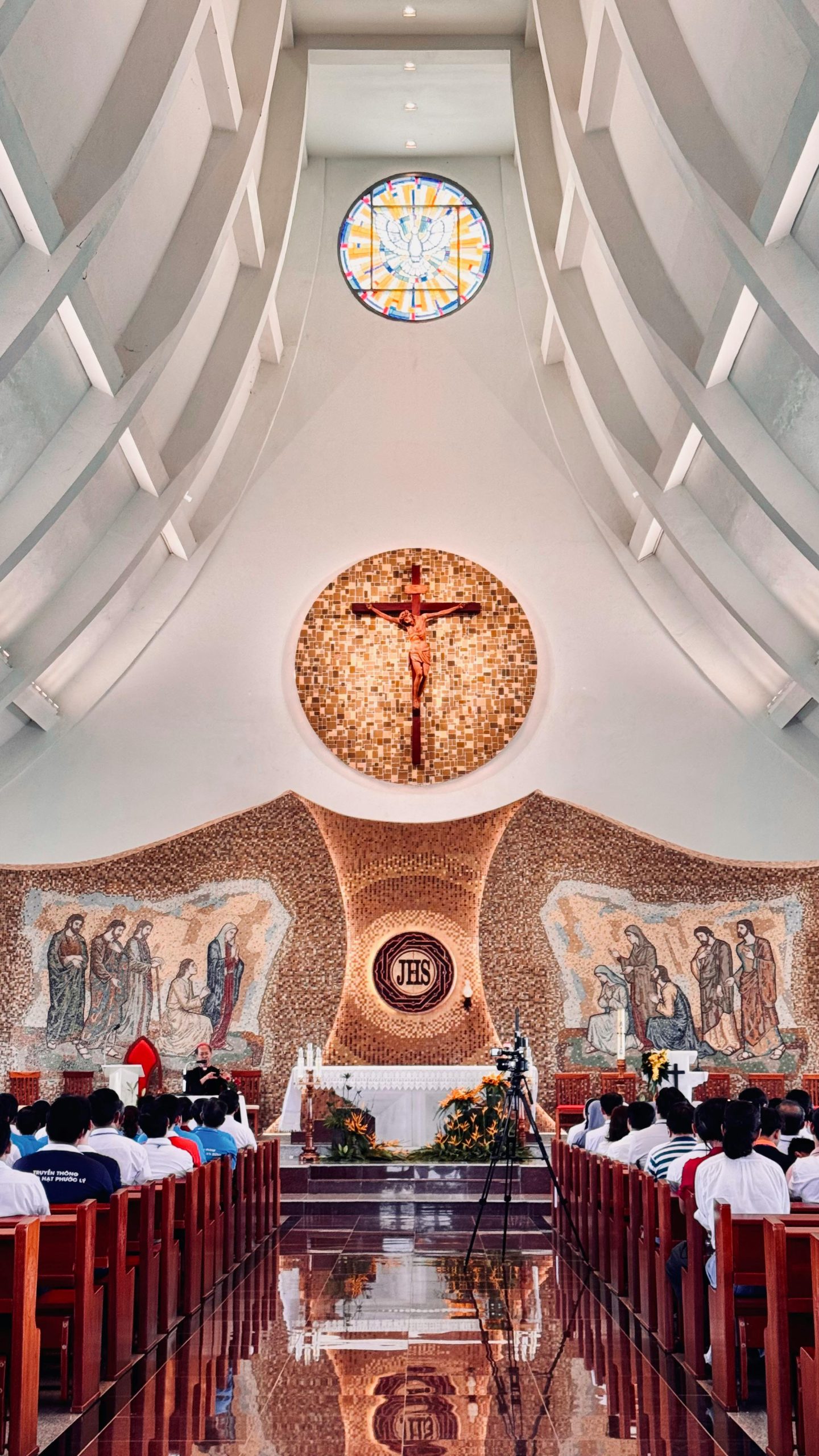
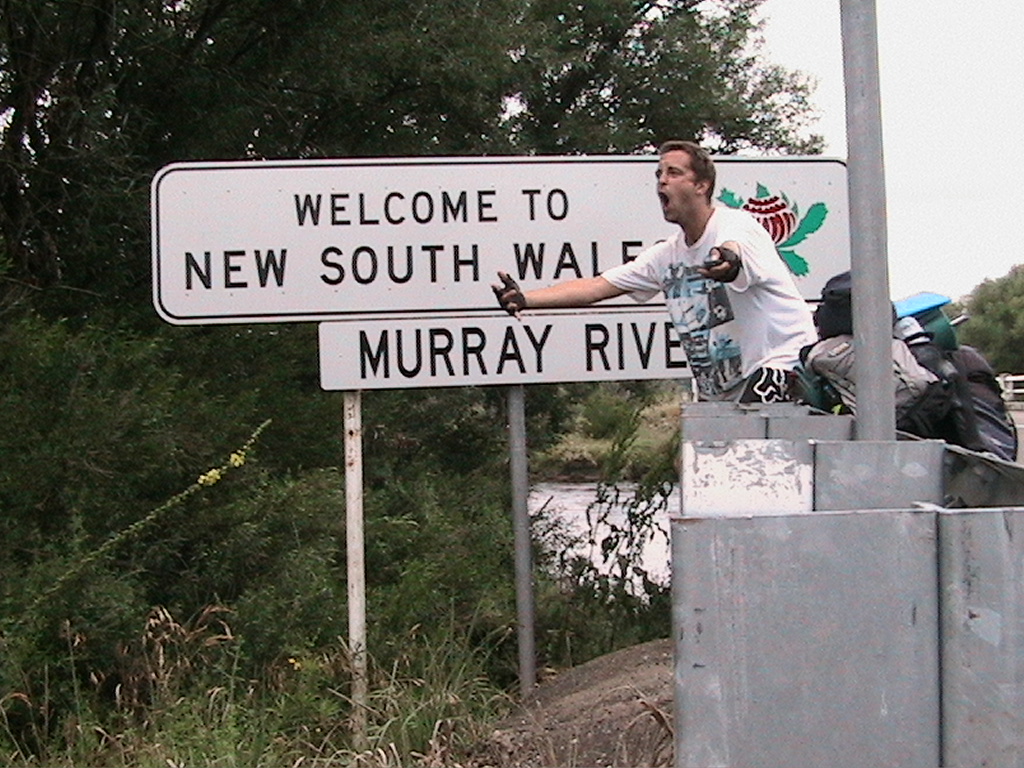
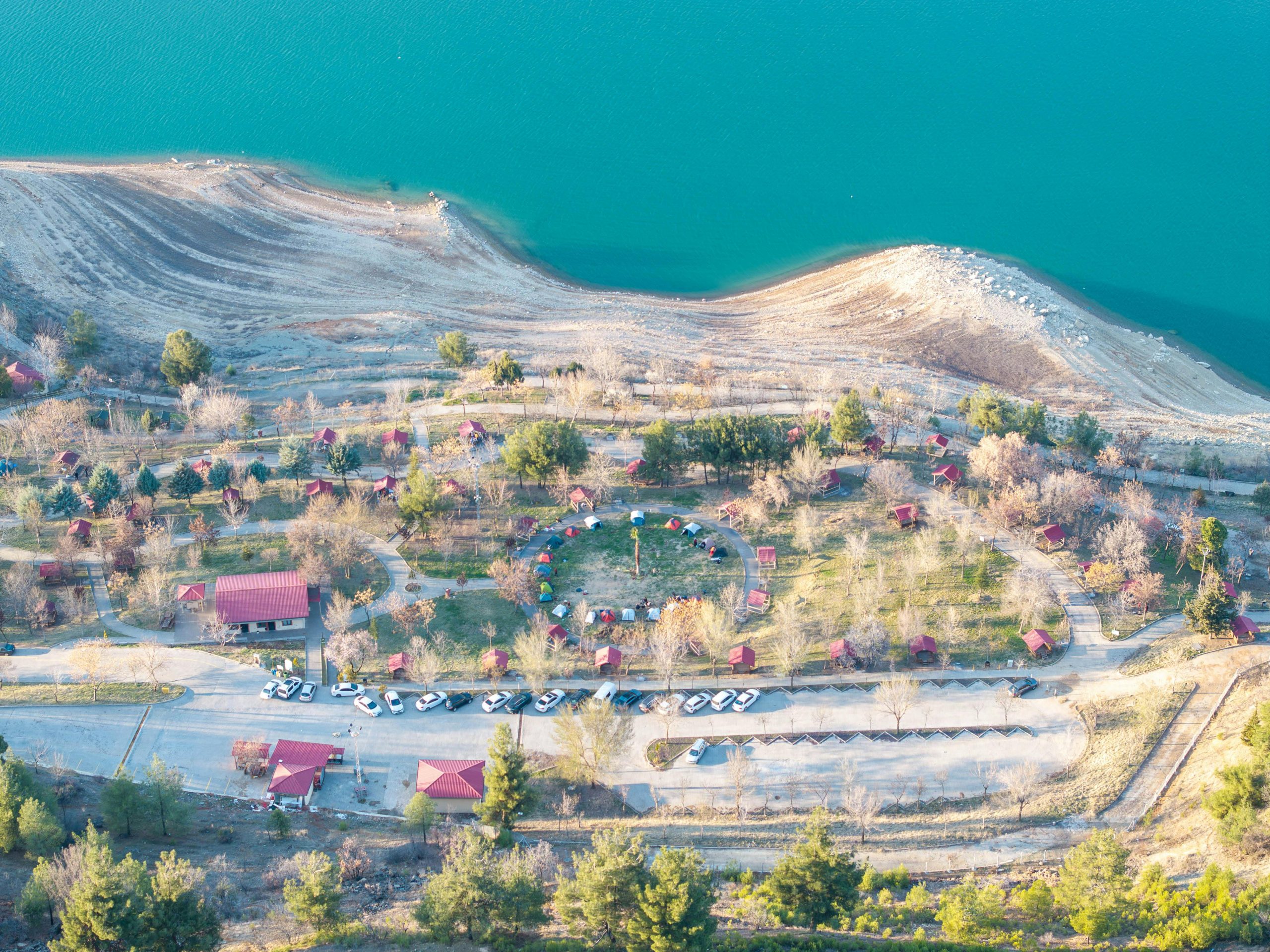
Some more photos from the Kimberley!
Here are additional pictures from the Kimberley!
Australia is a unique landmass that functions as both the world's smallest continent and one of its largest nations. It is a place of stark geographical contrasts, defined by its isolation, ancient landscapes, and highly urbanized coastal society.
Geography and the "Outback"
While Australia is roughly the same size as the contiguous United States, its population is concentrated almost entirely along the temperate coastlines.
The Outback: The vast, arid interior makes up about 70% of the mainland. It is characterized by red earth, extreme heat, and iconic landmarks like Uluru, a massive sandstone monolith.
The Great Barrier Reef: Located off the northeast coast, this is the world's largest coral reef system, visible from space and home to thousands of marine species.
Climate: Because it is in the Southern Hemisphere, the seasons are reversed compared to Europe or North America. High summer occurs in December and January, while winter peaks in July.
Unique Biodiversity
Australia's long-term isolation from other continents allowed evolution to take a distinct path. Approximately 80% of its flora and fauna are found nowhere else on Earth.
Marsupials: Most of Australia's mammals, including kangaroos, wallabies, and koalas, carry their young in pouches.
Monotremes: It is one of the only places home to egg-laying mammals, such as the platypus and the echidna.
Dangerous Wildlife: The continent is famous for its "deadly" reputation, housing some of the world's most venomous snakes and spiders, as well as saltwater crocodiles and great white sharks.
Culture and History
The human history of Australia is divided into two primary eras: the ancient heritage of its original inhabitants and the relatively recent colonial history.
Indigenous Australians: Aboriginal and Torres Strait Islander peoples have lived on the continent for over 65,000 years, representing the world's oldest continuous living culture. Their connection to the land is deeply spiritual and expressed through art, songlines, and storytelling.
Colonial Beginnings: In 1788, Great Britain established a penal colony in what is now Sydney. This led to a rapid expansion of European settlement, often at the expense of the Indigenous population.
Modern Society: Today, Australia is a highly multicultural society. Since World War II, migration from Europe, Asia, and the Middle East has shaped a "laid-back" culture known for its love of sport, coffee, and the "Great Outdoors."
Fast Facts
Category
Detail
Capital
Canberra
Largest City
Sydney
Currency
Australian Dollar (AUD)
Government
Federal parliamentary constitutional monarchy
States/Territories
6 States (e.g., NSW, QLD) and 2 major Territories
If you would like to dive deeper into the history of its Indigenous cultures or perhaps explore the specific geography of its different states, explore everything on our site..
Here are additional pictures from the Kimberley!
Australian State Prohibits ‘Hazardous’ Machete Knives in Effort to Curb Crime
Australians have a strong fascination with SUVs and large utes, but experts warn that their popularity is contributing to increased dangers on our roads.
[no-politics] Friday Frustration – 14 March 2025 It’s time to let off some steam! Nominate your neighbor, your car, the weather, or maybe those pesky broken trampoline springs. Share anything
The era when securing a ‘good job’ guaranteed homeownership is behind us, and we now have the data to back it up.
Is there anyone with a Daily Telegraph subscription (or a way to bypass the paywall) who could share the text of this article? I hope it’s okay to ask here!
Recent Chinese naval exercises conducted off the coast of Australia.
Gold Coast businessman strikes child with his vehicle after doorbell ringing incident.
That hit definitely warrants an additional 6 runs!
Emergency services rescue calf trapped in well in Yahl, near Mount Gambier.