Recent Developments in Queensland Voting Laws and Electoral Policies
Queensland has recently implemented significant changes aimed at shaping its electoral landscape. These reforms introduce new voting options, tighten eligibility criteria, and promote transparency within political campaigns. This article explores the key updates.
Reintroduction of Optional Preferential Voting
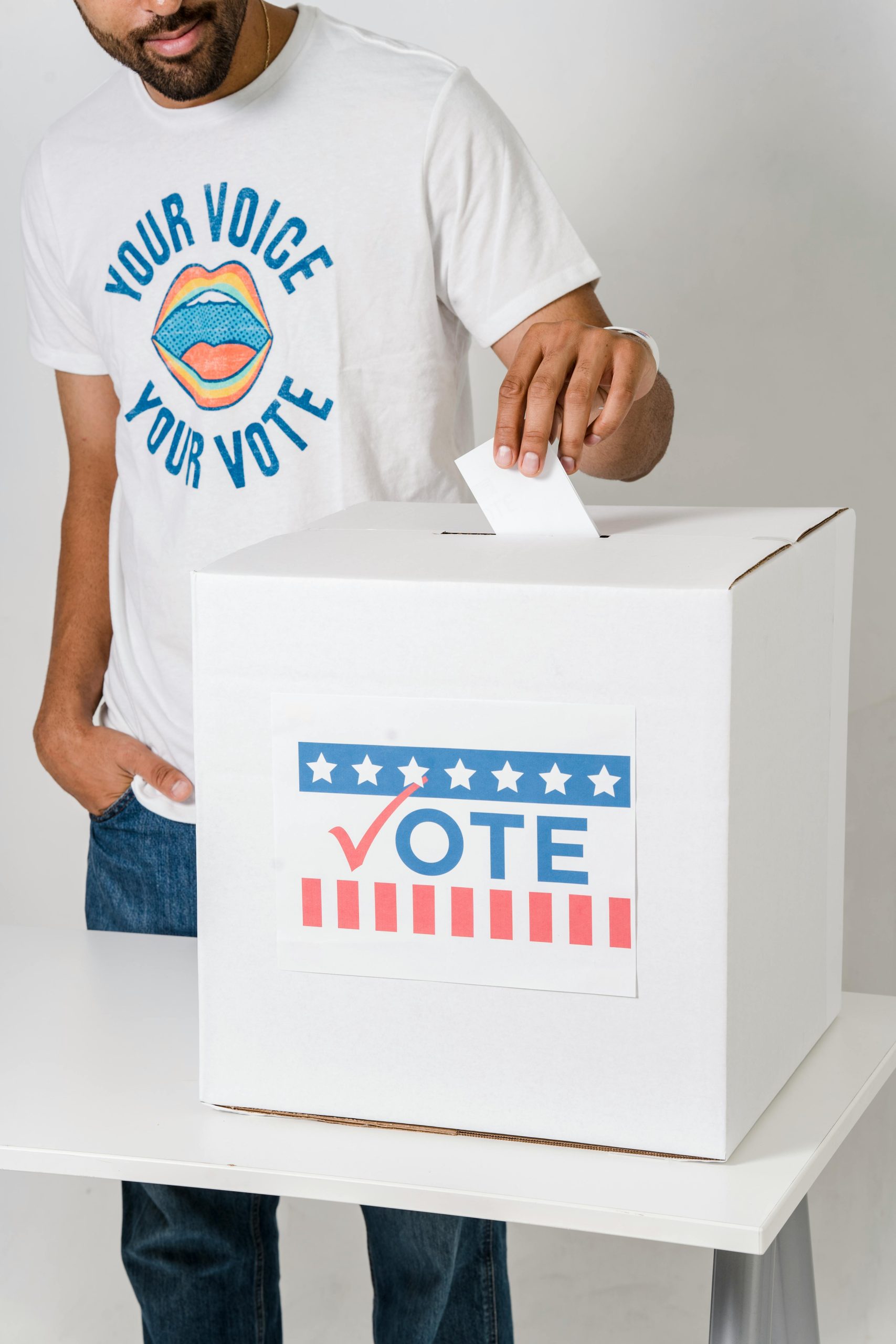
One notable change is Queensland’s shift back to Optional Preferential Voting (OPV). Under this system, voters are no longer required to complete every preference box on the ballot paper. Instead, they can choose to cast a simple “Just Vote 1” or willingly number as many preferences as they see fit. This adjustment provides voters with greater flexibility and simplifies the voting process.
Tighter Restrictions on Prisoner Voting Rights
The eligibility criteria for prisoners to participate in elections have been revised. The threshold for disenfranchisement has been lowered, disallowing individuals serving sentences of one year or more from voting in state and local elections. Previously, this cutoff was set at sentences of three years or more. The new rules aim to narrow the eligibility gap for incarcerated voters.
Opening the Door for Developer Political Donations
The longstanding ban on political donations from property developers has been lifted. Developers are now permitted to make contributions under the same rules and contribution caps that apply to other groups like trade unions. This change has spurred discussions on the influence of property developers in political campaigns.
Enhanced Transparency in Electoral Advertising
Significant steps have been taken to increase transparency around political advertising. All electoral and campaign advertisements are now required to display clear authorisations for a full 12 months leading up to the polling day. This measure ensures that voters are aware of the funding sources behind campaign materials, promoting greater accountability.
Implementation of Annual Donation Caps
Reforms have also shifted political donation limits to an annual cap system. This change aligns Queensland’s regulations with federal standards and those of New South Wales, providing a consistent framework for political donations across jurisdictions.
Conclusion
These recent policy updates reflect Queensland’s ongoing efforts to refine its electoral system. By offering voters more flexibility, tightening voting eligibility rules, and enhancing transparency, the state aims to foster a fairer and more accountable democratic process. Stakeholders and voters alike benefit from understanding these changes as they prepare for upcoming elections.