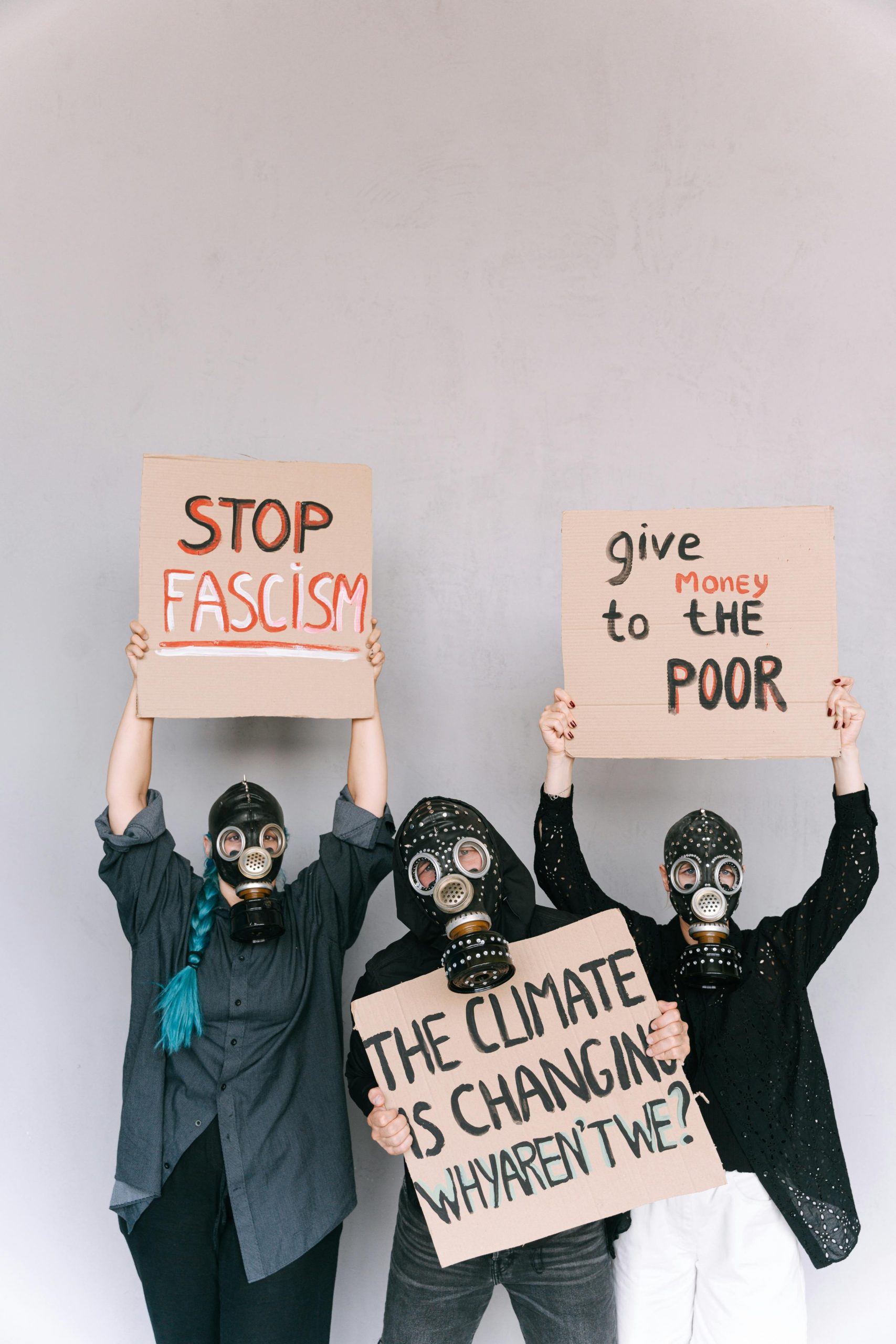
Understanding the Decline of Protest Culture in Australia Amid Economic Challenges
In recent times, Australia has experienced a noticeable decline in public protests and demonstrations, raising questions about the societal and economic factors contributing to this shift. Many citizens express frustration over the rising cost of living, stagnating wages, and perceived corporate profiteering, yet active participation in protests appears to have diminished.
The Rising Cost of Living and Economic Disparities
Australians are facing an increasingly burdensome financial landscape. The cost of essentials—such as groceries, fuel, and housing—has surged, outpacing wage growth and inflation rates. Major supermarket chains like Coles and Woolworths are often scrutinized for pricing strategies that many consumers believe exploit market conditions for profit, intensifying feelings of discontent.
The Impact of Fuel Prices
Fuel costs have also played a significant role in shaping public sentiment. At times exceeding $2 per litre, high petrol prices impose additional financial strain on households, affecting everything from daily commutes to broader economic stability.
Cultural and Social Factors in Protest Participation
Despite widespread concerns, fewer Australians are engaging in protests or active civic dissent. Several factors may contribute to this trend:
- Political Fatigue: Repeated political controversies and perceived ineffectiveness of protests can lead to disillusionment.
- Social Division: Deepening societal divisions can discourage collective action, with some feeling alienated or skeptical about change.
- Institutional Barriers: Administrative hurdles and concerns about safety or repercussions may deter individuals from participating in public demonstrations.
- Economic Pressures: Many are preoccupied with day-to-day survival, leaving less time and energy for activism.
The Question of Change
These dynamics raise important questions: Why do many Australians seem to accept these economic hardships? Is there a growing perception that collective action is ineffective, or are other factors suppressing engagement? Understanding these underlying causes is crucial for fostering a more active and empowered citizenry.
Moving Forward
Addressing the challenges faced by ordinary Australians requires not only policy reforms but also a revitalization of civic participation. Encouraging informed dialogue, reducing barriers to protest, and promoting community engagement can help restore the momentum for societal change.
Conclusion
While economic frustrations are deeply felt across Australia, a combination of social, political, and institutional factors has contributed to the decline of protest activity. Recognizing and addressing these issues is essential for rebuilding a society where citizens feel empowered to advocate for their rights and work towards meaningful change.