Navigating Identity: Exploring Aboriginal Heritage and Personal Connection
Understanding and embracing one’s cultural identity can be a complex and deeply personal journey, especially when external appearances do not align with familial heritage. Many individuals with mixed backgrounds find themselves at a crossroads, grappling with questions about belonging, authenticity, and the desire to connect with their cultural roots.
In cases where someone is perceived as having a different heritage due to physical appearance, it is common to encounter societal and familial barriers that can inhibit active participation in cultural practices. This dynamic may lead to feelings of exclusion or questions about the appropriateness of seeking involvement in cultural events and traditions.
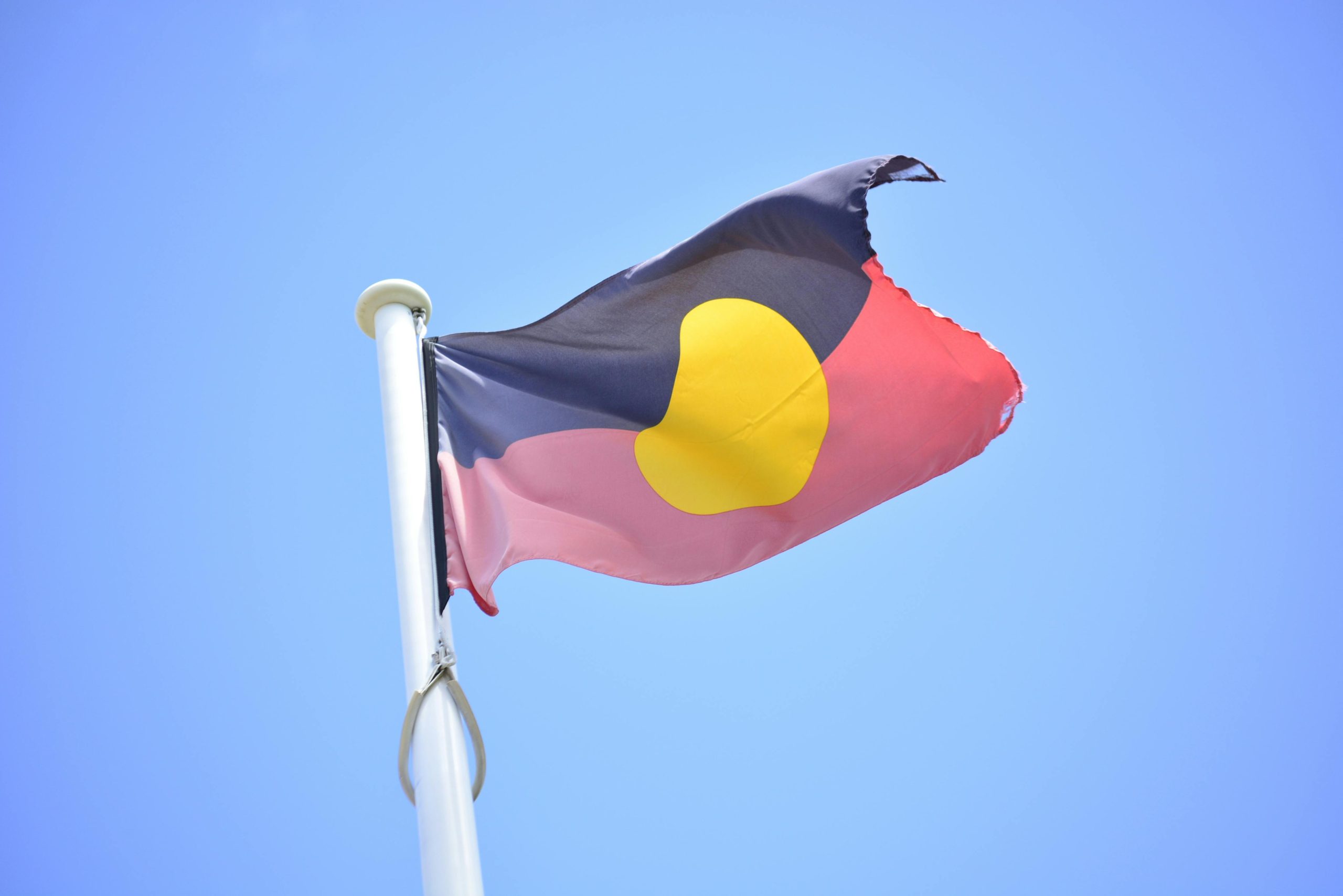
For individuals with recognized Aboriginal ancestry who are visibly non-indigenous, there can be a sense of alienation or concern about acceptance within their cultural communities. Lingering questions about whether it is appropriate to pursue cultural learning or participation as an adult often arise, alongside worries about being perceived as insincere or tokenistic.
The desire to understand and connect with one’s cultural background is valid and meaningful. Approaching this process with respect, humility, and an openness to learning is essential. Engaging with community elders, cultural organizations, and educational resources can provide valuable guidance and foster genuine connections. Remembering that cultural identity is multifaceted and personal can help navigate feelings of doubt or uncertainty.
Ultimately, embracing one’s heritage—regardless of outward appearance—is a personal decision rooted in self-awareness and respect for the traditions and communities involved. Seeking knowledge and participation in a considerate and respectful manner is a positive step toward understanding oneself more fully and honoring one’s roots.