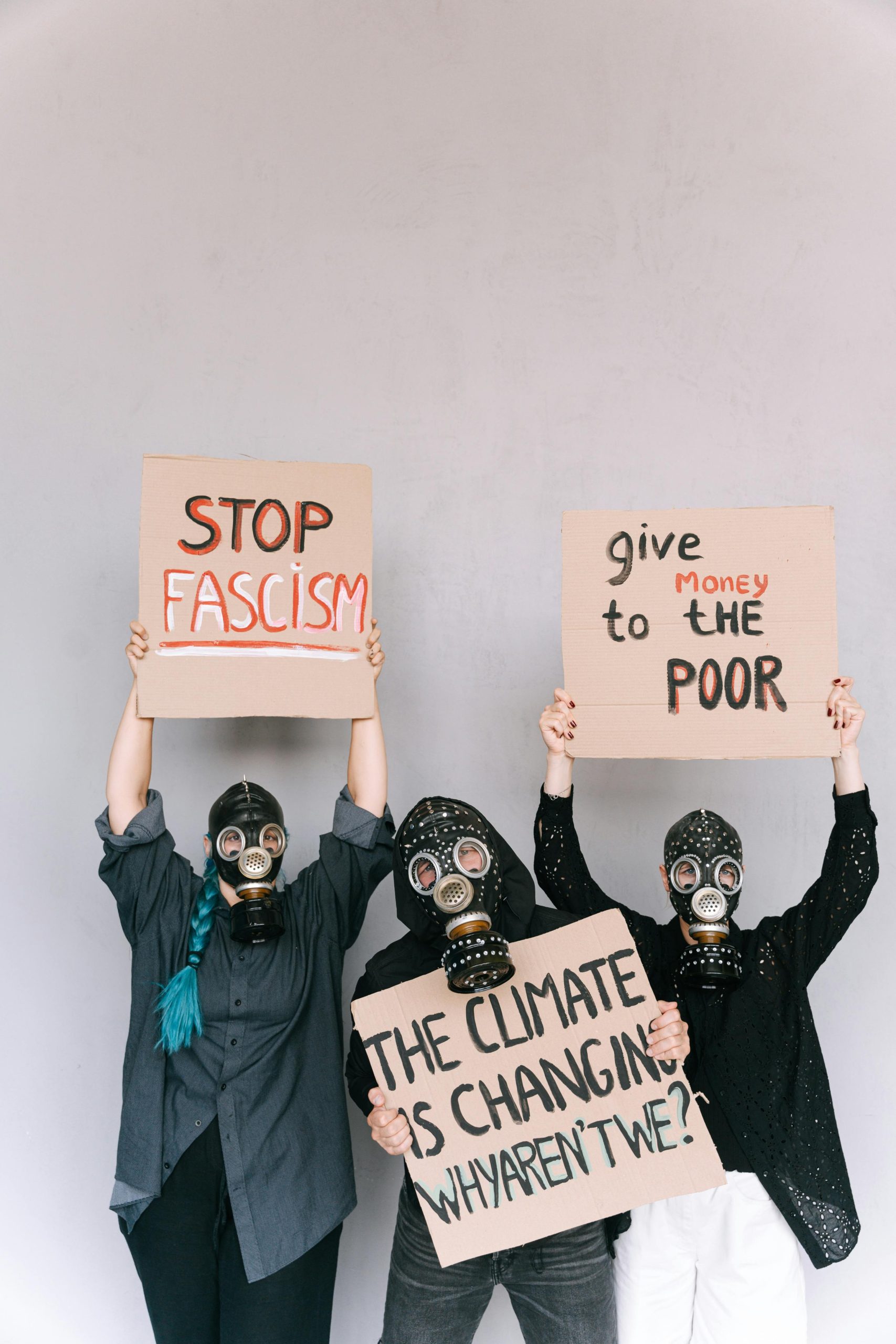
The Power of Civil Action: Lessons from France’s Protest Culture
In many countries, citizens have historically found ways to voice their grievances and advocate for change through organized protests and demonstrations. Notably, France has established a reputation for its vibrant protest culture, often mobilizing large segments of society to challenge policies and demand reforms. This raises an important question: why do some nations exhibit such a proactive approach to civic activism, while others seem more resigned or complacent?
Challenges Facing Society Today
Many communities grapple with pressing issues such as systemic inequalities, economic hardship, inadequate social services, housing affordability, and welfare concerns. These problems can have profound impacts on individuals and families, and they often evoke strong emotional responses. In countries where such issues persist, it is crucial for citizens to find effective ways to express their dissatisfaction and advocate for change.
The French Model of Civil Discourse
France’s history of protest is deeply embedded in its political culture. From strikes to mass demonstrations, the French utilize collective action as a tool to influence policymaking and hold authorities accountable. This tradition underscores a societal belief that civic engagement is vital for shaping a fairer, more responsive government.
Reflecting on Civic Engagement
The question of why some nations are more inclined to protest than others is complex, involving cultural, historical, and political factors. Societies with a strong tradition of civic activism, inclusive political institutions, and a collective sense of agency tend to mobilize more readily in the face of injustice.
Building a Culture of Advocacy
Encouraging active civic participation requires fostering an environment where citizens feel empowered and motivated to voice their concerns. This can be achieved through education, community organizing, transparent governance, and platforms that facilitate dialogue and collective action.
In conclusion, while the propensity to protest varies across nations, understanding and learning from countries with established traditions of civic activism can inspire stronger, more responsive societies. Engaged citizens are essential for holding governments accountable and driving meaningful change for the betterment of all.