Understanding Perspectives on Walkable Cities and Public Transportation: A Comparative Analysis
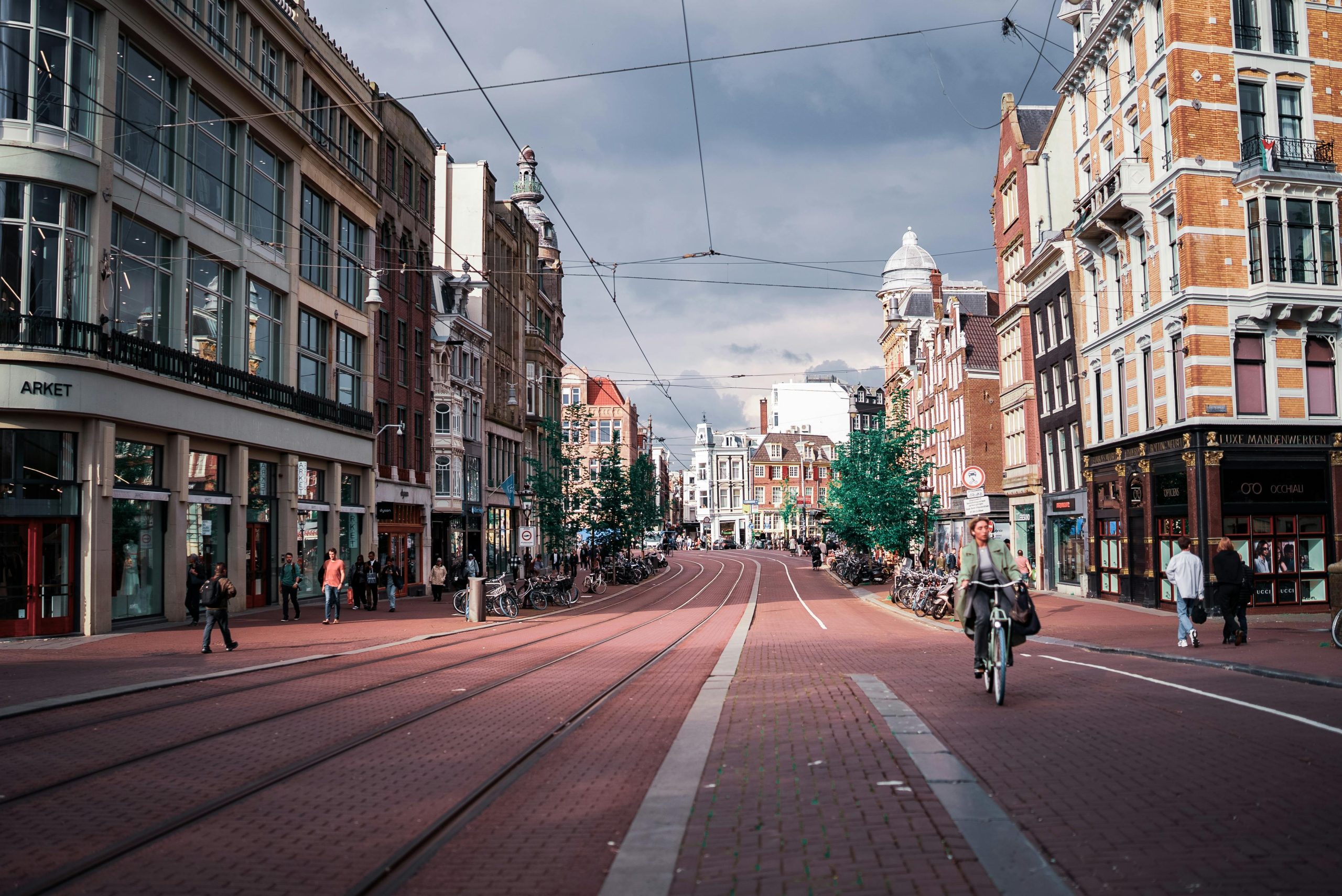
In many European countries, urban design emphasizes accessibility and sustainability, making walkable neighborhoods and comprehensive public transportation systems seem like common sense. These cities often feature compact layouts where residents can reach essential services such as schools, shops, healthcare facilities, parks, libraries, and transportation hubs within a short walk or a brief bus ride.
Conversely, attitudes toward walkability and public transit can vary significantly in Australia. Public debates sometimes reflect skepticism or resistance to urban models that prioritize pedestrian-friendly development and alternative transportation modes.
Why does this divergence exist?
Economic Interests and Industry Influence:
In some cases, automotive and oil industries perceive walkable cities and expanded public transit as threats to their markets. Reduced vehicle reliance can diminish fuel sales and car purchases, eliciting concern from corporate entities invested in traditional transportation.
Concerns About Autonomy and Control:
Authorities wary of decentralized mobility options may see walkable city concepts as challenges to their capacity to monitor and regulate movement. A city that enables residents to travel freely without dependence on cars can be viewed as reducing control over urban flow.
Misunderstanding and Cultural Factors:
Public perception can sometimes be misinformed. For example, misunderstandings about ‘walkable’ city designs may lead some to believe they prohibit other forms of transportation exclusively, rather than promoting a balanced multi-modal approach.
Advocacy and Urban Planning:
Proponents of walkable cities often advocate for neighborhoods where children can play safely, communities are vibrant and connected, and undesirable elements are minimized through community-driven design. Additionally, extensive networks of bike paths and pedestrian-friendly infrastructure are championed to enhance safety and reduce reliance on private vehicles.
In Summary:
The differing attitudes toward walkable cities and public transportation between Australia and Europe are shaped by a complex interplay of economic interests, governance concerns, cultural perceptions, and urban planning philosophies. Recognizing these factors is essential for fostering informed discussions about sustainable and livable urban environments worldwide.