Ensuring Professionalism and Patient Comfort in Blood Collection Procedures
Routine medical procedures, such as blood tests, are an essential part of healthcare that require professionalism, privacy, and patient comfort. Recently, an experience at a blood collection clinic highlighted concerns about maintaining these standards and the importance of accountability within healthcare settings.
Background Context
In this instance, a pregnant patient visited a familiar clinic for blood work requested by her obstetrician. The clinic’s phlebotomist had a history of providing efficient and friendly service. However, during this particular visit, the patient encountered a series of issues that compromised her comfort and privacy.
Event Details
Upon arrival, the phlebotomist acknowledged the patient’s referral information, confirmed personal details, and prepared for the procedure. Unfortunately, she expressed that she was in a hurry due to plans to go out for lunch. As she began the blood draw, her tone suggested urgency, which was evident in her hurried manner.
Compounding the situation, a friend of the phlebotomist unexpectedly entered the room and sat down, engaging in casual conversation while the blood draw was ongoing. The staff member did not pause or explain the presence of another person, leading to a breach of procedural protocol.
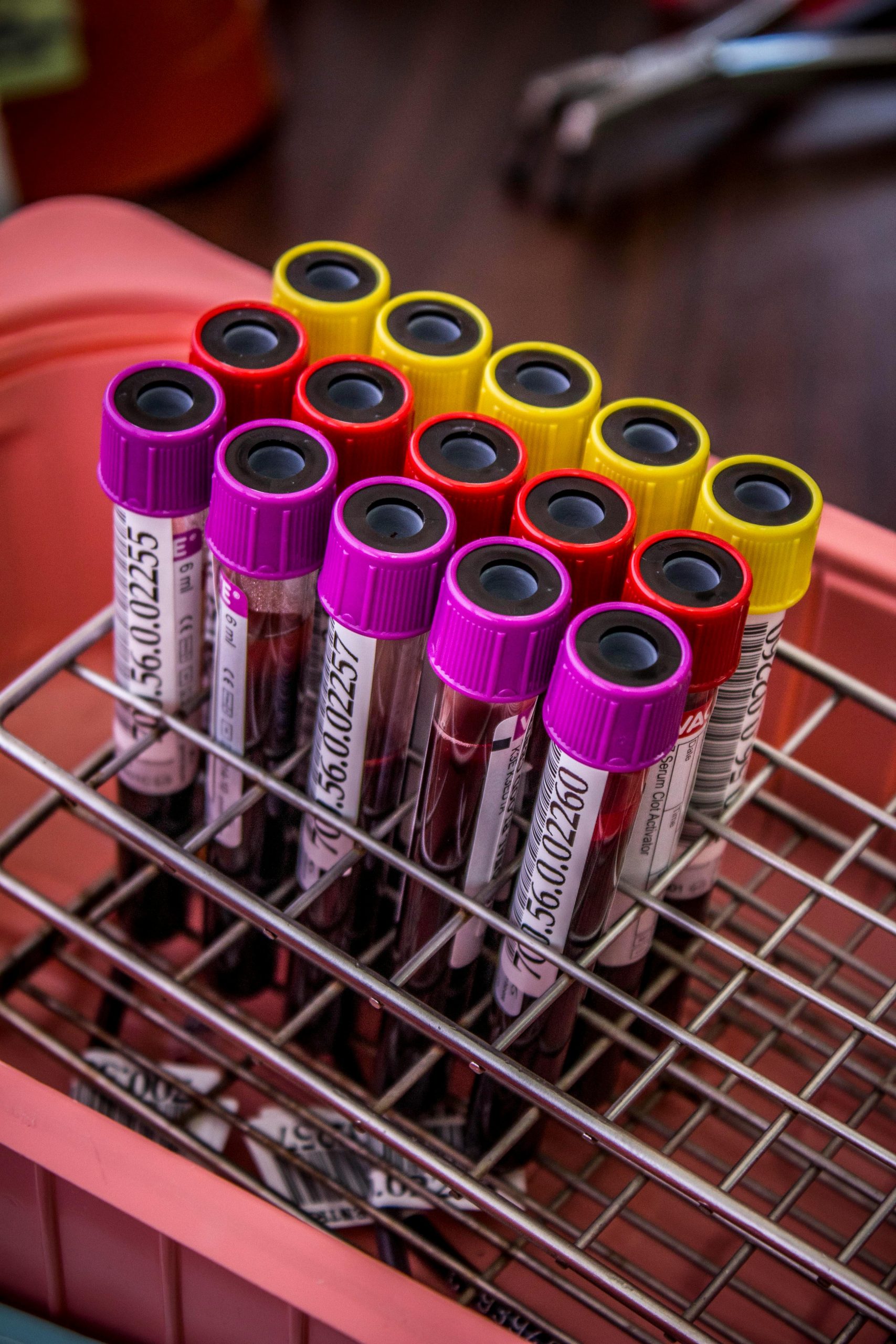
Additionally, she skipped standard steps such as printing and placing the barcoded labels on the blood collection vials, opting instead for handwritten labels. This omission can have implications for sample identification and test accuracy. After the procedure, she inquired about the patient’s pregnancy status, indicating she had forgotten to ask upon initial intake.
Implications and Considerations
This series of events highlights several concerns:
-
Patient Privacy and Comfort: The presence of an unannounced companion during a medical procedure can compromise patient privacy and create discomfort.
-
Procedural Integrity: Skipping standard labeling procedures jeopardizes sample integrity, potentially leading to inaccurate test results.
-
Professional Conduct and Accountability: Rushed service and casual conversations during clinical procedures can undermine professionalism and patient trust.
-
Communication and Follow-Up: The staff member’s attention to detail, as evidenced by forgetting critical questions and steps, underscores the need for diligent communication.
Response and Resolution
Following this experience, the patient reported the incident to the clinic management. The facility conducted an internal review, confirmed that the staff member had previously not engaged in similar conduct, and addressed the issue directly. The clinic emphasized that such behavior is not representative of their service standards and assured that the staff member would be counseled accordingly.
Looking Forward
For patients who encounter similar situations, it is advisable to:
- Communicate any discomfort or concerns to clinic staff promptly.
- Request privacy during procedures if privacy is compromised.
- Inquire about the procedures to ensure that standard protocols, such as proper labeling, are followed.
- Provide feedback through official channels to help improve service quality.
Conclusion
Maintaining professionalism, respecting patient privacy, and adhering to established procedures are fundamental components of quality healthcare. Both healthcare providers and patients play vital roles in upholding these standards to ensure safe, respectful, and effective medical care.