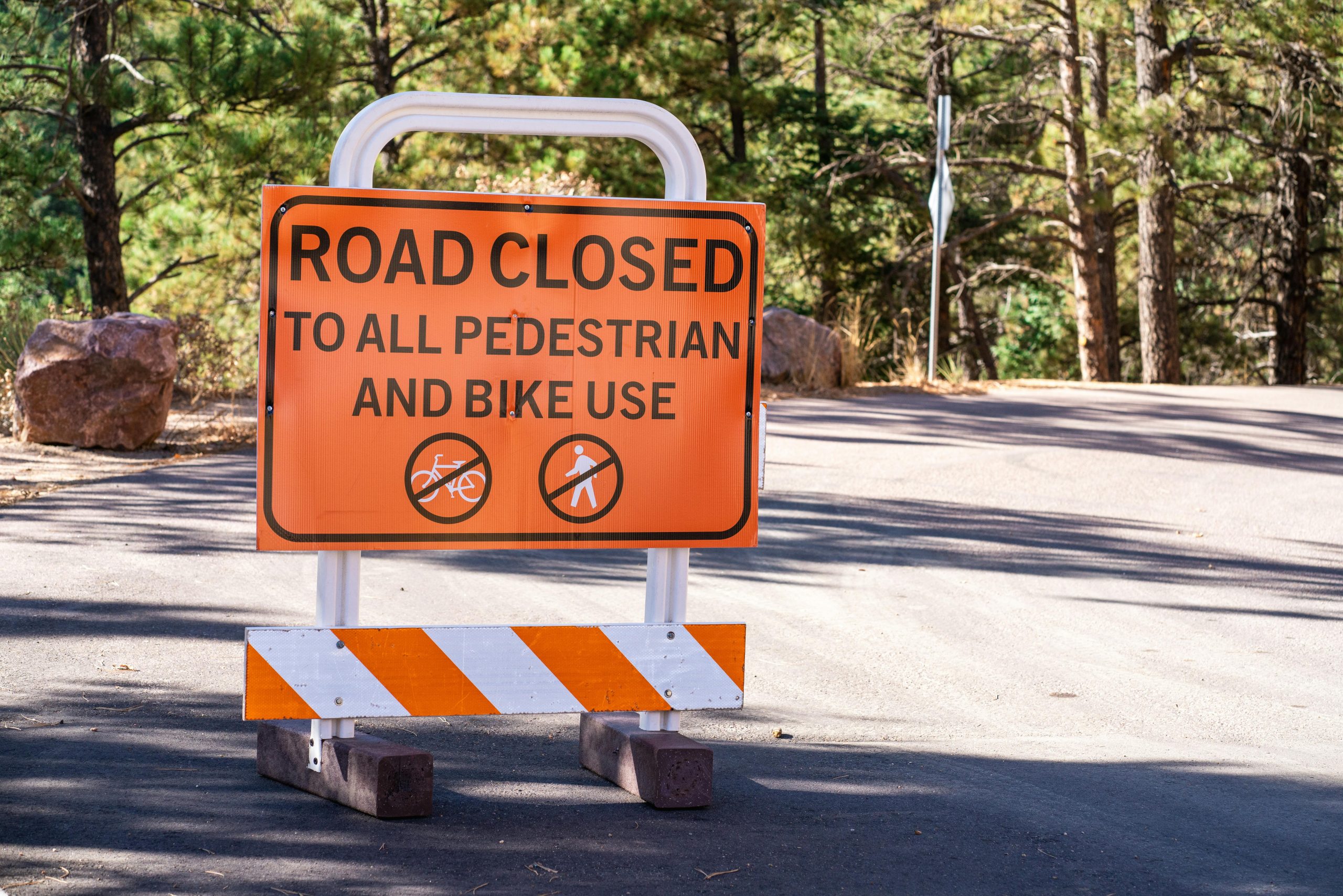
Ensuring Accessibility to Gazetted Roads: Navigating Legal and Ethical Considerations
In rural communities, gazetted roads—designated and officially maintained routes—serve as vital links for residents, visitors, and emergency services. Recently, there has been a concerning spike in instances where access to these roads is obstructed by locked gates, particularly in regions adjacent to protected areas such as national parks.
For individuals who cherish the tranquility of rural surroundings and seek to explore or utilize these routes, encountering a locked gate can pose significant challenges. While personal enjoyment and privacy are important, it is also essential to consider the legal implications of tampering with or circumventing access controls on gazetted roads.
Legal Perspective on Access to Gazetted Roads
In general, gazetted roads are public rights of way that are legally recognized and maintained for public use. Tampering with gates—such as forcibly removing locks or unauthorized entry—may constitute violations of property rights and could be considered unlawful trespassing or vandalism, contingent upon local laws and regulations.
Before taking any action, it is advisable to research specific legal frameworks governing public access in your region. Consulting legal experts or local authorities can provide clarity on whether existing rights permit entry when gates are locked and what permissible actions are in such scenarios.
Ethical and Practical Considerations
Engaging with obstructed routes responsibly involves a collaborative approach. If a gate restricts access to a gazetted road, consider reaching out to relevant authorities—such as land management agencies, local councils, or park services—to express concerns about access and inquire about permissible pathways.
In situations where access is restricted due to safety, conservation efforts, or private property rights, attempting to bypass gates by cutting locks or forcing entry is generally discouraged. Such actions can damage environmental habitats, compromise safety, or lead to legal consequences.
Promoting Responsible Use of Rural Routes
To maintain open and legal access to gazetted roads, community engagement and advocacy are vital. Supporting policies that uphold public accessibility, participating in consultations, and collaborating with authorities can help balance conservation efforts with road access needs.
Conclusion
While the desire to enjoy remote rural routes is understandable, it is crucial to approach locked gazetted roads responsibly and legally. Protecting access rights ensures that these routes remain available for everyone, and abiding by lawful procedures helps preserve the integrity of protected areas and respect private property boundaries.
For those encountering blocked gazetted roads, the recommended course is to seek official guidance and engage in constructive dialogue with relevant authorities rather than attempting unauthorized access. This collective effort fosters sustainable use of rural infrastructure and supports the preservation of our natural and public assets.