Understanding Immigration Trends and Common Myths: A Data-Driven Perspective
In discussions surrounding immigration, misinformation and misconceptions can often distort public understanding. To foster an informed dialogue, it is essential to analyze current data critically and contextualize claims about immigration patterns, housing impacts, and demographic changes. Here, we explore some prevalent narratives and provide clarity based on recent statistics.
Current Trends in Immigration and Population Composition
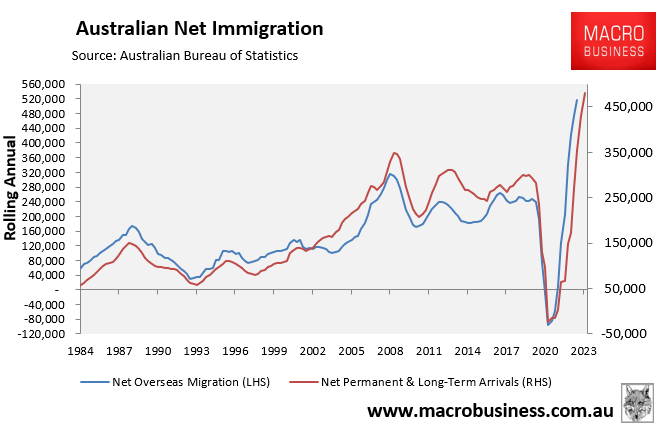
Contrary to narratives suggesting a rapid increase in immigration, recent data indicate that net overseas migration has been declining over the past two years following a temporary surge during the COVID-19 pandemic. For example, annual net migration figures have fallen in consecutive years, reflecting a slowdown in immigration flows. This trend persists despite political debates, emphasizing the importance of relying on accurate, up-to-date information.
Demographic Composition of the Australian Population
A common misconception involves assumptions about the origins of immigrants. For instance, the population born in England in Australia has experienced a slight decrease; between 2014 and 2024, it declined by approximately 4.65%. When viewed relative to the total population, the proportion of individuals of English descent has decreased marginally, while the shares of those born in India and China have increased by 1.8 and 0.6 percentage points respectively over the last decade. It’s important to distinguish between the total number of people born overseas and actual immigration flows, as a significant portion of existing residents are on temporary visas, such as student or work holiday visas, often residing in dense or non-traditional housing arrangements.
Immigration and Housing Market Dynamics
A prevalent concern links immigration with housing affordability issues. However, data reveal that over the past decade, housing supply has expanded at a faster rate than population growth—the number of dwellings increased by 19%, outpacing population growth of 16%. This indicates that housing shortages are less about the volume of available homes and more about systemic factors such as restrictive planning regulations, building costs, and policies that favor real estate investment.
Furthermore, the housing crisis is significantly influenced by economic policies that enable wealthier individuals to minimize taxes through mechanisms like negative gearing and capital gains tax discounts. These policies benefit the top income earners disproportionately, with reports indicating that 73% of these benefits go to the wealthiest 10%. Such disparities contribute to escalating house prices and hinder affordability for average Australians.
Impact of Investment and Policy Choices
Investment in property, particularly for speculation, has shifted housing from a basic necessity to an asset class. Recent figures show that 40% of new mortgages in a recent quarter were for investors, highlighting the role of investment-driven demand in the market. This trend exacerbates inequality and complicates efforts to make housing accessible for all.
Political Context and Migration Policies
Debates also often refer to political influences on migration rates. While some suggest that certain governments have driven high immigration, historical data show that migration patterns are complex and affected by a multitude of factors, including global economic conditions, international relations, and policy settings spanning different administrations.
Conclusion
Addressing misconceptions about immigration requires a nuanced understanding of demographic data, housing market dynamics, and policy impacts. Relying on rigorous statistics allows for a more informed conversation about how best to manage immigration and housing affordability, ensuring policies serve the broader interests of society rather than perpetuating myths or unfounded fears.
Sources:
- Australian Bureau of Statistics: Latest Release on Temporary Visa Holders
- Australian Bureau of Statistics: Population by Country of Birth
- Australian Institute: Housing and Wealth Inequality
- MacroBusiness: Migration Data
- ABS Media Release: Annual Net Overseas Migration