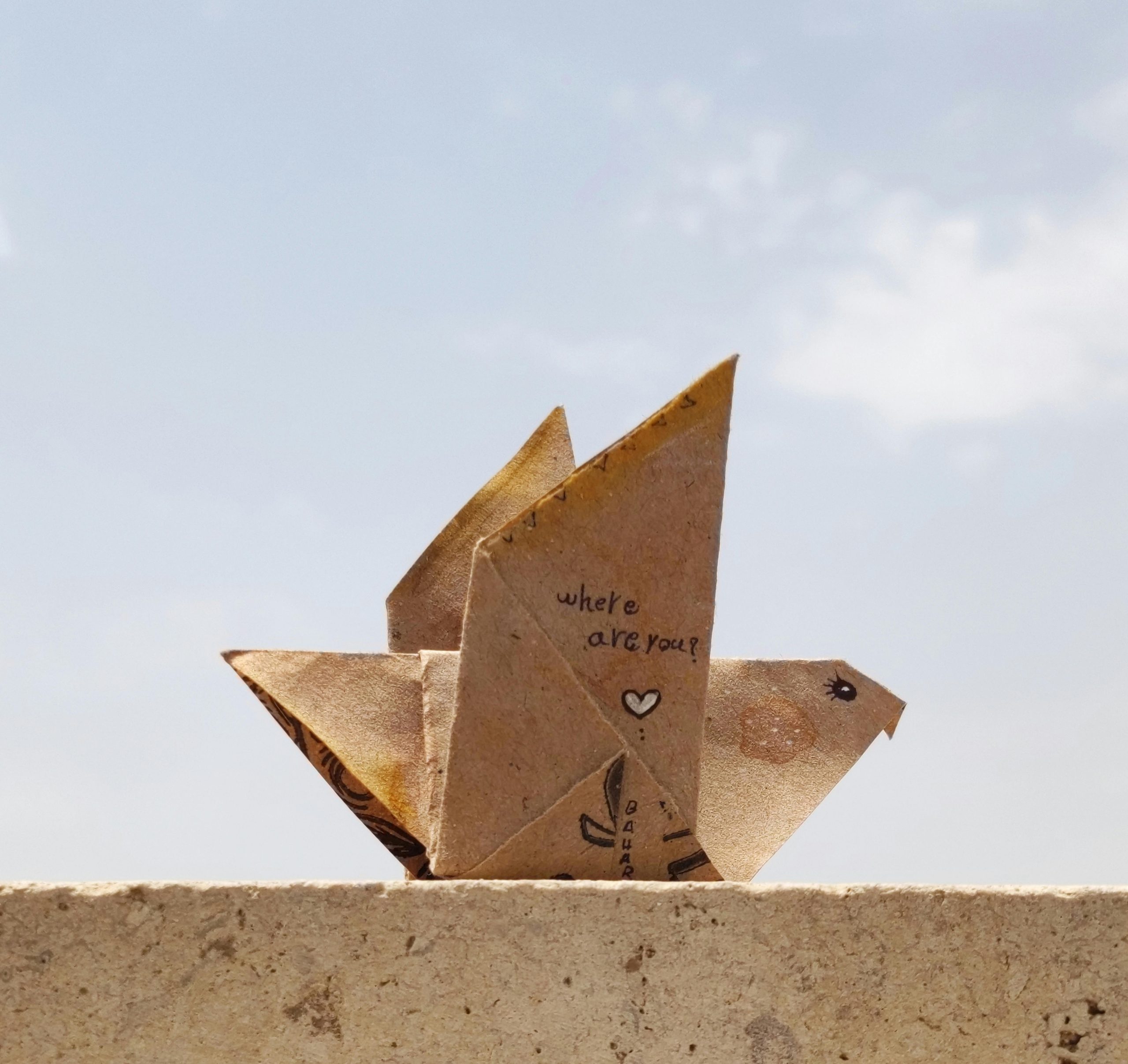
Understanding the Implications of the Question “Where Are You From?”
In everyday conversations, asking someone “Where are you from?” might seem like a harmless icebreaker or way to learn more about their background. However, this question can carry complex social and cultural implications, especially for individuals with diverse heritage or immigrant backgrounds.
Personal Experiences and Perspectives
Consider a scenario where a person from a rural upbringing—regardless of their ethnicity—finds this question challenging or uncomfortable. For instance, an individual with African heritage who was born and raised in the same town as their peers might perceive the question as implying an outsider status or as a subtle way of questioning their authenticity.
This discomfort often stems from the way the question can be interpreted as a marker of difference or as an assumption based solely on appearance or lineage. For some, it may feel like an indirect way of questioning their belonging or cultural identity.
The Cultural Context
Growing up in the same community shared by individuals of diverse backgrounds does not necessarily negate the potential for the question to be loaded. For many, “Where are you from?” can unintentionally evoke feelings of othering or exclusion, especially if asked repeatedly or without sensitivity. It might also overlook the complexity of personal identity, which can encompass the country of birth, cultural practices, family heritage, and personal experiences.
Best Practices for Engaging in Conversations About Background
Rather than avoiding questions about someone’s background altogether, approaching the topic with mindfulness and openness can foster respectful dialogue. For example:
-
Instead of asking “Where are you from?” consider asking “What’s your cultural background?” or “Can you tell me about where you grew up?”
-
Be attentive to cues—if someone seems uncomfortable or hesitant, honor their privacy and steer the conversation elsewhere.
-
Recognize that asking questions about identity requires cultural sensitivity, and sometimes, it’s better to let individuals share their stories on their own terms.
Conclusion
While curiosity about others’ backgrounds is natural, it’s important to be mindful of the language we use. Questions like “Where are you from?” can carry assumptions or implications that may not align with a person’s self-identity. Cultivating an awareness of these nuances can lead to more respectful and meaningful conversations, fostering understanding and inclusion in diverse communities.