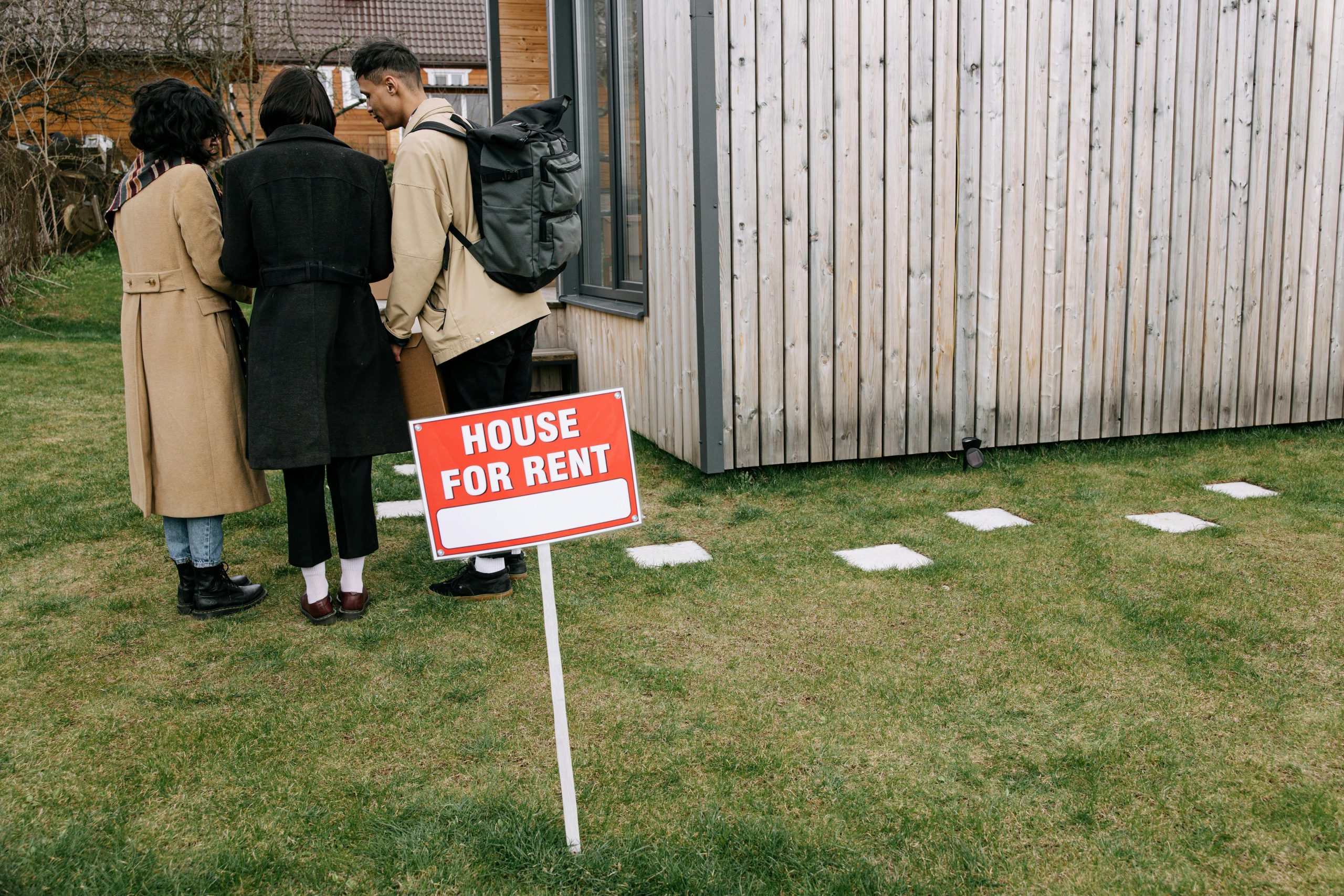
Understanding Rental Inspection Practices: A Comparative Perspective
Rental inspections are a common aspect of property management in many countries, but their frequency and purpose can vary significantly across different regions. In Australia, particularly in Melbourne, tenants often experience biannual inspections—usually every six months—which have sparked discussions about privacy and the tenant-landlord relationship.
This article explores whether such inspection routines are unique to Australia and neighboring countries like New Zealand, and how these practices compare with those in other parts of the world.
The Australian Context
In Melbourne and broader Australia, routine rental inspections are a standard part of managing rental properties. Landlords or property managers typically conduct inspections every six months to assess the condition of the property, ensure maintenance standards, and verify tenancy compliance. While intended for property upkeep, many tenants perceive these inspections as invasive, feeling they infringe on their privacy and personal space.
International Practices: A Different Approach
Contrastingly, in several other countries, rental practices tend to adopt a more trusting approach:
-
United Kingdom: Historically, tenants in the UK have experienced less frequent or less intrusive inspections. Landlords generally rely on tenants to maintain their properties responsibly, without mandatory biannual visits. The emphasis is often on trust rather than routine checks.
-
Germany and Norway: In countries like Germany and Norway, tenants typically enjoy greater privacy rights. Landlords rarely conduct inspections unless there is a specific concern or urgent need. When inspections do occur, they are usually arranged with clear notice and with respect for tenant privacy, and not as a routine biannual occurrence.
Impact on Tenant Wellbeing
Many tenants feel that frequent inspections can lead to feelings of infantilization or being scrutinized unnecessarily. This perception can hinder the development of a sense of home and ownership within the rental property. Instead of fostering trust, frequent inspections may create a sense of ongoing oversight, which can be uncomfortable and emotionally taxing.
A Broader Reflection
While rental inspection practices are rooted in ensuring property maintenance and legal compliance, they also reflect underlying cultural attitudes towards privacy, trust, and tenant rights. Regions that prioritize trust and privacy often implement less invasive monitoring routines, whereas others maintain regular inspections as a standard protocol.
Concluding Thoughts
Understanding the differences in rental inspection practices across countries highlights the importance of balancing property upkeep with tenant privacy and comfort. Open dialogue between tenants and landlords, coupled with flexible, trust-based approaches, can contribute to healthier rental relationships and a more positive living experience.
This exploration encourages ongoing discussion about best practices in rental management and the evolving expectations of tenants worldwide.