** Navigating Cross-Cultural Stepfamily Dynamics: A Closer Look at Daily Life and Traditions**
Building a blended family is a complex journey in any context, but when cultural differences are involved, this journey takes on an added layer of richness—and complexity. Many individuals with step-family arrangements rooted in diverse cultural backgrounds wonder how day-to-day interactions unfold, and whether one culture tends to dominate familial practices or if a harmonious balance is achieved.
Understanding Daily Interactions in Cross-Cultural Stepfamilies
In households where different cultural traditions intersect, daily routines often become a blend of practices that reflect each family member’s heritage. The question of which culture “takes the lead” is highly individualized and depends on various factors such as the family’s dynamics, the ages of the children, and mutual respect among members.
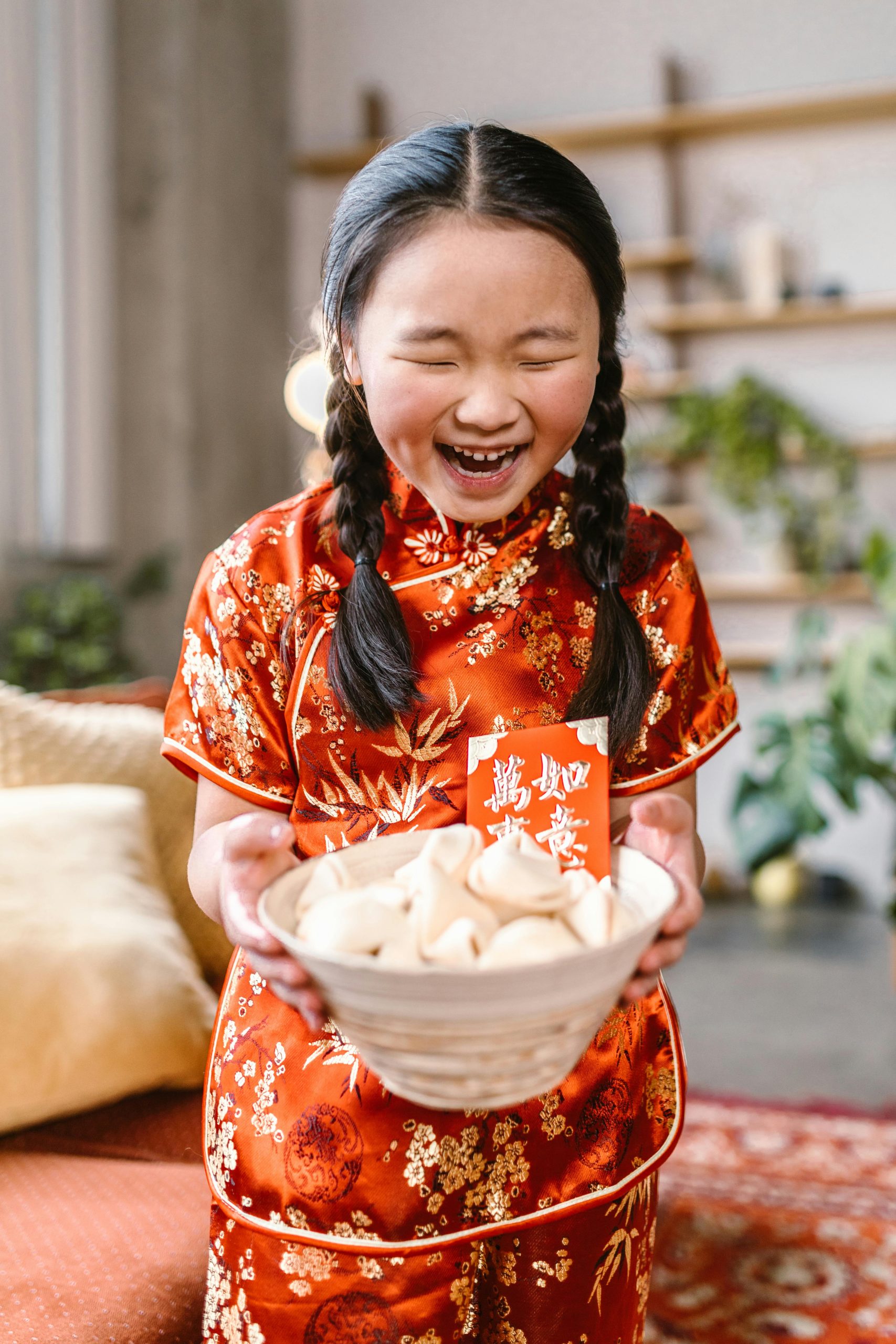
In some cases, families aim to create an environment of shared leadership, where traditions from each culture are incorporated equally to foster inclusivity. For example, meal times might feature dishes from both backgrounds, and family celebrations might honor multiple holidays. This approach encourages mutual understanding and helps children appreciate their diverse identities.
Balancing Traditions and Personal Preferences
When it comes to specific traditions—such as holiday celebrations, rites of passage, or everyday practices—families often adapt based on the preferences and comfort levels of each member. Some may choose to alternate celebrations or merge elements from different traditions to create unique new customs. This flexibility allows the family to honor their cultural roots while fostering a sense of unity.
For instance, during meal times, one parent might prepare traditional dishes from their culture, while the other offers their own culinary traditions. Over time, families develop their own version of these practices that serve as a bridge between cultural backgrounds, enriching family life and creating a shared sense of identity.
Conclusion
While every cross-cultural step-family experiences its own unique path, the key often lies in open communication, mutual respect, and a willingness to learn from one another. By blending traditions and embracing diversity, these families can cultivate a rich, inclusive environment where cultural differences become sources of strength rather than division. Navigating such relationships requires patience and creativity, but the resulting family bonds are often deeply rewarding and uniquely beautiful.