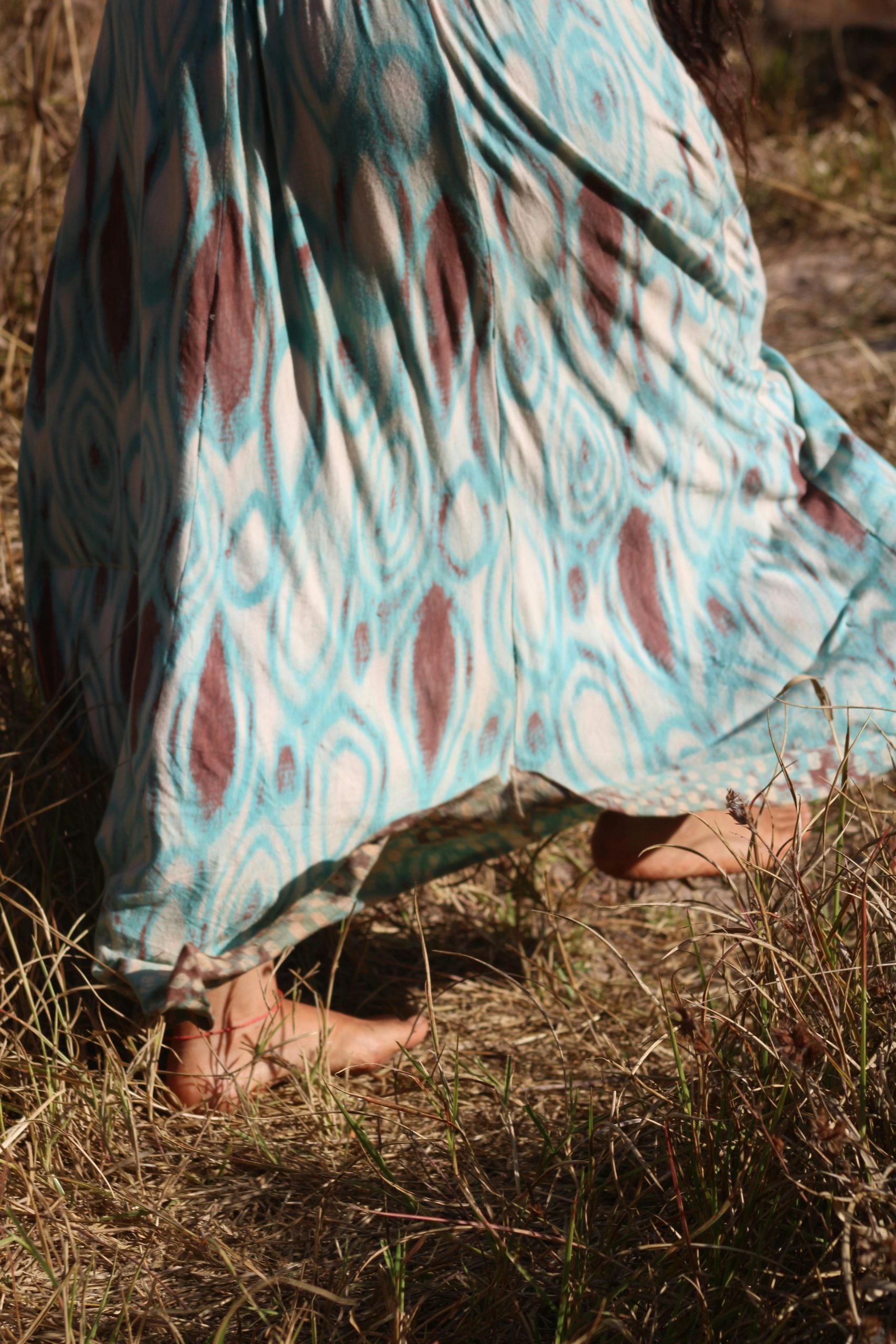
The Decline of Going Barefoot: Understanding Changing Attitudes Toward Shoewear
In recent times, many of us have observed a noticeable shift in societal norms regarding footwear. Specifically, the practice of going barefoot has become increasingly uncommon in public spaces. This observation raises intriguing questions: Why do fewer people go barefoot nowadays? Is it simply a matter of changing fashion trends, or are there deeper cultural and practical reasons behind this decline?
Historical Perspective on Going Barefoot
Historically, human beings spent much of their time without shoes, especially in environments where terrains were soft and natural. Going barefoot was a practical choice rooted in necessity and comfort. Over time, as footwear technology advanced, shoes became more than just functional items—they transformed into fashion statements and symbols of social status.
The Shift in Societal Norms
Today, societal attitudes toward shoes and barefoot activity are shaped by multiple factors, including hygiene standards, safety concerns, and cultural perceptions. In many urban environments—like Sydney, as recently observed—the idea of going barefoot in public is often viewed as unconventional or even unhygienic. This shift reflects a broader societal tendency to associate footwear with cleanliness, safety, and professionalism.
Why Do People Avoid Going Barefoot Now?
Several reasons contribute to the decline of barefoot walking:
-
Hygiene and Health Concerns: The fear of exposure to dirt, bacteria, or injuries often discourages going barefoot in public.
-
Safety and Comfort: Concerns about unsafe terrains, sharp objects, or discomfort lead individuals to prefer shoes.
-
Cultural Norms and Social Acceptance: Societal expectations and cultural perceptions often frame shoes as the default footwear, rendering barefoot walking socially unconventional.
-
Climate and Urban Design: Modern urban environments, with their concrete surfaces and infrastructure, are less conducive to barefoot activity.
Is Going Barefoot Outdated or Unacceptable?
While societal norms have shifted, the practice of going barefoot has seen a resurgence in certain contexts, such as yoga, barefoot running, or wellness retreats. Some argue that reconnecting with nature through barefoot activities can have physical and mental health benefits.
Conclusion
The decline of barefoot walking in public spaces appears to be a result of a combination of cultural evolution, safety considerations, and hygiene practices. While the notion of being “born with shoes” challenges the necessity of footwear, contemporary societal norms have normalized the use of shoes for practicality and social acceptance. Nonetheless, understanding this cultural shift invites us to consider whether embracing barefoot activities might have a place in modern life, balancing tradition with contemporary realities.
Would you like to explore tips on safe barefoot walking or minimalist footwear options? Subscribe to our blog for more insights into natural movement and health.