The Rising Trend of Unauthorized Parking Reservations: When Public Street Parking Is Being Blocked and Reserved
In recent times, there has been an unsettling increase in individuals attempting to claim public street parking spots through unconventional and often inappropriate means. This shift raises questions about the evolving attitude toward shared urban spaces and the need for clearer regulation and community awareness.
Historically, conflicts over parking have ranged from minor disagreements to more serious disputes. For instance, there have been reports of motorists expressing frustration by vandalizing vehicles parked in front of their residences—such as throwing objects or, in some extreme cases, waste—simply because those vehicles occupied legally designated street parking near the owner’s home. Such incidents underscore the frustrations residents feel over limited parking options and the lengths to which some might go to secure a space.
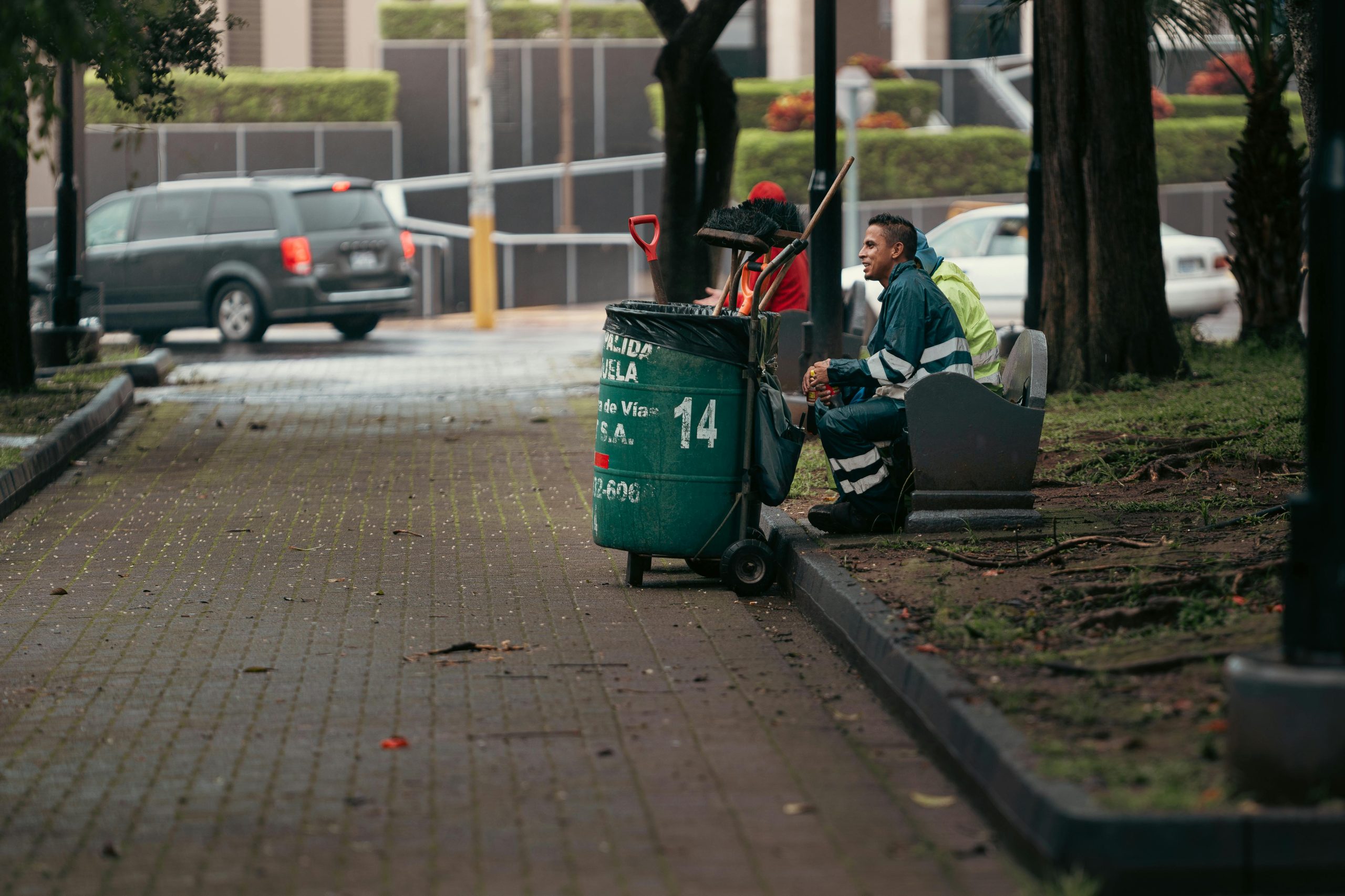
More recently, a notable trend has emerged involving attempts to reserve street parking spots by physically blocking them. In a particular incident, an individual placed a bin in a public parking space and insisted that other drivers, including the author of the incident, move their vehicles to accommodate these makeshift reservations. This approach challenges the fundamental premise of street parking as a shared resource, often leading to conflicts and confusion among drivers.
These behavior patterns highlight a broader issue: the lack of clear enforcement around curbside parking and the need for community education regarding appropriate parking practices. Urban planners and local authorities are encouraged to consider more effective solutions—such as designated reservable spots, clearer signage, and public awareness campaigns—to mitigate unauthorized blocking and foster respectful use of communal parking spaces.
As urban environments continue to grow and the availability of parking becomes increasingly scarce, it is vital for all drivers to understand the importance of respecting shared resources. Engaging in responsible parking behavior not only helps reduce conflicts but also contributes to a more harmonious and efficient urban living experience.
Conclusion
The incidents of blocking or attempting to reserve street parking through unconventional means reflect ongoing challenges in urban parking management. Addressing these issues requires a combination of policy measures, community engagement, and adherence to civic etiquette. By working together, we can ensure that public parking spaces remain accessible and fair for all drivers.