Environmental Regulator Releases Report on Widespread Salmon Mortality in Tasmania
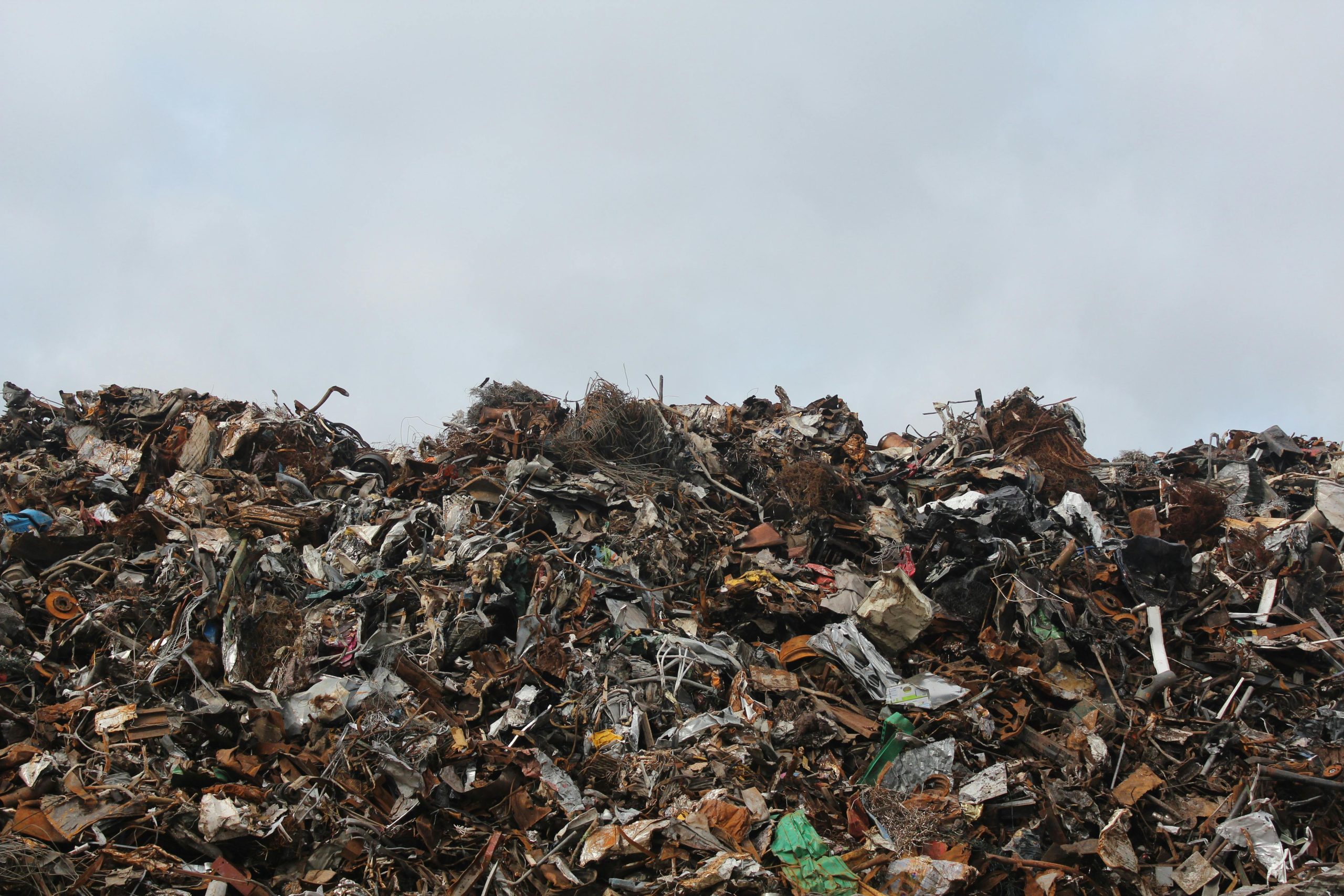
In a recent development concerning Tasmania’s aquaculture sector, the state’s environmental regulatory authority has published a comprehensive report detailing a significant mass mortality event within the local salmon industry. The incident, which occurred during the summer months, led to the unfortunate death of numerous salmon, with affected fish washing ashore on beaches and others being disposed of in landfills—images of which circulated widely, raising environmental and public health concerns.
Key Findings from the Incident Response
The debriefing report highlights several critical issues regarding the industry’s response to the event. Notably, there was a marked delay in the industry’s provision of vital data and information to regulators, impeding timely assessment and intervention efforts. The report underscores that the absence of a dedicated “mass mortality response plan” within the salmon industry contributed to the challenges faced during the crisis.
Additionally, the report reveals that communication and coordination between industry stakeholders and government agencies were fraught with difficulties. Divergent opinions emerged in the aftermath: industry representatives perceived the government’s initial response as excessively regulatory, expressing fears that the incident could trigger even stricter regulations. Conversely, government agencies contended that existing regulatory frameworks were insufficiently robust to effectively manage such incidents, necessitating enhancements.
Industry Concerns and Policy Implications
An additional point of contention centered on transparency and confidentiality. Industry stakeholders expressed concerns about potential exposure to Right to Information (RTI) requests, which they claimed hindered internal candor and openness during the response process. This tension highlights the ongoing challenge of balancing operational confidentiality with the need for transparent and effective crisis management.
Recommendations and Future Steps
In response to the findings, the debrief outlined ten recommended actions aimed at strengthening the industry’s preparedness and resilience. Among these is the development of a standardized industry code of practice for managing mass mortality events, which could serve as a blueprint for future incidents.
Furthermore, the government has committed to conducting a comprehensive study into the environmental, social, and economic impacts of the salmon industry. This review aims to inform more sustainable and effective regulatory policies, ensuring the industry’s accountability and resilience against similar future events.
Conclusion
The recent report underscores the importance of proactive planning, transparent communication, and collaborative efforts between industry stakeholders and regulatory bodies. As Tasmania’s salmon industry grapples with the lessons from this significant event, the focus now shifts towards implementing recommended actions and fostering a sustainable, well-regulated aquaculture sector that can better