A Closer Look at Military Aviation Presence in the UK versus Australia
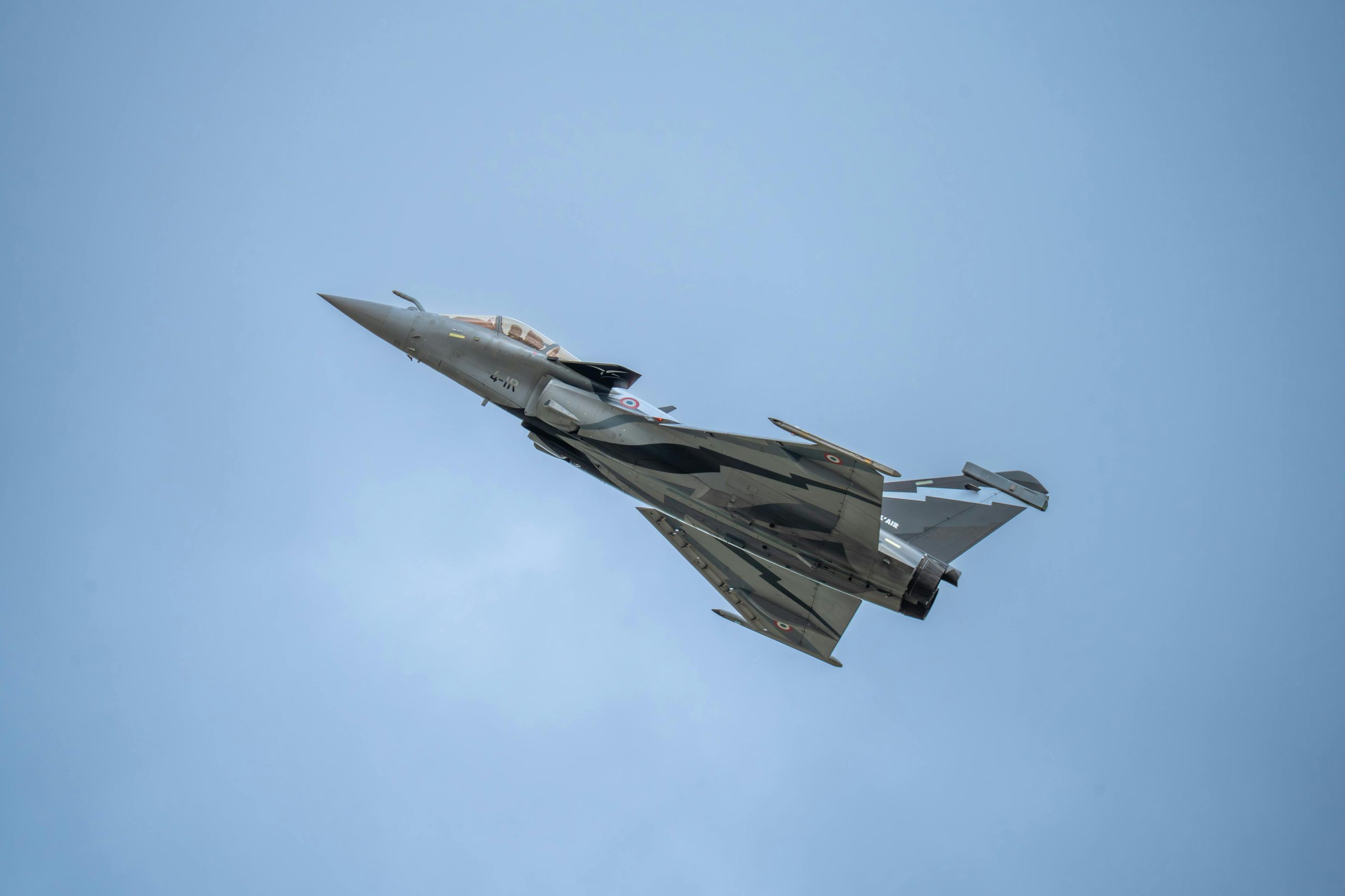
When it comes to military aviation, certain countries have a more prominent public profile than others. In the United Kingdom, for example, it is quite common to witness elite fighter jets such as Eurofighter Typhoons or Lightning aircraft conducting training exercises at low altitudes. These displays often occur overhead, with aircraft flying so close that one can observe the structural joints in their panels—a testament to their proximity and the intensity of military readiness.
Additionally, helicopters like the Airbus Chinook are frequently seen transporting heavy assets, including armor and equipment, across the skies. These demonstrations of military capability are not only routine but also serve as a visible reminder of national defense preparedness.
In stark contrast, such occurrences are rarely witnessed in Australia, even after more than two decades of residence. The infrequency of low-flying military jets and large-scale helicopter operations raises an interesting question: Why is there such a marked difference between the UK and Australia in terms of public visibility of military aviation activities?
Several factors may explain this disparity:
-
Varying Military Strategies and Threat Perceptions
The UK, with its strategic alliances and historical involvement in international conflicts, maintains active and visible military exercises that often involve training at low altitudes and in populated areas. Conversely, Australia’s military operations may prioritize different training environments and may conduct more discreet or geographically isolated exercises. -
Operational Environment and Geography
The UK’s dense population centers and compact geography make military exercises potentially more visible to civilians. Australia’s vast and sparsely populated landscapes allow for training and operations to be conducted in remote areas, reducing chances of public sightings. -
Domestic Policy and Public Engagement
Cultural and policy differences influence the public display of military activities. The UK tends to have more public-facing military demonstrations and open exercises, while Australia may keep certain operations more classified or conducted away from public view. -
Operational Requirements and Budgetary Factors
The frequency and intensity of military training can also depend on budget allocations, operational priorities, and international commitments. This can impact how often military aircraft are deployed in ways that are visible to the public.
Understanding these differences underscores how national defense priorities, geographic factors, and cultural policies shape the visibility and perception of military capabilities in different countries. While the UK regularly offers its citizens visible demonstrations of its air power, Australia’s approach appears more subdued, relying on discreet training practices that often go unnoticed in the public eye