The Changing Landscape of Supermarket Checkout Experiences: A Reflection on Consumer Satisfaction and Corporate Practices
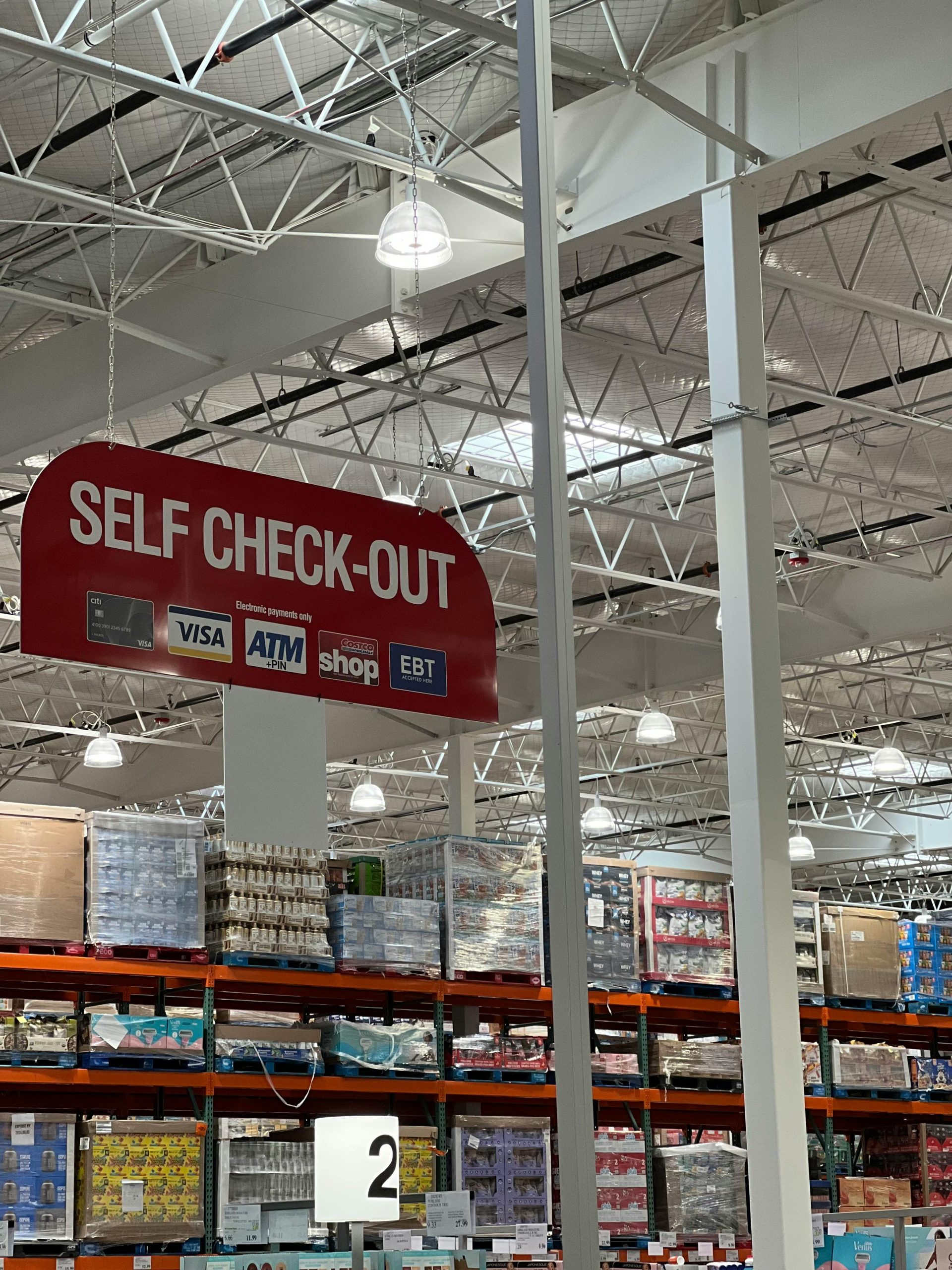
In recent months, many consumers have noted a shift in their shopping experiences at major supermarkets. From limited checkout options to increased reliance on self-service technology, these changes have prompted questions about customer service, corporate priorities, and broader societal implications.
One common concern revolves around the reduced availability of staffed checkout counters. Shoppers often find themselves queuing for long periods with minimal assistance, especially during peak hours. This lack of human interaction can lead to feelings of frustration and diminishes the personal touch once associated with traditional customer service.
Additionally, the increased deployment of camera and scanning technologies has transformed the shopping journey. While these innovations aim to streamline processes and reduce theft, they can also evoke feelings of being constantly monitored, fostering an environment that some perceive as unwelcoming or intrusive. Such technological measures, although intended to enhance security, may inadvertently create a sense of mistrust between consumers and retailers.
Another point of contention is store layout and gate closures, which can obstruct access and create unnecessary obstacles for shoppers. These physical barriers, combined with the perception of surveillance, contribute to a growing sense of alienation in the shopping experience.
On a broader societal level, these changes reflect a landscape where profit maximization often takes precedence over customer satisfaction. While corporations continue to record record profits, questions remain about their commitment to providing a positive and respectful environment for consumers.
Amidst these developments, it is essential to consider the larger societal context. Issues of race, class, and social inequality remain prominent topics of discussion, yet consumer experiences at supermarkets often become a microcosm of how societal norms and corporate policies intersect.
This observation is not merely a personal rant but highlights the need for ongoing dialogue about consumer rights, corporate responsibility, and the evolving nature of retail environments. As customers, advocating for better service, transparency, and respect can signal a demand for a more balanced and humane shopping experience.
Ultimately, the state of our supermarkets reflects broader societal trends and priorities. Recognizing these issues is the first step toward fostering meaningful change, ensuring that shopping remains a respectful, accessible, and satisfying activity for all members of the community.