Understanding the Budget’s Impact on Your Generation: Gen Z, Millennials, Gen X, and Boomers


Understanding the Budget’s Impact on Your Generation: Gen Z, Millennials, Gen X, and Boomers
You must be logged in to post a comment.

I returned home to discover that the real estate agency had conducted an open house without my permission or prior notice (NSW). I’m still incredibly upset, as they entered the

Bruce Lehrmann parts ways with his legal team ahead of the Toowoomba rape trial. Author: audadmin
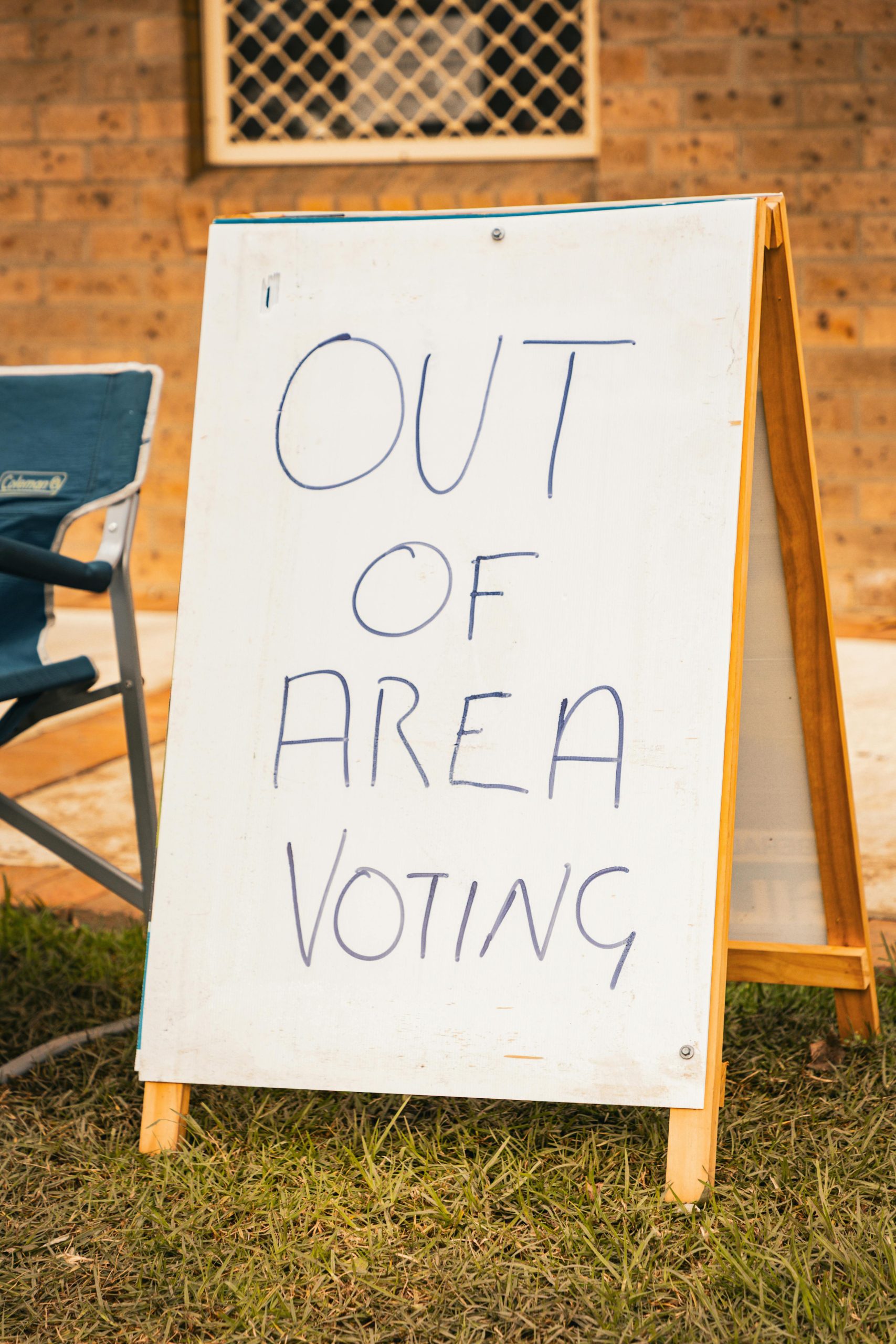
Dutton Urges Voters to Look Beyond ABC Coverage on Election Night In a recent address, Australian political leader Peter Dutton has encouraged citizens to shift their focus away from the
Understanding the budget’s implications can vary greatly across generations, as each has unique financial situations and priorities. Here’s a breakdown of what the budget might mean for different generations:
Gen Z: This generation is just entering the workforce and facing the pressures of student debt, housing affordability, and rising living costs. A budget that prioritizes education and job creation, along with mental health initiatives and support for new workers, could positively impact their economic opportunities. Additionally, policies addressing climate change may resonate strongly with Gen Z, as they are particularly concerned about the environment and sustainable practices.
Millennials: Often grappling with the aftermath of economic downturns, student debt, and housing market challenges, millennials would benefit from a budget that emphasizes debt relief, affordable housing, and access to quality healthcare. Investments in remote work infrastructure and support for small businesses can also help this generation thrive. Mental health services and work-life balance policies are crucial, as many millennials prioritize wellbeing alongside career growth.
Gen X: Known as the “sandwich generation,” many Gen Xers are taking care of both their children and aging parents. A budget that offers support for family leave, childcare, and elder care services would be instrumental for this demographic. Additionally, retirement savings incentives and health care affordability will be significant as they prepare for their own futures.
Boomers: As they approach or enter retirement, baby boomers are likely focused on healthcare, social security, and pension stability. A budget that safeguards social safety nets, Medicare, and affordable prescription drugs is vital for this generation to maintain a secure and healthy retirement. Furthermore, policies related to aging in place and housing stability can enhance their quality of life.
Ultimately, a forward-thinking budget should strive to address the needs and challenges faced by each generation while promoting economic growth and social equity across the board. What are your thoughts on how the budget should be shaped to benefit your generation?