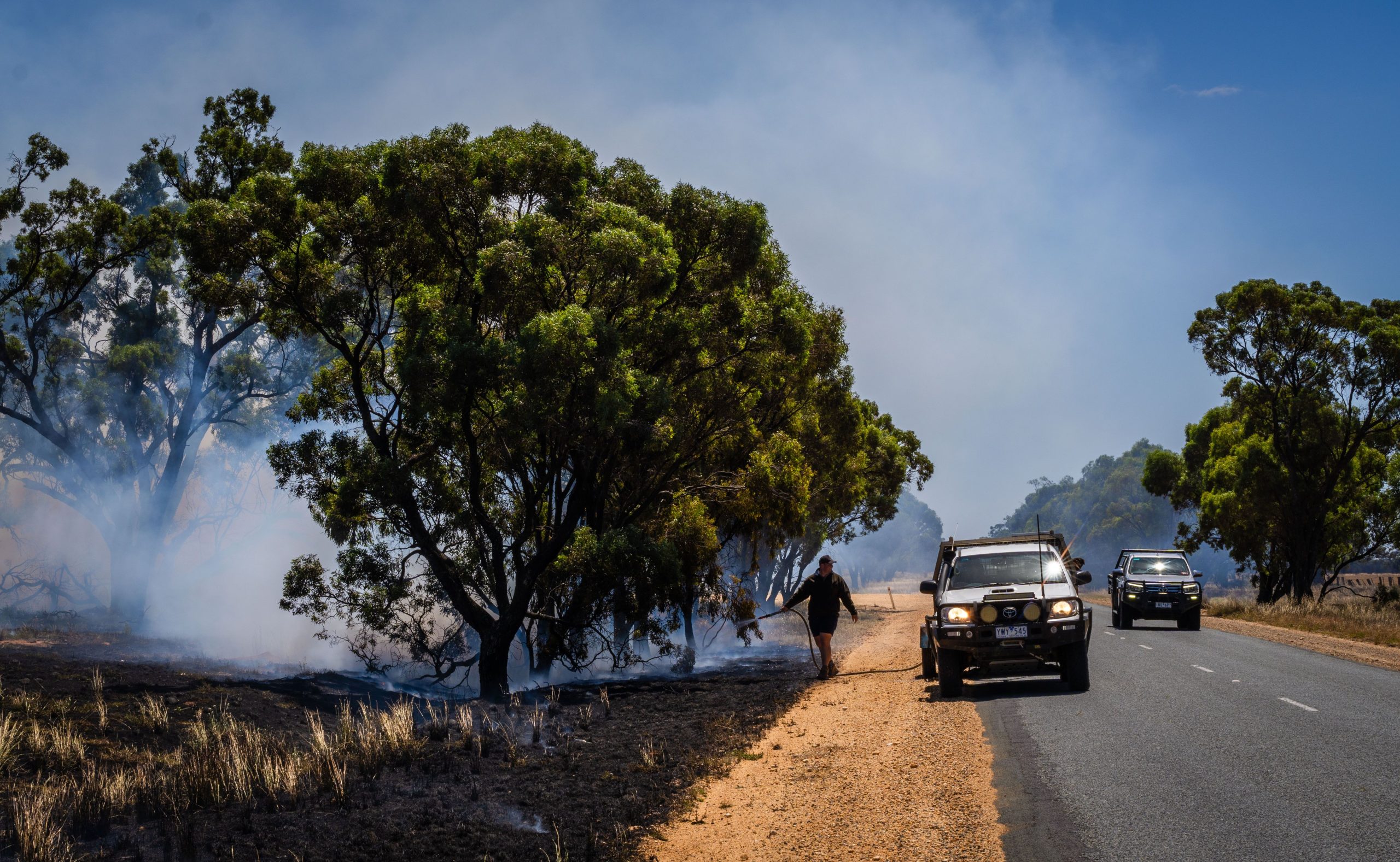
Equity and Recognition for Rural Firefighters in Australia: A Call for Fair Compensation
Australia’s remarkable landscape and climate place significant emphasis on the importance of firefighting services, especially in rural and remote regions. Yet, a longstanding concern persists regarding the compensation—or lack thereof—for volunteer firefighters operating in these areas. Despite the immense skill, bravery, and dedication required to combat devastating wildfires, many rural firefighters do not receive financial remuneration for their critical work. This raises important questions about societal recognition, fairness, and the sustainability of current firefighting models.
The Role and Challenges of Rural Firefighters
Rural firefighters in Australia play an indispensable role in protecting communities, preserving ecosystems, and safeguarding wildlife. Their efforts often involve responding to unpredictable and dangerous fire conditions, requiring advanced training, mental resilience, and physical endurance. The nature of their work demands a high level of skill and bravery, frequently amid challenging logistical circumstances.
However, many of these volunteers undertake their duties without compensation, often balancing firefighting with other employment or personal commitments. While their voluntary contributions are vital, the lack of financial recognition may inadvertently impact overall morale, recruitment, and operational efficiency.
The Case for Paid Roles in Rural Firefighting
Introducing a structured payment system for rural firefighting positions could yield numerous benefits. It would acknowledge the significant expertise and risk undertaken by these individuals, potentially encouraging more community members to participate. This, in turn, could enhance recruitment efforts and create a more sustainable workforce.
Furthermore, providing compensation can lead to increased motivation, productivity, and operational efficiency. With dedicated, remunerated personnel, firefighting efforts could be mobilized more rapidly and effectively, ultimately leading to quicker containment of fires, less property damage, and saving more lives and wildlife.
A Practical and Fair Compensation Model
While it may not be feasible or necessary to pay rural firefighters at a full-time, year-round salary comparable to urban fire services, adopting a reserve-style system could strike an equitable balance. Under such a model, firefighters would receive a rewarding wage when called into action or during periods of heightened risk—similar to military reserves or emergency response teams.
This approach ensures fair recognition of their contributions while maintaining the volunteer spirit that underpins many rural firefighting efforts. It also provides a more reliable and motivated workforce during critical periods of fire danger.
Including the SES in the Conversation
The State Emergency Service (SES), which handles various emergency management tasks across Australia, also operates largely on volunteer bases. Recognizing the crucial role these volunteers play, expanding discussions about compensation and support across all emergency response teams is essential. Providing appropriate remuneration and resources can enhance the overall effectiveness and resilience of Australia’s emergency services network.
Conclusion
Ensuring fair compensation for rural firefighters and emergency volunteers aligns with principles of societal fairness and resource dedication. Recognizing their skills, bravery, and essential service—not through mere gratitude but tangible support—can strengthen community resilience and improve firefighting outcomes across Australia. As wildfires continue to pose significant threats, evolving our approach to emergency personnel compensation is not just fair—it’s a strategic imperative for the safety and well-being of all Australians.