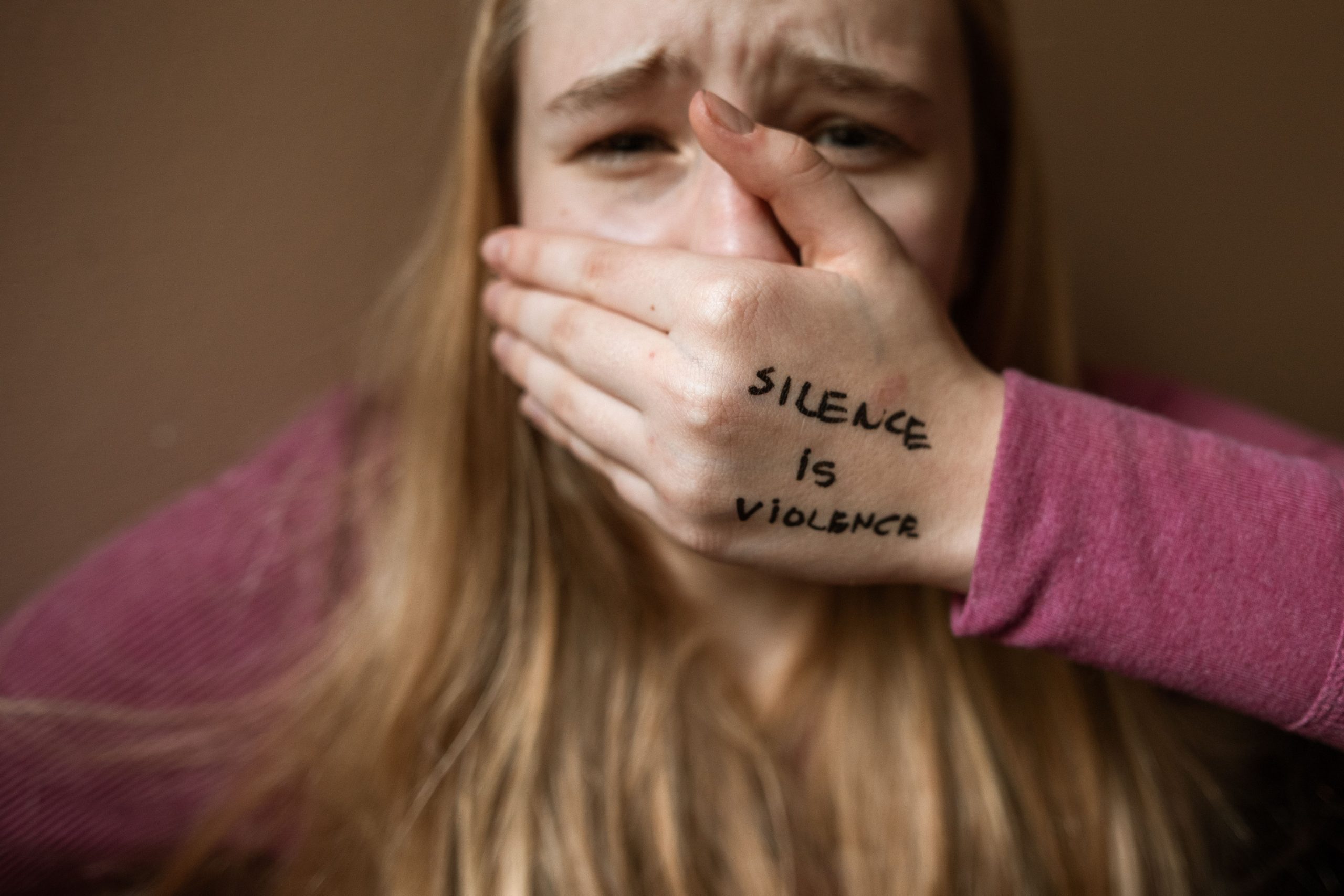
Queensland Domestic Violence Crisis Deepens Amid Significant Funding Reductions
The escalating domestic and family violence (DFV) crisis in Queensland has been compounded by recent government budget decisions, with an alarming decrease in funding allocated for prevention and support services. Despite rising rates of domestic violence-related murders and breaches of protection orders, the state government has implemented a reduction of $38.5 million in DFV prevention funding for the 2026–27 fiscal year, bringing the total to approximately $340.7 million. This decrease reflects a broader trend of austerity in frontline services at a time when the need for support is more critical than ever.
Funding and Staffing Challenges
Budget documents reveal not only a cut in prevention funding but also a decline in staffing levels, with funded full-time equivalent positions decreasing from 93 to 81. Frontline agencies have voiced concerns over surging demand, increasing operational costs, and the growing complexity of cases they manage daily. These pressures threaten to undermine the capacity of support services to respond effectively to individuals experiencing violence and to prevent further tragedies.
Law Enforcement and Legal Responses Under Strain
Recent police data indicate that current legal measures are insufficient in deterring offenders. New initiatives like Police Protection Directions (PPDs), introduced earlier this year to provide immediate safety for victims, have fallen short of expectations, with only 862 issued since January and over 300 breaches recorded. Critics argue that PPDs are too restrictive and not suitable for many domestic violence situations, leading officers to rely on traditional Police Protection Notices (PPNs), which have seen a sharp decrease of 30% in number, even as breaches nearly tripled to over 11,000 incidents in the past five months.
Efforts to implement Temporary Protection Orders (TPOs) have also faced setbacks, with a significant reduction in their issuance—almost 2,000 fewer granted between January and May—raising concerns about the effectiveness of current protective mechanisms. Breach rates remain high, underscoring the persistent gaps in enforcement and compliance.
Data highlights a disturbing trend of increasing violence, with incidents of more brutal and frequent offences. Police workloads have been stretched thin, responding to over 183,000 DFV-related calls in the last financial year alone. Experts warn that offenders display a blatant disregard for legal restrictions, emphasizing the urgent need for more comprehensive strategies that go beyond enforcement.
Calls for Investment in Prevention and Early Intervention
Advocates and sector leaders emphasize that sustainable change requires a significant shift toward preventative measures. The Queensland Domestic and Family Violence Alliance has voiced concern over the limited scope of existing strategies, criticizing high-level planning documents for lacking clear targets, timelines, and actionable commitments. They advocate for increased investment in community-based programs, public education campaigns, and early intervention initiatives to address the root causes of violence and disrupt cycles before they escalate.
Community voices, including those directly impacted by violence, continue to stress the importance of adequate funding. Natalie Hinton, whose daughter Tara Brown was murdered by an ex-partner, condemns the cuts as “disappointing and shocking,” highlighting how resource shortages hinder frontline responses and may exacerbate the crisis.
Impact of Budget Decisions on Vulnerable Populations
Budget analyses also reveal that essential support programs, such as the Housing Connectors initiative—aimed at assisting survivors in accessing safe housing—have not been funded for the upcoming year, risking further destabilization for those fleeing violence. Experts warn that reduced investment not only hampers immediate safety but also has long-term implications, including increased fatalities.
Tragedies and Rising Fatalities
The human toll of neglect and insufficient resources is starkly evident in the rising number of DV-related fatalities. Recent figures show an increase from 21 deaths in 2023-24 to 25 in 2024-25, marking a 19% rise. Notable incidents include multiple murders on the Gold Coast within a short span, including a young mother shot at her home and a suspected multiple-fatality house fire—all occurring amidst ongoing debates about the adequacy of legal protections and support services.
Policy and Community Responses
While government officials acknowledge the challenges and indicate ongoing reviews of existing laws and systems, critics argue that without substantial, sustained investment and clear strategic planning, the cycle of violence will persist. Calls have been made for a comprehensive national campaign, akin to successful public health initiatives, to raise awareness, promote early intervention, and foster community engagement in domestic violence prevention.
Conclusion
The current trajectory of Queensland’s response to domestic and family violence underscores the urgent need for a recalibrated approach—one that prioritizes prevention, ensures adequate resourcing, and delivers real safety and support for those affected. Addressing this complex crisis requires not only legislative action but also sustained community investment and a commitment to transforming systemic responses into effective, compassionate solutions.