Debate Over Face Coverings: Lessons from France and Australia’s Call for Action
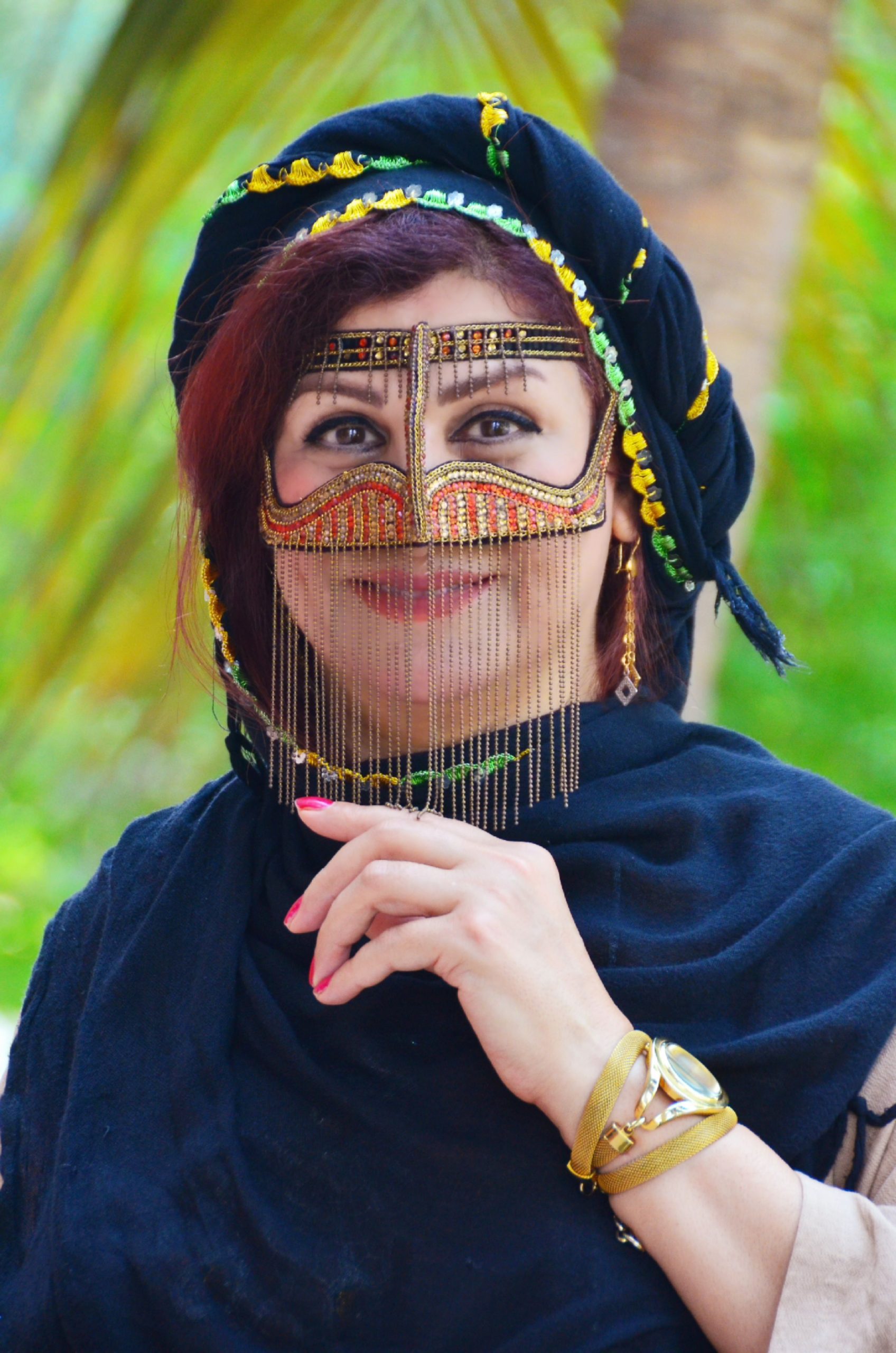
The discussion surrounding face coverings and religious attire in public spaces has garnered considerable attention worldwide. A notable example is France’s ban on full-face coverings, introduced in 2010, which faced both support and controversy. The French legislation specifically targeted full-face veils such as the niqab and burqa, as well as masks and balaclavas in public settings, rather than common headscarves or general religious clothing. This distinction is similar to recent debates in Australia, where political figures have called for a national prohibition on the burqa.
Historical and Cultural Context
France’s ban was rooted in its strong secular republican tradition, where the separation of church and state often makes religious symbolism in public contentious. The law was largely supported across political spectrums and was upheld by the European Court of Human Rights in 2014, which cited the importance of ‘living together’ and public social cohesion.
This approach reflects broader questions about balancing religious freedoms with societal norms and security concerns. In France, the focus was on ensuring public safety and maintaining secular principles in public life, which resonated with a significant portion of the populace.
Religious Guidance and Cultural Considerations
The origins of some Islamic dress codes are often linked to religious texts. For instance, some interpret Surah Al-Ahzab 33:59 as advising women to draw their cloaks over themselves to be recognized as virtuous and to avoid harassment. Such teachings inform personal and communal choices regarding attire, which are deeply rooted in religious beliefs.
Current Debate in Australia
Recently, Australian political figures, including Pauline Hanson, have called for a national ban on the burqa. The proposition has sparked widespread discussion about multiculturalism, religious freedom, security, and social cohesion.
Key Questions for Society
- Should religious attire be restricted in public spaces to promote societal integration?
- How do we balance individual religious rights with community safety and norms?
- What lessons can be learned from France’s experience regarding secular policy and multicultural integration?
Conclusion
The debate over face coverings touches on complex issues of religious freedom, cultural integration, security, and societal values. While policies like France’s ban have been upheld in legal frameworks, the broader implications for religious expression and community cohesion continue to be subjects of ongoing discussion. Countries considering similar measures must carefully weigh these factors to develop balanced and respectful approaches to religious attire in public spaces.
Note: This article aims to present an overview of the issues surrounding face-covering legislation and does not endorse any particular political stance.